

When it comes to tire performance and longevity, many equipment operators focus on tire size alone. However, selecting the correct cold inflation pressure is far more complex than matching a tire diameter to your vehicle specifications. The relationship between load, speed, distance, and inflation pressure determines whether your tires will perform safely and efficiently across construction, earthmoving, industrial, and off-road applications.
Understand That Load and Pressure Work Together
Tire load capacity and inflation pressure are not independent variables. A single tire size can operate at multiple pressure levels depending on how much weight it carries. For example, the same tire model may require 58 psi when carrying 22,700 pounds but jump to 73 psi when loaded to 26,800 pounds. This relationship is why tire manufacturers publish detailed load and inflation tables rather than recommending a single universal pressure. Your tire’s star rating, construction type, and approved rim must all align with your specific application before you determine the correct pressure.
Know Your Actual Per-Tire Load
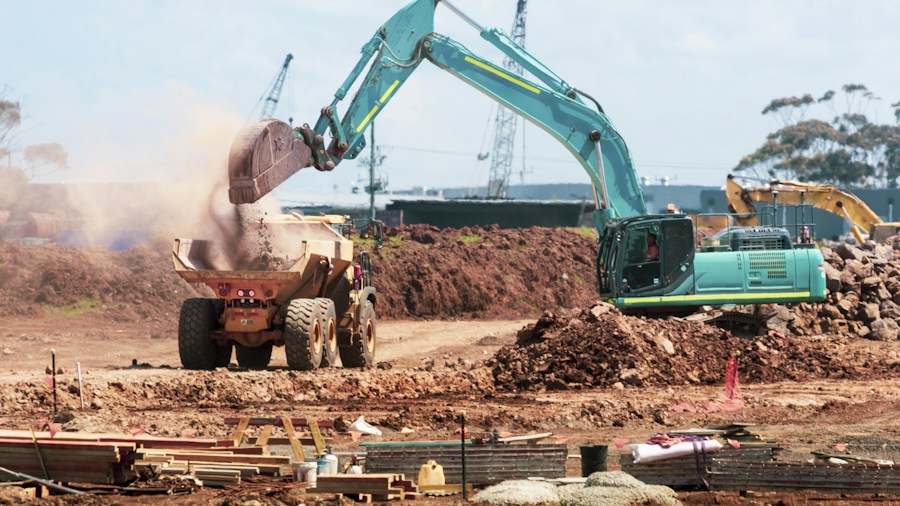
Total machine weight or payload alone will not tell you the correct tire pressure. A loader, dozer, or lift truck distributes weight across its axles in ways that shift throughout the operating cycle. You need to calculate the actual load carried by each individual tire under real working conditions. This step separates guesswork from accurate pressure selection. Dealers and operators should work together to measure or estimate this per-tire load before consulting load and inflation tables. Skipping this step often leads to either under-inflation, which causes excessive heat buildup, or over-inflation, which reduces traction and ride quality.
Match Pressure to Your Specific Duty Cycle
Different equipment operates under different conditions, and these variations demand different tire specifications. A grader working on a jobsite operates differently than a haulage vehicle making repeated long-distance runs. Tire manufacturers publish separate service data tables for off-road slow-speed applications, haulage operations, and grader service. The table you choose determines which pressure recommendations apply to your equipment. A change in speed or travel distance may require a pressure adjustment or even a reevaluation of whether that particular tire is suitable for your new application. Simply adding pressure to make a tire work outside its published limits is not safe or effective.
Account for Speed and Travel Distance Impact
Speed and distance directly influence how your tire heats up and how much stress it experiences. Higher speeds and longer haul distances create significantly greater heat buildup in off-road tires compared to slow-speed, short-distance applications. This is why tire pressure management requires understanding your equipment’s actual operating profile. A machine traveling slowly around a jobsite for short distances may use different pressure recommendations than the same tire size operating on a machine that regularly covers longer haul routes at higher speeds. Consult your tire manufacturer’s tables for your specific speed range and typical travel distance to identify the correct pressure recommendation.
Use Manufacturer Load and Inflation Tables Correctly
Begin by verifying your tire’s exact size, model, construction type, load rating, and approved rim. Next, identify which manufacturer table applies to your equipment type and duty cycle, such as loader, dozer, grader, or haulage service. Then determine your per-tire load under representative working conditions. Once you have this information, locate your load figure in the appropriate table and read across to find the corresponding cold inflation pressure. Never extrapolate or estimate when your application falls outside published parameters. Instead, contact the tire manufacturer for guidance. Proper use of these tables connects tire selection directly to equipment demands and jobsite conditions.
Follow Safe Inflation Procedures
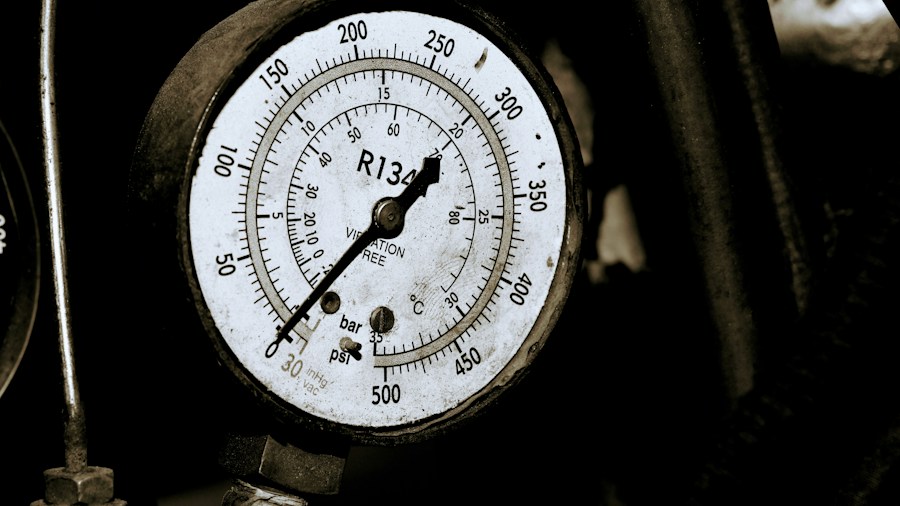
Adjusting tire pressure on large equipment requires following OSHA guidelines and safe servicing practices. Employees who service covered rims and wheels must have access to current load and inflation charts or rim manuals, along with specified safeguards and inflation equipment designed for both single- and multi-piece wheel assemblies. Improper inflation procedures can cause serious injury. Always use manufacturer-approved equipment, follow specified procedures, and ensure all personnel have received proper training before adjusting pressure on any tire assembly. Tire pressure monitoring and maintenance are critical safety responsibilities that should never be taken lightly.
Ask Better Questions During Tire Selection
Before purchasing replacement tires for your equipment, gather detailed information about how the machine operates. How much load is it actually carrying per tire? At what speed does it travel? How long are typical hauls or work sessions? Has the application changed since the original tires were installed? These questions reveal details that tire size alone cannot provide. Tire dealers who understand load and inflation principles can offer better recommendations that match tires to your specific needs, prevent premature failure, and support safer operations across your fleet. Investing time in this conversation upfront saves money and headaches later.











Write Your Review
No reviews yet. Be the first to share your experience!