

Tesla Model Y Ranks Last in Major European Reliability Study
A comprehensive reliability analysis conducted across Germany has raised significant questions about electric vehicle durability, particularly regarding Tesla’s most popular model. The Tesla Model Y finished last among vehicles in the 2- to 3-year-old category in Germany’s largest automotive inspection report, posting an 18.5 percent defect rate. This marks the second consecutive year the Model Y has held this unfortunate position, signaling ongoing quality concerns for one of the world’s best-selling electric vehicles.
The study analyzed approximately 9.7 million mandatory vehicle inspections carried out over a 12-month period and evaluated 200 models, including 26 fully electric vehicles. Results were compiled by ADAC, Germany’s largest automobile club, and represent one of Europe’s most closely watched reliability benchmarks. The findings reveal a troubling trend: the three worst-performing vehicles in this age bracket are all electric, with the Tesla Model 3 placing 107th at 12.5 percent and the Chinese-made MG4 finishing 108th at 16 percent.
What the Results Mean for Potential Buyers
For shoppers considering a Tesla Model Y, these findings warrant careful consideration. While a defect rate of 18.5 percent does not necessarily mean the vehicle will strand you on the road, it does indicate that owners are more likely to encounter issues serious enough to require repairs during routine inspections. The difference between the Model Y and the best-performing electric vehicle in the study, the Mazda MX-30 at just 3 percent, is striking and suggests manufacturing or design quality gaps.
It’s important to understand what this study actually measures. The reliability report documents defects discovered during mandatory inspections, not actual breakdowns. Many issues caught during inspection might never cause a vehicle to fail on the road. Additionally, Tesla’s approach to vehicle maintenance plays a role in these numbers. Unlike traditional automakers, Tesla does not prescribe mandatory service intervals, which means problems that dealers might identify during routine maintenance often surface for the first time at inspection. This creates a testing environment where deferred maintenance issues appear more frequently than they might for conventionally serviced vehicles.
However, this explanation, while relevant to Tesla’s performance, does not account for the MG4’s poor showing, suggesting that some quality challenges are genuine design or manufacturing concerns rather than maintenance-related artifacts.
The Bigger Picture for Electric Vehicles

The study reveals that electric vehicle reliability varies dramatically by manufacturer and model. While some EVs perform excellently, others struggle significantly. The Tesla Roadster and other Tesla models continue to generate considerable interest among enthusiasts, yet reliability remains a concern across the Tesla lineup. The Mazda MX-30, Audi Q8 e-tron, Mini Cooper SE, and Mercedes EQA all demonstrated strong reliability records with defect rates between 3 and 3.5 percent.
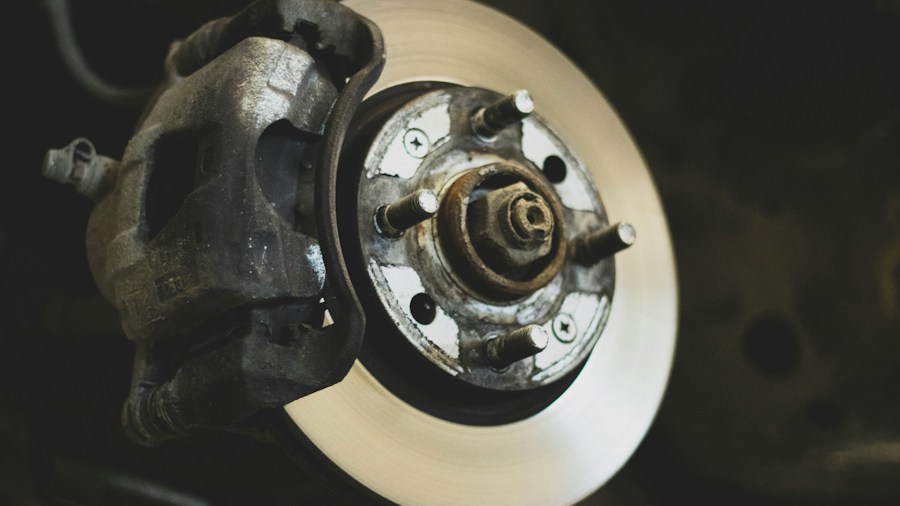
This data underscores a critical point: the problem is not electric powertrains themselves, but rather how individual manufacturers engineer and build their vehicles. Electric cars face specific challenges, particularly regarding brake systems. Because regenerative braking means friction brakes do less work, brake discs can corrode from underuse. Add a heavy battery pack, and both brake and suspension components face additional stress. Lighting systems also emerge as frequent defect sources in electric vehicles.
Factors to Consider Before Buying
If you are evaluating a Tesla Model Y or other electric vehicle, consider these takeaways from this reliability study. First, examine manufacturer track records beyond marketing claims and sticker prices. A lower purchase price loses its appeal if you face substantial repair bills during the first few years of ownership. Second, understand the specific reliability concerns for each model: Tesla owners should budget for potential brake-related repairs, while MG4 buyers face similar brake and lighting issues.
Third, factor in the total cost of ownership, not just the initial investment. Upcoming Tesla models and competitors continue to evolve, so current reliability data may shift as manufacturing improves. Fourth, investigate warranty coverage and repair costs in your region, as these vary significantly and can substantially impact your ownership experience.
The German reliability study provides valuable insights for American buyers, though European conditions and inspection standards may differ from US experience. Nevertheless, the data suggests that due diligence regarding manufacturer quality history is especially important when purchasing an electric vehicle, as the technology remains relatively young and manufacturing expertise continues to develop across the industry.











Write Your Review
No reviews yet. Be the first to share your experience!