

Yokohama Rubber announced strong financial results for the first half of fiscal 2026, posting record sales of $4.03 billion and significantly expanding profit margins across its tire business. The company’s performance reveals important trends about tire pricing, product availability, and what shoppers can expect in the coming months.
Understanding Yokohama’s Growth Story
The Japanese tire manufacturer increased revenue 10.4% year-over-year while pushing business profit up 54.3%, a gain that far outpaced the sales growth. This kind of margin expansion typically signals one of two things: companies are either raising prices or selling more profitable products. For Yokohama, both factors played a role.
Tire sales accounted for over 90% of the company’s total revenue, demonstrating that tires remain the core business. The tire segment specifically generated $3.66 billion in sales and achieved a profit margin of 15.3%, up from 10.8% a year earlier. This improvement matters to you because it shows manufacturers are investing heavily in premium tire development and quality improvements.
The Premium Tire Shift You Should Know About
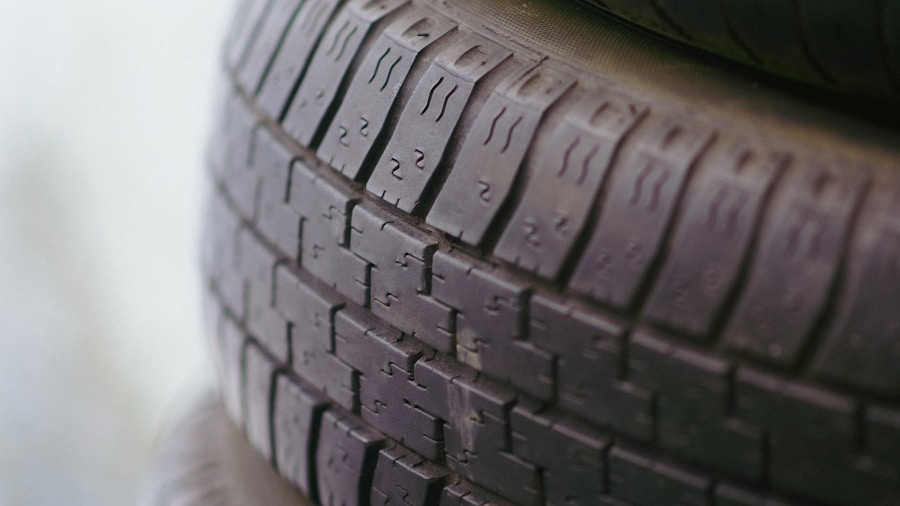
One of the most telling details from Yokohama’s results is the dramatic surge in larger tire sizes. Unit sales of 18-inch-and-larger tires jumped 30% during the period, accounting for 28% of all tire unit sales. This trend reflects strong demand for premium and high-performance tires, which typically cost more than standard options.
Yokohama’s focus on premium product lines, particularly its ADVAN and GEOLANDAR brands, drove much of the profit growth. These performance and all-terrain lines now represent 40% of Yokohama brand unit sales globally. Recent original-equipment wins across luxury and performance vehicles, including models from BMW, Porsche, Mazda and Toyota, will expand the replacement market for these premium tires in future years. If you’re shopping for tires on the used market or as replacements, you may encounter more of these premium options at higher price points.
Regional Demand Patterns Affecting Availability
Yokohama’s results also reveal uneven tire demand across major markets. North American replacement tire volume fell 11% during the first half, while Europe surged 17% and India grew 17%. This imbalance could affect tire availability and pricing in your region.
Despite the volume weakness in North America, tire revenue from that region held relatively steady, meaning the company maintained pricing discipline even as sales units declined. The company projects North American replacement volume will remain soft through year-end, though management expects a recovery compared to current trends. This suggests dealers and retailers may continue to focus on promotions and incentives to move inventory in coming months. When shopping for the best all season tires for SUVs, you may find competitive pricing remains favorable in North America.
Off-Highway and Specialty Tire Growth
Beyond passenger car tires, Yokohama’s off-highway tire division showed exceptional performance, with revenue climbing 14.8% and profit surging 82.5%. The company now operates brands including Mitas and Alliance across agricultural, construction and mining applications. These growth rates suggest Yokohama is aggressively pursuing diversification beyond traditional consumer replacement tires.
This expansion carries indirect benefits for all tire shoppers. As manufacturers invest profits into new production facilities and product development across multiple tire categories, overall quality and innovation accelerate industry-wide. Yokohama is building new manufacturing capacity in Mexico and India specifically designed to serve North American and regional markets more efficiently.
What Higher Profits Mean for Tire Prices

When tire companies report margin expansion, the question naturally arises: are they raising prices? Yokohama’s results suggest price increases did occur, though raw material cost improvements and favorable currency exchange rates also contributed meaningfully to profits. Management indicated it will pursue additional price increases and cost-management strategies to handle inflationary pressures and supply chain uncertainties.
For shoppers, this signals that tire prices will likely remain elevated or increase moderately through the remainder of 2026. If you’ve been considering a tire purchase, locking in pricing sooner rather than later may be prudent. You might also explore current tire rebate opportunities and seasonal promotions to offset rising costs.
Forward-Looking Production Changes
Yokohama’s expanded guidance for full-year sales of $8.33 billion reflects confidence in continued demand despite regional softness. The company raised its annual dividend forecast and is investing heavily in new manufacturing facilities designed to reduce production costs and accelerate delivery to major markets. A new Mexico plant launching in early 2027 will specifically serve North American demand with lower-cost production than previous facilities.
These capital investments signal that Yokohama expects sustained tire demand through the decade, supporting job creation and supply chain stability that ultimately benefit shoppers through consistent product availability and competitive options.











Write Your Review
No reviews yet. Be the first to share your experience!