

Toyota has revealed major engineering details about its new GR GT, a track-focused supercar that marks several firsts for the automaker. Most notably, the GR GT features an all-aluminum chassis, a manufacturing milestone that signals Toyota’s ambition to build a serious performance vehicle for dedicated enthusiasts.
Gazoo Racing Takes Center Stage
The GR GT represents a significant departure from Toyota’s previous halo vehicle, the Lexus LFA. Unlike the LFA, which was designed as an artistic masterpiece with a legendary V-10 engine, the GR GT strips away luxury styling and focuses purely on track performance. The car carries no Toyota badges anywhere on its body, marketed exclusively under the Gazoo Racing brand. This branding shift reflects Toyota’s intent to position the GR GT as a serious race car rather than a street-legal collectible.
The philosophy behind the GR GT differs fundamentally from the LFA. While the LFA was built to evoke emotion through its design and sound, the GR GT prioritizes function over form. Its angular, purposeful shape looks less like sculpture and more like an instrument engineered for the track. This utilitarian approach carries its own appeal for drivers who care more about lap times than artistry.
Advanced Aluminum Casting Technology
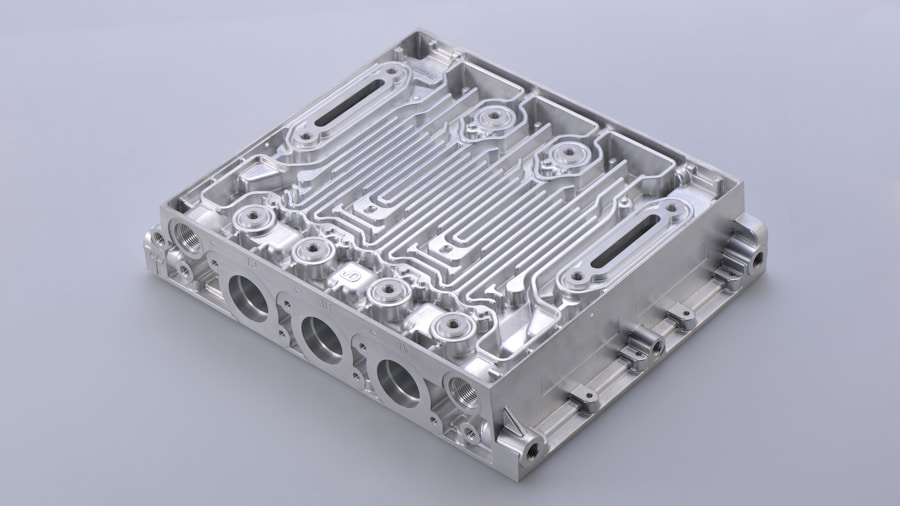
The chassis construction showcases Toyota’s mastery of casting techniques. The structure uses nine large aluminum castings welded together with aluminum tubing and extrusions. According to project leadership, these castings represent the first use of this approach in any Toyota product. The company applied expertise from decades of engine casting to create chassis components with precision that rivals aerospace manufacturing standards.
Creating these aluminum castings required incredible precision during the low-pressure casting process. Molten aluminum must flow through narrow passages in sand molds without defects, a challenge that separates advanced manufacturers from the rest. Once cast, the pieces are machined to accept welded aluminum beams and extrusions that complete the chassis structure.
Built to Survive the Track
Toyota learned valuable lessons from the LFA experience. The LFA’s carbon-fiber body, while beautiful and light, created a major problem: it cannot be repaired if damaged. A single collision at track day could total the car, making owners hesitant to push their vehicles to the limit. Toyota is taking a different approach with the GR GT. The company is developing repair procedures to ensure the aluminum chassis can be fixed after damage. This philosophy signals that the GR GT is intended to be driven hard, repeatedly, without fear of catastrophic financial loss from track incidents.
The decision to use aluminum over carbon fiber also has practical benefits. Aluminum construction is more cost-effective and allows Toyota to produce limited quantities without astronomical pricing. The GR GT will be limited to between 200 and 250 units globally, with the exact North American allocation still being determined.
Engine and Drivetrain Specs
The GR GT is powered by a twin-turbo 4.0-liter V-8 engine promising at least 641 horsepower and 627 pound-feet of torque, though the final figures haven’t been announced. The engine uses a dry-sump oiling system that positions it extremely low in the chassis, critical for achieving the lowest possible center of gravity.
The transmission is an eight-speed automatic with a rear-mounted transaxle configuration. Unlike traditional dual-clutch designs, the GR GT employs a clutched hybrid motor. The differential features straight-cut gears positioned just aft of the driver, providing mechanical noise characteristic of high-performance race cars. This setup allows the GR GT to maintain a compact wheelbase while delivering maximum grip and responsiveness.
What This Means for Shoppers
If you’re among the select few who might own a GR GT, expect exclusivity and personalized service. Toyota’s Senior Vice President of Automotive Operations stated he will personally speak with each potential buyer to ensure the car reaches enthusiasts committed to using it as intended. This isn’t a showpiece for a garage; it’s a tool for serious track driving.
Interested buyers should understand that ownership requires track-driving skills. Toyota expects these cars to be driven at their limits on race circuits. You should also be prepared for limited availability and be ready to discuss your track intentions with Toyota directly. The GR GT represents a new direction for the brand, one focused on engineering excellence and authentic performance rather than brand prestige.
For those interested in track-focused vehicles or performance engineering innovations, the GR GT demonstrates how traditional manufacturers are competing with boutique supercar builders through advanced materials and purposeful design. While pricing and final production numbers remain undisclosed, expect this to be one of the most significant performance vehicles launched by a major automaker in recent years.











Write Your Review
No reviews yet. Be the first to share your experience!