

The solar energy landscape is shifting in significant ways, and if you’re a Tesla owner considering rooftop solar or battery storage, recent industry moves may affect your options and pricing. Sunrun, America’s largest residential solar installer, has announced a major strategic pivot away from affiliate-based sales channels toward building its own direct sales force. Here’s what this means for you as a consumer.
Why Sunrun Is Making This Change
Sunrun has maintained its position as the nation’s leading rooftop solar provider for years, especially after Tesla’s solar division contracted substantially following the company’s acquisition of SolarCity. However, the company recently reported that its reliance on third-party affiliate partners has become less effective and more risky than previously anticipated.
During the second quarter of 2026, Sunrun expanded its direct sales team by adding 1,500 new representatives. This move follows a major blow to the affiliate channel: Freedom Forever, one of Sunrun’s biggest partner companies, filed for Chapter 11 bankruptcy protection earlier in the year. The situation highlighted a critical vulnerability in Sunrun’s business model. Depending on affiliate partners means less control over customer relationships and exposure to their financial instability.
Direct sales offers Sunrun higher profit margins per installation and, crucially, direct relationships with homeowners. While affiliate channels require little overhead since partners handle their own payroll and operations, converting interested customers into paying clients through intermediaries has proven increasingly difficult. When affiliate partners struggle or disappear, Sunrun loses access to their customer pipeline entirely.
What This Means for Your Solar Purchase
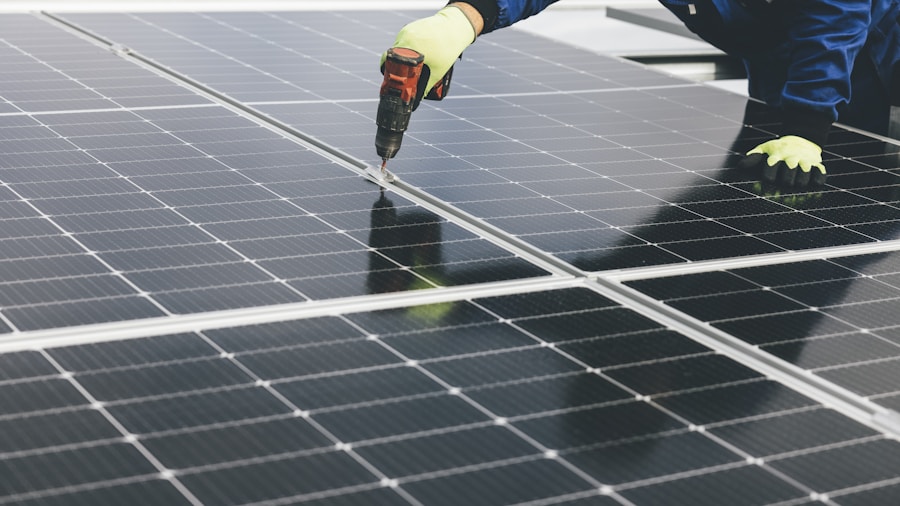
If you’ve been shopping for home solar or considering pairing an EV charging system with rooftop panels, Sunrun’s shift could affect your experience. The company is investing heavily in employee-based sales teams, which typically provide more personalized consultations and faster decision-making than affiliate channels. You’re likely to interact directly with company representatives who understand Sunrun’s full product lineup and can answer questions without middlemen.
However, the company has adjusted its financial guidance downward for 2026, citing the costs of onboarding new sales staff and delayed productivity ramps. This growing pain period may temporarily impact availability or response times in some markets. The silver lining: as Tesla continues to step back from residential solar, Sunrun faces reduced competition and increased market opportunity, which could eventually translate into better pricing and service as the company stabilizes its new sales structure.
Energy Storage Is Becoming Standard
One bright spot in Sunrun’s recent performance is the surge in customers adding battery storage to their solar systems. In the second quarter, 74% of new Sunrun installations included energy storage components, up from 70% in the prior year. This trend reflects growing consumer interest in home energy independence, backup power during outages, and maximizing the value of renewable energy investments.
For Tesla owners specifically, this is important context. As electric vehicles become more prevalent and home charging becomes standard, pairing solar generation with on-site battery storage creates an integrated home energy system. You can charge your EV using stored solar power, reduce grid dependence, and maximize renewable energy self-consumption.
Market Headwinds and What to Expect
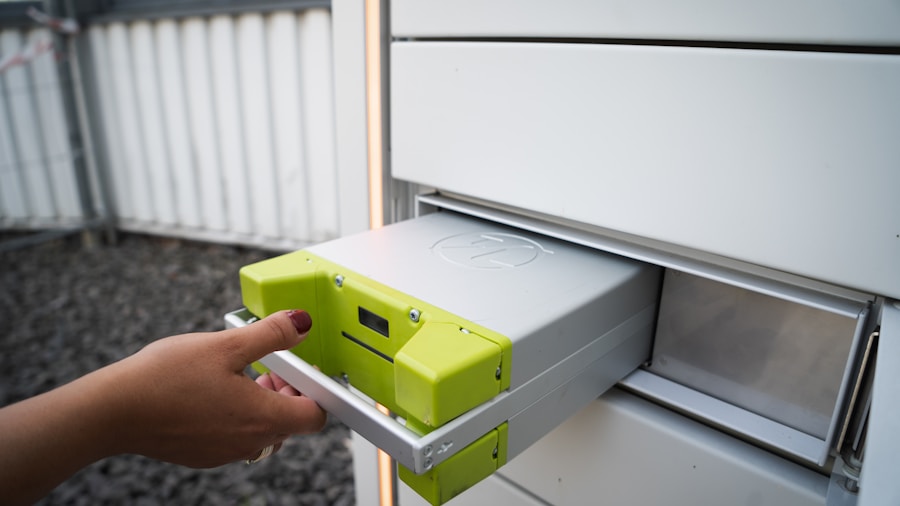
While Sunrun’s total revenue reached $870 million in the latest quarter, representing 53% year-over-year growth, the company installed 19,793 subscriber systems, which declined 31% compared to the same quarter last year. This pullback reflects the transition costs and uncertainty inherent in shifting from affiliate to direct sales models. Customer acquisition is temporarily slower, but once new sales representatives reach full productivity, the company expects to accelerate growth again.
For shoppers, this transition period creates both challenges and opportunities. You may encounter longer sales cycles or less aggressive promotional offers as Sunrun restructures. Conversely, the shift to direct sales could eventually lead to better customer service, more transparent pricing, and clearer warranty and support processes since you’ll be dealing with Sunrun employees rather than independent affiliate companies.
The Bottom Line for Consumers
Sunrun’s move toward direct sales is fundamentally about stability, control, and long-term customer relationships. For Tesla owners and other EV buyers considering home solar and storage, this reshuffling in the residential solar market creates a temporary period of adjustment but positions Sunrun for more direct engagement with homeowners. Be prepared for possibly longer sales processes in the near term, but expect improved service and clearer communication as the company matures its new sales infrastructure. The broader shift toward sustainable home energy systems is accelerating, and Sunrun’s evolution reflects how seriously the industry is taking customer needs and operational efficiency.










Write Your Review
No reviews yet. Be the first to share your experience!