

Tesla Exits Solar Roof Tile Business
Tesla has officially discontinued its Solar Roof tile product, marking the end of an ambitious decade-long venture into integrated roofing technology. The company has informed certified installers that solar roof tiles are no longer available for order and will focus exclusively on conventional solar panels moving forward. The shift became official when Tesla redirected its Solar Roof website directly to its solar panels page and removed all references to the tile product from its energy division navigation menu.
This move represents a quiet but significant retreat from one of Tesla’s most heavily promoted sustainability products. The company stopped reporting Solar Roof deployment figures in quarterly reports in early 2024, and the product had already faded from most marketing materials. Internally, Tesla concluded that the Solar Roof simply was not economically viable to manufacture and install at scale.
The Promise vs. Reality Gap
When the Solar Roof launched in 2016, it came with compelling promises. Tesla marketed it as a cost-effective alternative that would cost less than buying a conventional roof plus traditional solar panels separately, with initial pricing quoted around 22 dollars per square foot. That promise helped justify Tesla’s 2.6 billion dollar acquisition of SolarCity, a solar installation company.
Reality diverged sharply from the vision. Installed prices ballooned far beyond the original estimates. In 2021, Tesla increased Solar Roof pricing dramatically, sometimes after customers had already signed contracts. The price increase became severe enough to trigger a class-action lawsuit, which Tesla settled for 6 million dollars in 2023. One customer’s contracted price reportedly jumped from approximately 72,000 dollars to roughly 146,000 dollars before installation.
Production Goals Never Materialized
Tesla’s production ambitions proved unrealistic from the start. The company repeatedly promised it would manufacture and install 1,000 Solar Roofs per week, with targets set for the end of 2019 and the first half of 2020. Even when Tesla claimed to reach 1,000 weekly roofs in 2020, actual installations fell dramatically short.
At peak deployment, Tesla was installing only 21 to 32 Solar Roofs weekly, representing more than 95 percent below the stated goal. Across approximately seven years, the company installed roughly 3,000 Solar Roof systems total in the United States. These figures made clear that the product would never achieve the scale necessary to become economically viable.
What Shoppers Should Know

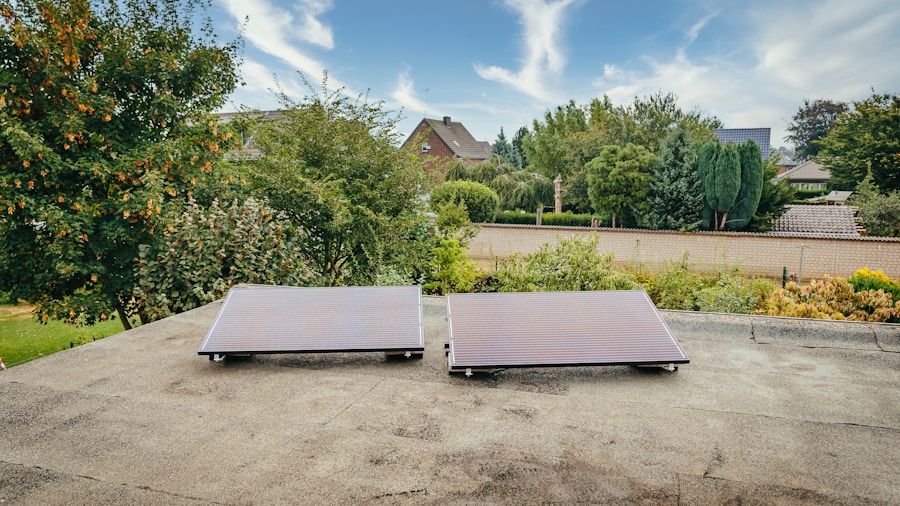
The discontinuation of Solar Roof tiles does not mean going solar is a bad investment. In fact, conventional solar technology remains a sound choice for homeowners looking to reduce energy costs. Tesla continues to offer traditional rooftop solar panels paired with Powerwall battery systems, and the company plans to expand U.S. solar panel manufacturing.
For consumers considering solar, the discontinuation of one manufacturer’s tile product does not eliminate options. Several competing solar shingle manufacturers now offer alternative integrated roofing solutions. However, if you were considering the Tesla Solar Roof specifically, you should pivot toward their standard solar panel offerings or explore other installers.
The core challenge that doomed the Solar Roof was engineering and labor complexity. Manufacturing tiles that function as both durable roofing and efficient energy-producing assets proved significantly more difficult than originally anticipated. The tiles also had shading limitations and required specialized installation expertise, making costs prohibitive except for very high-end residential properties where owners were less price-sensitive.
The Broader Picture
This discontinuation reflects a pattern worth noting for Tesla consumers. The company has a history of announcing products years before they achieve full commercial viability, generating significant hype before scaling back promises. Similar challenges have emerged with other Tesla initiatives that promised revolutionary capabilities but faced practical implementation barriers.
Tesla’s pivot away from Solar Roof tiles does not diminish the solar industry’s long-term potential. Homeowners considering renewable energy should evaluate their specific roof type, local electricity rates, and climate conditions. Multiple installers and technologies exist to meet different needs and budgets. The lesson from Solar Roof is simply that innovative products require realistic timelines and accurate cost projections to succeed.
If solar energy aligns with your home’s needs and economics, exploring options with established installers and comparing quotes across multiple providers remains a smart approach to reducing long-term energy expenses.











Write Your Review
No reviews yet. Be the first to share your experience!