

China Mandates Massive Recall Over Door Handle Safety Flaws
Chinese regulators have ordered a sweeping recall affecting 4.3 million vehicles after growing safety concerns about electric door handles. Tesla accounts for 3 million of those vehicles, making this one of the largest recalls in the company’s history. The action comes in response to documented cases where passengers and emergency responders struggled to exit vehicles during fires and collisions, raising serious questions about the design choices automakers including Tesla have made.
The recall order involves nine automakers total, including domestic Chinese manufacturers Geely, Dongfeng, Chery, and others. However, Tesla’s massive share of the recall underscores widespread concerns about how the company has engineered its door systems. The Chinese State Administration of Market Regulation cited the need to address dangers posed by retractable electric door handles, which depend on vehicle power systems that may fail during emergencies.
Understanding the Door Handle Design Problem
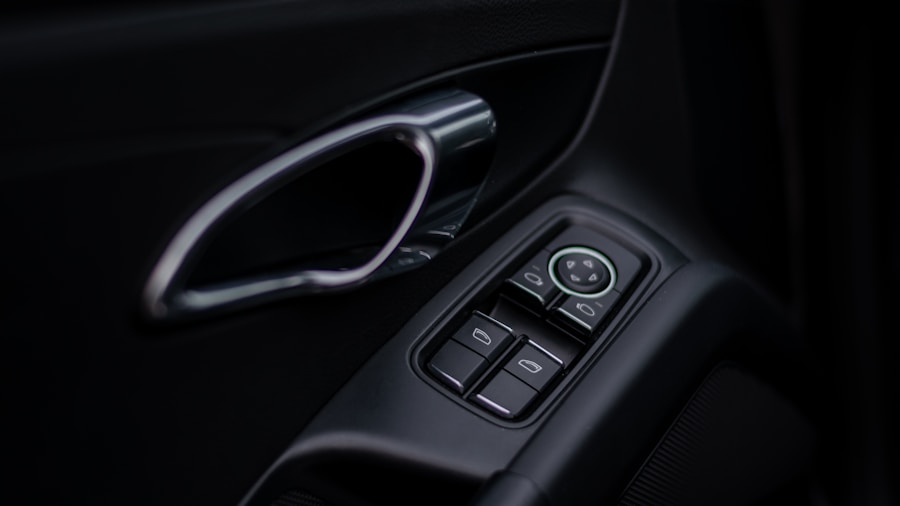
Electric door handles represent a departure from traditional mechanical designs, first popularized by custom car enthusiasts decades ago but embraced by Tesla when introducing the Model S. The innovation caught on globally, with manufacturers in Europe and China adopting similar systems. However, these handles carry an inherent safety vulnerability: they rely on the vehicle’s 12-volt battery, which powers interior lighting and starting systems.
When a collision occurs, that 12-volt power supply can be interrupted, potentially trapping occupants inside. Tesla’s design compounds this risk through an additional flaw. The vehicle’s windows, when fully raised, can press against the roof frame and weatherstripping in a way that prevents doors from opening unless the windows are partially lowered first. Without a functioning 12-volt system, the window mechanism won’t operate, leaving passengers without an exit route.
The rear door situation presents an even more troubling scenario. While front-door passengers can access mechanical releases built into the armrests, rear passengers have no equivalent. Instead, they must locate a black rubber mat at the bottom of the door inside a storage compartment, remove a black plastic cover, and find a hidden mechanical release lever. In an emergency or if occupants are unaware of this feature, escape becomes extremely difficult or impossible.
What the Recall Requires
Under the regulator’s order, Tesla must take two separate actions. First, the company will add interior warning labels explaining the door release procedures, a measure that cannot be deployed through over-the-air updates and requires physical modification of vehicles. Second, Tesla will release a software update that automatically lowers all windows if the vehicle detects a collision.
These measures, while helpful, address only part of the underlying vulnerability. The automatic window-lowering feature depends on the 12-volt system remaining functional after impact, a condition that cannot be guaranteed. Should that power supply fail, occupants still face potential entrapment, making the recall response incomplete from a safety standpoint.
A separate recall affecting 2.74 million Tesla vehicles in China addresses the driver monitoring system. Tesla’s current setup uses a steering wheel torque sensor to detect whether the driver is actively controlling the vehicle, supplemented by limited camera monitoring. The updated software will use interior cameras in Model 3 and Model Y vehicles to track driver eye movements and alertness in real time. This change responds to reports of drivers defeating the system by placing a doll’s head in front of the camera.
Broader Safety Implications for US Buyers

While this recall is mandated by Chinese regulators, it raises questions for American consumers. The safety issues identified are inherent to Tesla’s vehicle design, not regional differences. As Tesla continues to expand its market presence globally, design flaws discovered in one market often apply elsewhere.
The National Highway Traffic Safety Administration in the United States has begun drafting new regulations addressing electric door handle safety, signaling that American authorities are taking these concerns seriously. Several lawsuits filed against Tesla in the US claim that faulty door mechanisms contributed to deaths when occupants could not exit vehicles following accidents.
What Owners Should Do Now
If you own a Tesla, particularly a model with rear passengers, safety experts recommend installing aftermarket emergency pull straps for rear doors. These mechanical devices provide an alternative escape route that doesn’t depend on electronic systems. Familiarizing all occupants with the hidden mechanical release location is also prudent.
The debate over electric door handles versus traditional designs is far from settled. What began as an aesthetic choice designed to streamline vehicle appearance has evolved into a documented safety risk that regulators worldwide are now addressing. As automakers continue introducing new models and technologies, the balance between innovation and passenger safety remains critical to evaluate.
For shoppers considering electric vehicles, understanding how your chosen model handles emergency egress should factor into the decision. Modern vehicles offer numerous ways to exit safely, and demanding that manufacturers prioritize mechanical backup systems alongside electronic features protects occupants when technology fails.











Write Your Review
No reviews yet. Be the first to share your experience!