

What Happened
Chinese regulators announced a major safety recall affecting nearly three million Tesla vehicles in the country. The State Administration for Market Regulation identified a critical issue across multiple automaker models: emergency door release latches are not sufficiently visible to occupants and emergency responders. Tesla accounts for approximately 2.98 million of the 7 million affected vehicles globally, with the majority being Model Y units and a significant portion of Model 3s.
The problem became apparent after investigations revealed that accident victims may not be aware that emergency mechanical latches exist on their vehicles. In severe crashes that disable a vehicle’s low-voltage electrical system, occupants could be trapped if they rely solely on electronic door controls. Emergency responders also faced difficulties gaining entry to disabled vehicles during rescue operations.
Tesla’s Solution and Timeline
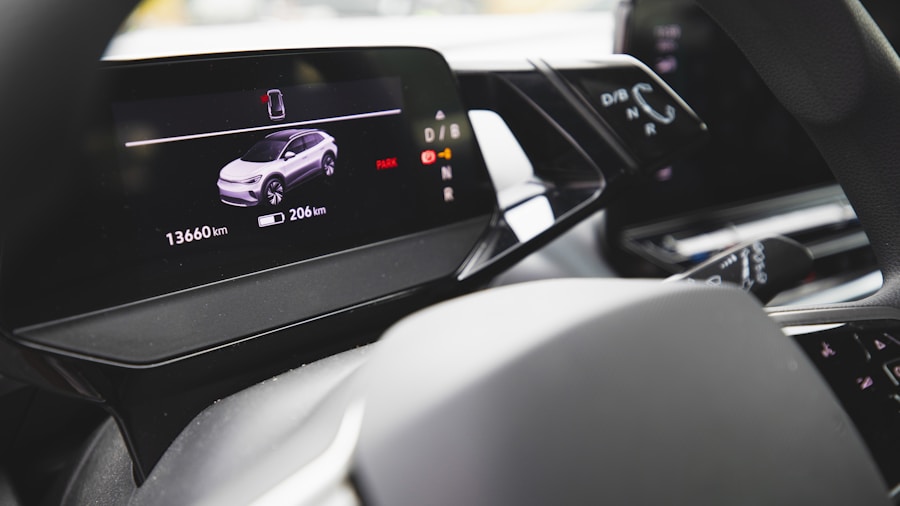
Tesla will address the issue through a two-part fix at no cost to owners. The company will install warning labels and stickers directly on the emergency latches to increase visibility and awareness. Additionally, Tesla will deploy an over-the-air software update that adds a post-crash automatic window-lowering feature. This combination helps ensure occupants can identify the mechanical release mechanism and have an alternative exit route if the vehicle loses electrical power.
Owners should expect notification from Tesla through official channels regarding the recall process. The timing for the software update rollout has not been specified, but over-the-air updates typically deploy across the fleet over several weeks.
Broader Regulatory Changes Ahead
This recall is part of a larger regulatory shift in China. Beginning January 1, 2027, all new vehicle models will be required to include mechanical door release mechanisms as a mandatory national standard. This requirement will effectively eliminate purely electronic door handles from future models. Vehicles already approved for sale receive a two-year transition period, extending the compliance deadline to January 2029.
The new regulation reflects growing safety concerns about electronic-only door systems in situations where power is lost. Mechanical backups are now considered essential safety equipment rather than optional features.
What This Means for Tesla Owners
If you own a Model 3 or Model Y purchased in China, you should expect communication from Tesla regarding your vehicle’s inspection or label installation appointment. The process is straightforward and free. No additional action is required on your part beyond scheduling the service when notified.
For current owners, this recall actually improves vehicle safety by making emergency exits clearer. The automatic window-lowering feature provides an additional escape route in severe accidents. Taking a few minutes to locate and understand your vehicle’s mechanical emergency latch now is a practical safety step, regardless of the recall status.
What This Means for Prospective Buyers
Consumers considering Tesla purchases in China should recognize that the company is proactively addressing the issue. The combination of visible warning labels and software improvements demonstrates a commitment to owner safety. Model 3 and Model Y remain popular choices, and this recall resolution should not deter purchases if you were considering one.
If you’re shopping for Tesla accessories to complement your vehicle, aftermarket floor mats and interior protection products remain valuable investments for long-term vehicle maintenance and cleanliness. Quality accessories can extend your vehicle’s condition while you own it.
Broader Industry Impact
The recall is not unique to Tesla. Multiple Chinese and international automakers are addressing the same emergency latch visibility issue under the same regulatory action. This indicates an industry-wide acknowledgment that electronic door systems require mechanical backups and clear labeling.
As regulators worldwide tighten requirements around door release mechanisms, other markets may follow China’s lead. The January 2027 deadline for new models suggests that future vehicles across all brands will feature more prominent emergency exits and redundant systems. This represents a positive shift toward stronger baseline safety standards in automotive design.
Understanding these regulatory trends can help buyers make informed decisions about vehicle features and safety systems. As Tesla expands its product lineup globally, safety compliance continues to be a priority across all models and regions.









Write Your Review
No reviews yet. Be the first to share your experience!