

Honda has taken an unconventional approach to launching its first serious full-size electric motorcycle in Australia, and the decision is shaking up expectations for how consumers might purchase high-end EVs on two wheels.
The Honda WN7 Launch: Subscription Model Instead of Purchase
Only 50 Honda WN7 units are arriving in Australia initially, reserved exclusively for existing Honda customers. Here’s the critical part for shoppers considering this bike: Honda isn’t selling them outright. Instead, the company is partnering with local subscription service Carbar to offer the WN7 on a monthly lease basis at 400 Australian dollars, roughly 260 USD monthly. The package includes registration and insurance, with no long-term contract required. Riders can cancel or swap bikes with just two weeks’ notice.
This approach marks a significant departure from traditional motorcycle sales. While the subscription model removes the burden of a massive upfront purchase, it also means you’re paying for access to the machine rather than building equity in ownership. Honda describes this Australian rollout as a controlled market test for electric motorcycles in the region.
Why the Subscription Strategy Matters for Riders
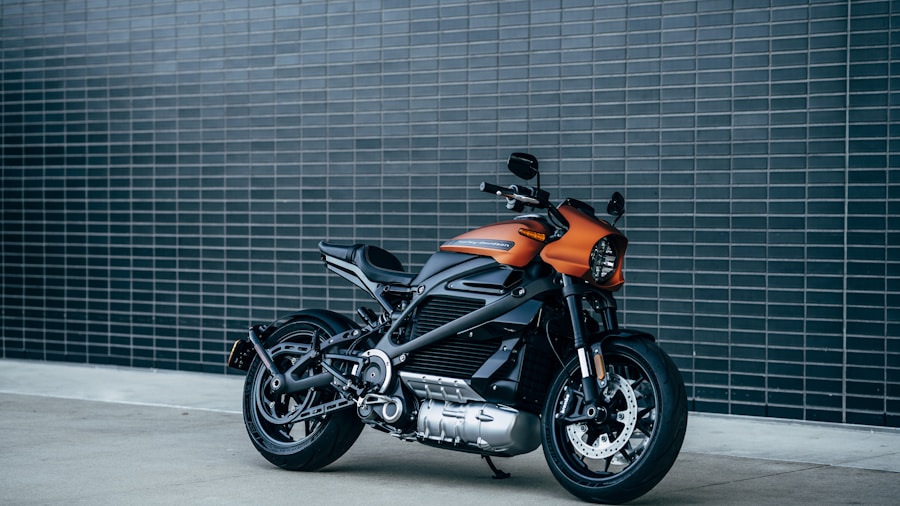
The subscription model actually addresses genuine concerns that have plagued electric motorcycle adoption. Battery degradation, unpredictable depreciation values, and uncertainty about whether today’s EV technology will become obsolete are real worries for potential buyers considering a five-figure investment. Some countries have tackled EV motorcycle affordability through subsidies and incentives, but Honda is trying a completely different angle here.
By offering the WN7 through subscription, Honda transfers the risk of battery longevity and technological obsolescence back to the manufacturer. Riders avoid the possibility of owning an electric motorcycle that depreciates faster than expected or becomes outdated as battery tech improves. For risk-averse consumers hesitant about committing thousands of dollars to unproven EV motorcycle technology, this arrangement could feel less intimidating than a traditional purchase.
The Specification and Real World Performance
The WN7 itself is no lightweight in the EV motorcycle category. The bike features a 9.3-kilowatt-hour lithium-ion battery paired with a liquid-cooled electric motor producing approximately 74 pound-feet of torque. Honda rates its performance as comparable to mid-sized conventional motorcycles. The machine weighs roughly 478 pounds and rolls on standard 17-inch wheels, making it substantially more capable than earlier small-displacement electric bikes.
Range estimates sit at approximately 95 miles per charge, though real-world numbers will vary based on riding style, terrain, and conditions. The WN7 includes regenerative braking, a belt-driven final drive, and modern electronics expected on contemporary motorcycles. This is a legitimate motorcycle offering serious capability, not a scaled-up scooter masquerading as a bike. Riders operating more powerful machines have learned hard lessons about preparation and safety.
The Australia-Only Experiment and What It Means
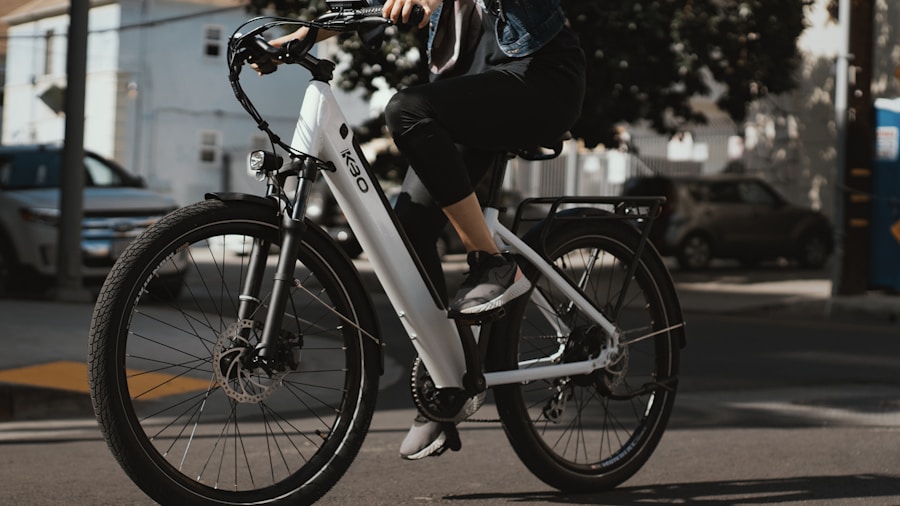
Australia currently represents the only market outside Europe accepting WN7 orders, making this subscription program a uniquely regional test. Honda Australia explicitly stated the subscription arrangement serves to gauge market reception for electric motorcycles in the country. With only 50 bikes allocated, this is not a nationwide offensive but rather Honda cautiously testing Australian waters before committing larger resources.
The contrast with other markets is telling. In the United Kingdom, the WN7 carries a conventional purchase price of approximately 12,999 pounds sterling (around 16,500 USD) with standard financing options available. This means Australian buyers face an entirely different customer experience than their European counterparts for the exact same machine.
What Shoppers Should Decide Now
If you’re an existing Honda customer in Australia with interest in electric motorcycles, this subscription option presents a low-commitment entry point into the technology. The flexibility to cancel or change bikes on relatively short notice eliminates long-term financial risk. However, if building ownership equity or having a personal machine you can modify and customize matters to you, the subscription model will feel frustrating.
Understanding motorcycle operation and safety practices remains essential regardless of power source. Electric or conventional, riders need proper training and protective equipment.
This Australian experiment will likely influence how manufacturers approach EV motorcycle availability in North America and other markets moving forward. Whether subscription becomes standard or remains a curiosity depends largely on how this trial performs.




Write Your Review
No reviews yet. Be the first to share your experience!