

If you drive a newer vehicle, you may have noticed your mechanic mentioning brake fluid specifications that sound unfamiliar. The reason is straightforward: modern cars demand different brake fluid performance than vehicles from two decades ago. Understanding this shift can help you make smarter decisions about maintenance and keep your vehicle’s safety systems working as intended.
Why Newer Vehicles Need Different Brake Fluid
Today’s brake systems are far more sophisticated than their predecessors. Modern vehicles pack advanced driver-assistance systems including anti-lock braking, electronic stability control, traction control, and collision mitigation braking into compact hydraulic units. These systems work continuously, not just during emergency stops. Your car may be making dozens of small brake adjustments every time you drive, often without you noticing.
To support this level of precision, engineers designed narrower internal passages and faster-acting valves within brake control units. Standard brake fluid simply cannot move quickly enough through these tight tolerances. Lower-viscosity brake fluid solves this problem by flowing more readily through the system, even in cold temperatures. This faster movement allows hydraulic pressure to build and release in milliseconds, giving your safety systems the responsiveness modern driving demands.
Think of it this way: if your brake system were a network of highways, lower-viscosity fluid is the vehicle that can navigate tight corners and quick merges without slowing down.
How This Affects Your Braking Performance
The shift to lower-viscosity fluid directly impacts how your vehicle responds during real-world driving. Adaptive cruise control systems rely on rapid pressure changes to slow your car smoothly when the vehicle ahead brakes. Automatic emergency braking systems must react instantly when sensors detect an imminent collision. Electronic stability control constantly fine-tunes brake pressure at individual wheels to prevent skids on wet or slippery surfaces.
All these systems depend on hydraulic fluid that moves quickly and predictably. When you use the incorrect fluid specification, you’re essentially asking your safety systems to work with tools they weren’t designed for. The result is slower response times and potentially reduced effectiveness of the very features designed to protect you and your passengers.
Beyond responsiveness, brake fluid quality matters tremendously. Moisture contamination degrades brake fluid over time, increasing its viscosity, lowering its boiling point, and accelerating corrosion inside the hydraulic system. A system that cannot build pressure quickly is a system that cannot brake reliably. This is why regular brake fluid service intervals matter so much more today than they did in the past.
What You Should Do About It
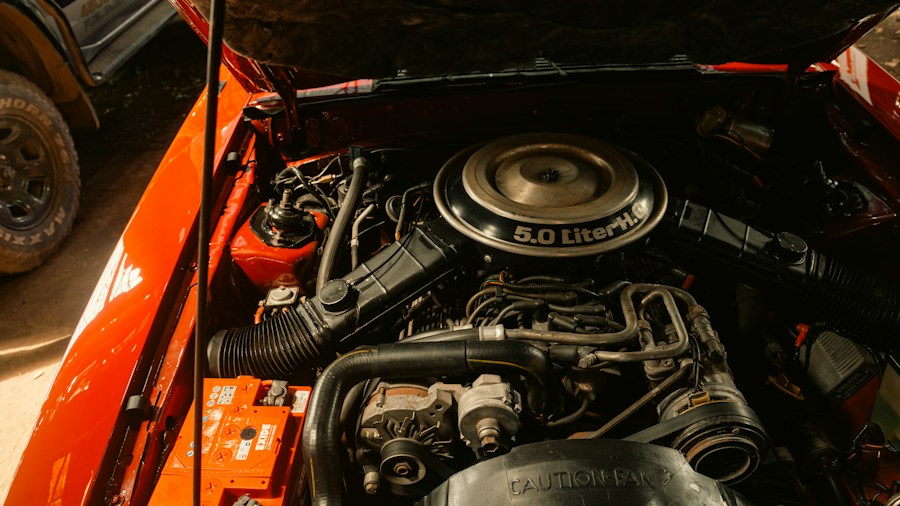
The path forward is simple but important: always use the exact brake fluid specification your vehicle manufacturer recommends. That specification appears in your owner’s manual and on a label inside your engine compartment. When you take your car in for service, ensure your technician uses that precise specification and follows the manufacturer’s service intervals for fluid replacement.
If you drive an older vehicle, you likely don’t need to worry about low-viscosity fluid. But if your car was built within the last ten years, odds are good your brake system relies on modern fluid specifications. Don’t assume your technician knows your vehicle’s requirements: always verify the fluid type being used.
Industry experts who have spent decades working with brake systems understand this evolution well. Long-established independent shops often serve as trusted advisors precisely because they have watched these changes unfold over decades, helping shoppers navigate technological shifts.
Regular brake fluid inspection should become part of your routine vehicle maintenance conversation. If your brake fluid has absorbed moisture or become contaminated, it loses its ability to support modern safety systems regardless of its viscosity rating. A simple fluid check costs nothing and can prevent expensive hydraulic system damage down the road.
Understanding why your vehicle needs specific brake fluid empowers you to make informed decisions about maintenance. You’re not paying for an arbitrary upgrade; you’re investing in the responsive braking performance that keeps modern safety systems functioning at their peak. When your technician explains the need for a particular fluid specification or recommends a service interval, you’ll know exactly why that recommendation matters for your safety on the road.








Write Your Review
No reviews yet. Be the first to share your experience!