

The automotive aftermarket continues to evolve, offering consumers more choices when it comes to maintaining and upgrading their vehicles. Recent developments in tire and suspension components reflect growing demand for quality replacement parts across a wide range of popular models, giving shoppers plenty of reasons to take notice of what is available.
New Strut and Shock Options Expand for Common Vehicles
Manufacturers are responding to market needs by introducing fresh applications of suspension components designed to meet the same standards as original equipment. PRT has recently added 21 new strut assembly and shock absorber applications to its aftermarket lineup, covering a diverse selection of light vehicles that many North American drivers own and operate every day.
The expanded coverage includes popular models such as the Nissan Rogue, Honda Passport, Kia Seltos, and Mercedes-Benz GLA250. Additionally, newer model-year vehicles are gaining attention, with 2024 applications now available for the Chrysler Pacifica, Mazda CX-30, and Buick Encore GX. This expansion means that owners of these vehicles will have access to high-quality suspension replacement parts without relying solely on dealer inventory.
What matters most to consumers is that these components are manufactured using the same quality control processes that major automakers demand for original parts. This standardization helps ensure that replacement suspension parts perform reliably and maintain vehicle handling characteristics that drivers expect.
What This Means for Your Suspension and Tire Maintenance
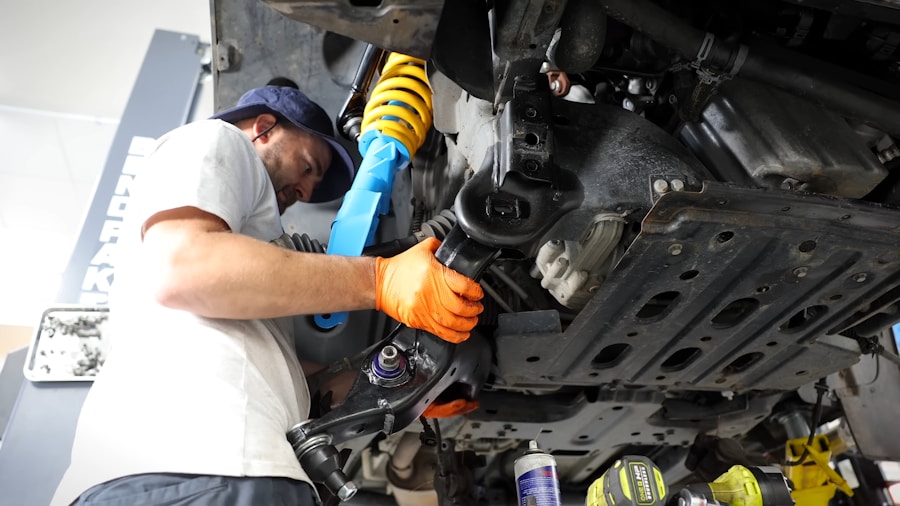
Proper suspension maintenance directly affects tire performance and longevity. When struts and shock absorbers wear out, they can cause uneven tire wear, reduce ride comfort, and impact how your vehicle handles on the road. Tire cracking happens even with good tread, especially when suspension components fail to properly support vehicle weight and absorb road impacts.
The availability of quality aftermarket suspension parts at competitive prices gives vehicle owners more flexibility in managing repair costs. Rather than paying premium dealer prices for strut and shock replacements, shoppers now have verified alternatives that meet the same engineering standards. This increased competition in the parts market ultimately benefits consumers through better pricing and wider availability.
Digital Service Coordination Transforms Tire Repair
Beyond physical parts, the tire and suspension service industry is embracing digital innovation. Digital tire service breakthroughs for fleet operators are streamlining how roadside tire repair and service coordination happens between fleets and tire dealers. This technology makes sense for commercial operators managing multiple vehicles, but the efficiency gains eventually trickle down to benefit individual consumers as well.
When service coordination becomes faster and more transparent, customers spend less time without their vehicles and enjoy more predictable service costs. Fleet operations that adopt these digital workflows reduce downtime and improve scheduling, which creates operational efficiencies that service providers can pass along to regular customers.
Infrastructure Investment Signals Strong Market Confidence
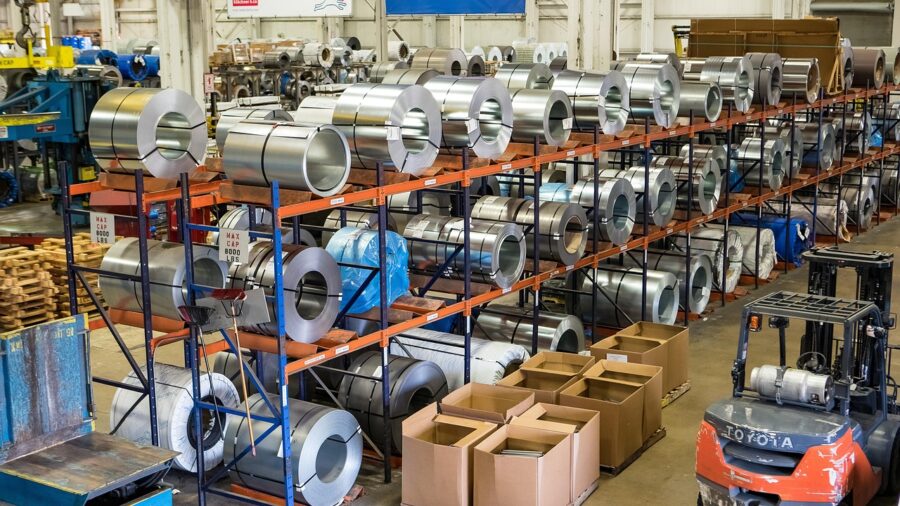
Major tire manufacturers are demonstrating confidence in market growth by investing in automated distribution infrastructure. A newly constructed automated warehouse facility represents a significant capital commitment and signals that the industry expects sustained demand for tire and suspension products across North America.
These infrastructure investments ultimately support faster delivery times and better product availability for consumers. When distribution becomes more efficient, tire shops and service centers can maintain better inventory, reducing customer wait times for both routine maintenance and emergency repairs.
Shopping Smart for Suspension and Tire Parts
For vehicle owners facing suspension repairs or tire replacement, this expanded market presents genuine advantages. More manufacturers competing with more applications means better pricing power for consumers. When shopping for replacement parts, consider that quality aftermarket components manufactured under OE-quality processes offer excellent value without sacrificing performance.
The key takeaway is simple: verify that any suspension or tire components you purchase meet recognized quality standards and are appropriate for your specific vehicle make and model. Take advantage of the expanded selection now available in the North American aftermarket. Whether you drive a popular crossover like the Nissan Rogue or a sedan like the Infiniti Q60, modern alternatives to dealer parts can save you money while maintaining reliability.
As the automotive aftermarket continues to mature and expand, consumers benefit from genuine competition, better pricing, and the confidence that replacement parts meet the same standards as original equipment.











Write Your Review
No reviews yet. Be the first to share your experience!