

If you own or are shopping for a modern heavy-duty pickup truck, coolant maintenance and system reliability ought to be on your radar. New technical analysis comparing three leading diesel engines reveals that cooling system failures are among the costliest and most overlooked maintenance gaps affecting truck owners today.
The Cooling Challenge Across Three Diesel Platforms
The 6.7L Cummins, L5P Duramax, and 6.7L Powerstroke handle basic maintenance similarly: oil, filters, coolant checks and diagnostics. But their weak points are very different. The Powerstroke, in particular, puts the heaviest load on its cooling system. It features two separate cooling circuits that both require monitoring, and skipping attention to either can result in expensive repairs.
On Cummins engines, cracked EGR coolers are a primary concern. This component allows coolant to leak directly into the exhaust system, where it can damage the SCR catalyst downstream. Some service schedules recommend EGR cooler inspection as early as 60,000 miles. The Duramax, depending on its generation, shows a range of cooling-related issues. The older LLY model runs hot and risks head gasket failure if coolant temperatures exceed 230 degrees Fahrenheit during towing. The newer L5P generation tends toward slow coolant leaks at hoses, connections, the reservoir, and the water pump, making early detection critical.
Why Coolant Levels Drop and What It Costs
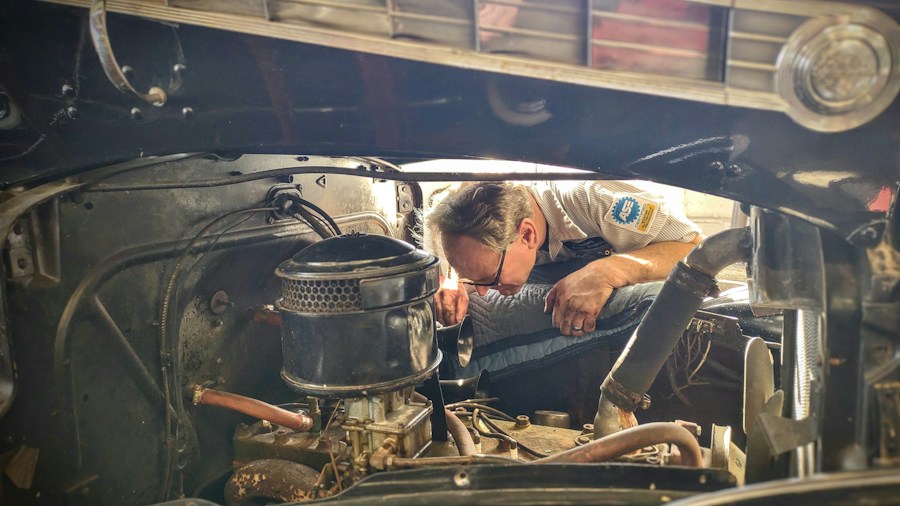
One of the five habits that catch most cooling problems is simple: record coolant level at every service visit. A level that drops between services is a red flag, and the source depends on which engine you own. On Cummins and Powerstroke trucks, dropping coolant almost always points to EGR cooler failure. On the L5P Duramax, it typically indicates a leak in the hoses, water pump, or connections.
The good news is that early detection saves thousands of dollars. A cracked EGR cooler can cost four figures to replace, and contamination from coolant in the exhaust system can damage catalytic equipment worth even more. Don’t let coolant color fool you into assuming all fluids work the same way. Each diesel engine manufacturer specifies particular coolant types, and using the wrong fluid can accelerate corrosion and internal failures.
Service Intervals Matter, But Not the Way Many Owners Think
Service intervals for these three engines do not agree across different sources. Dealers, parts retailers, and independent shops cite different numbers for the same truck, and some differences are significant. The Cummins, for example, sees coolant service intervals ranging from the manufacturer spec of 10 years or 150,000 miles, while some shops recommend more aggressive schedules for vehicles under severe duty. The L5P Duramax coolant service should include thermostat and radiator hose replacement, not just fluid exchange.
Most trucks now include oil-life monitors that drivers view as a recommendation rather than a ceiling. That is a mistake. Idling, towing, and frequent regeneration cycles all dilute oil and shorten actual engine life. Modern engines increasingly rely on lighter motor oil formulations, which means intervals deserve respect, not flexibility. Always verify the specific schedule in the owner’s manual for your truck’s year and VIN before scheduling service.
What Truck Owners Should Check Before Trouble Starts
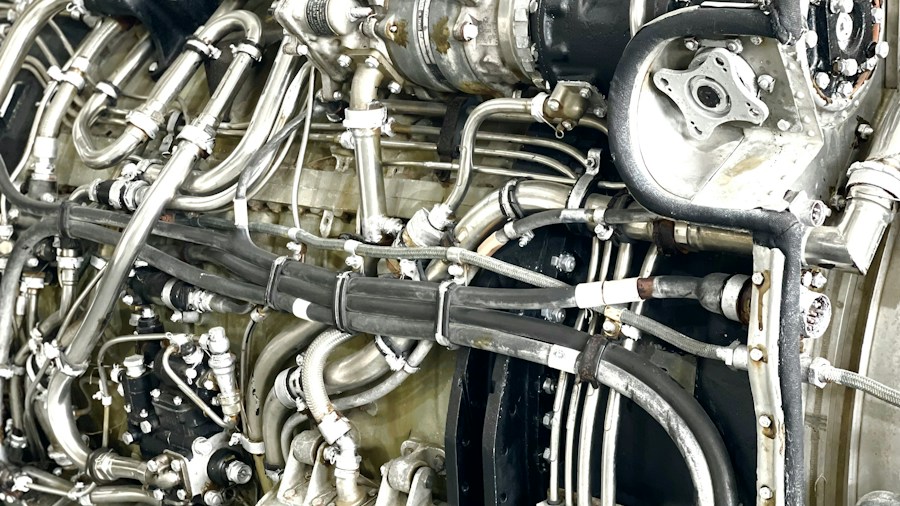
Five practical habits can catch cooling and fuel system problems early. Beyond recording coolant levels, owners should drain the water separator and inspect what comes out. This is cheap, fast, and on modern high-pressure fuel pump trucks, it is the earliest warning sign of contamination that could lead to injector or pump failure costing thousands to repair.
Powerstroke owners should watch for water-in-fuel warning messages and act immediately. If you run biodiesel, shorten oil and coolant service intervals because the truck’s service monitor does not account for this fuel type.
Most importantly, read diagnostic trouble codes and live data before ordering expensive replacement parts. On the L5P Duramax especially, emissions, injector, and sensor faults can look identical to the untrained eye. Misdiagnosis leads to replacing the wrong part and leaving the actual problem unresolved.
What This Means When You Shop for a Used Truck
If you are considering a 2019 or newer Cummins, confirm its recall status for CP4.2 fuel pump issues before you make an offer. Over 220,000 trucks were recalled for pump replacement and software updates. On Powerstroke models from 2017 to 2019, fuel system reliability is a negotiation point. Some sources describe higher pump failure risk in those years, while others claim Ford corrected the issue starting in 2020. Ask the seller for service records showing water separator drains and coolant history.
For any diesel truck you are buying, inspect coolant color and level before signing paperwork. Dried residue or a sweet smell in the engine bay suggests past leaks that may have been ignored. Request an oil sample and coolant sample from a qualified shop as part of your pre-purchase inspection. These tests cost less than one service interval and reveal contamination, fuel dilution, or coolant mixing that visual inspection would miss.









Write Your Review
No reviews yet. Be the first to share your experience!