

Where Did the Ford Maverick Name Come From?
The Ford Maverick nameplate carries a rich history rooted in American ranching culture and 1970s automotive innovation. The word ‘maverick’ itself traces back to Samuel A. Maverick, a Texas land baron from the 1840s who famously refused to brand his cattle. His defiant approach to ranching, whether a matter of principle or simply business philosophy, gave rise to a term meaning an independent spirit who operates outside conventional boundaries. When Ford’s leadership was crafting marketing strategies for a new affordable compact car in the late 1960s, executives recognized the perfect fit between that rugged individualist image and their target audience of younger buyers seeking alternatives to expensive domestic models and rising imports.
Lee Iacocca, then serving as Ford’s executive vice president, championed the development of an inexpensive small car designed to appeal to cost-conscious youth. The Maverick naming strategy proved inspired, drawing on the same ranching heritage that already connected other Ford vehicles like the Mustang, Pinto, and Bronco. This cohesive branding approach helped establish Ford as offering vehicles with personality and character, not just basic transportation.
The Original Maverick and Its Success

The first Ford Maverick arrived in April 1969, featuring a sporty fastback design that immediately captured buyer enthusiasm. By the end of that introductory year, Ford had moved 127,883 units, a remarkable achievement that exceeded even the legendary Mustang’s debut-year sales of 1964. The Maverick proved the market was hungry for affordable, stylish compact transportation. When a four-door version debuted in 1971, total North American sales surpassed 2 million units, cementing the nameplate’s place in automotive history. Mercury even got its own variant, the Comet, further expanding the model’s reach.
Despite this initial success, Ford retired the Maverick nameplate after the 1970s, leaving a gap in the company’s lineup for nearly two decades.
Revival Attempts: The Nissan-Based Mavericks
Ford resurrected the Maverick badge in 1988, though the approach proved unconventional. Rather than developing an original vehicle, the company partnered with Japanese automakers to create badge-engineered offerings. The first revival used a Nissan Patrol SUV platform, which was marketed as the Maverick beginning in 1988 through 1994. This strategy, while practical, lacked the innovative spirit of the original.
A second Nissan-based Maverick arrived in the mid-1990s, this time drawing from the Nissan Mistral, a vehicle styled by the Italian design house I.D.E.A. That model also appeared internationally as the Nissan Terrano II and maintained genuine off-road capabilities throughout its production run until 1999. These vehicles represented a different market segment from the original compact car, targeting SUV buyers rather than budget-conscious sedan customers. Learn more about Ford’s experimental vehicle combinations from this era to understand the company’s diversified approach to nameplate usage.
The Modern Maverick and Today’s Market
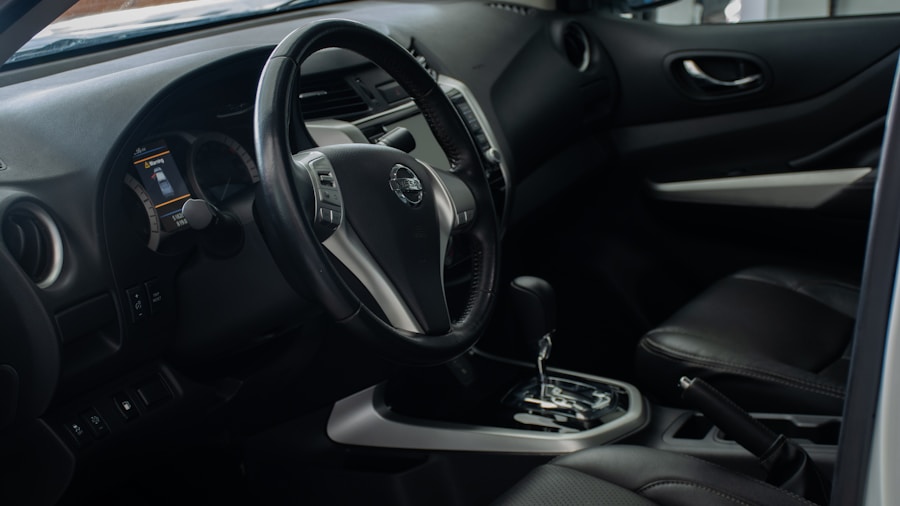
Ford made perhaps its smartest decision regarding the Maverick nameplate when it launched the current generation in 2021. This compact unibody pickup directly addressed a growing market segment by offering truck practicality at an accessible price point, staying true to the original Maverick’s mission of affordable innovation. The new Maverick rapidly became a customer favorite, claiming the number-two position in small pickup sales through mid-2026, trailing only the Toyota Tacoma.
The success of the modern Maverick demonstrates that buyers still respond to the nameplate’s promise of capable, value-focused transportation. Whether customers are drawn by the historical resonance or simply the vehicle’s practical appeal remains less important than the fact that Ford discovered a winning formula by combining heritage with contemporary market needs. Recent updates to the Maverick lineup show Ford’s continued commitment to evolving the brand for modern consumers.
What This Means for Ford Buyers Today
Understanding the Maverick’s history provides valuable context for today’s shoppers evaluating Ford’s lineup. The nameplate represents continuity from the original Maverick’s core principle: delivering genuine value without sacrificing style or capability. Whether you’re considering the current pickup or simply interested in Ford’s branding philosophy, the Maverick story illustrates how automotive names carry meaning beyond marketing. They represent decades of customer expectations, product evolution, and brand identity. For budget-conscious buyers seeking a truck that balances capability with affordability, the modern Maverick upholds the legacy established by its 1969 ancestor, proving that some names truly do earn their place in automotive history through sustained customer appeal and genuine product merit.










Write Your Review
No reviews yet. Be the first to share your experience!