

What Buyers Need to Know About Rust Prevention
Rust remains one of the most persistent threats to vehicle longevity and safety, particularly for owners in cold climates where road salt accelerates corrosion. Recent guidance on rust prevention emphasizes that while complete elimination is impossible, a strategic multi-step approach can significantly extend your car’s life and maintain its structural integrity.
Understanding How Rust Develops

Rust forms through a straightforward chemical process: when bare steel meets moisture and oxygen in the air, oxidation begins. Over time, exposed metal discolors and degrades into the characteristic red staining visible on quarter panels, wheel wells, and undercarriage components. The timeline and severity depend heavily on your location and driving habits.
Surface rust represents the earliest stage and occurs naturally on any vehicle with moderate mileage. However, rust can escalate to more dangerous levels when paint bubbles and peels or structural sections deteriorate. Common vulnerable areas include rocker panels, suspension components, frame rails, and the entire undercarriage where salt and road debris accumulate.
Drivers in the Rust Belt region of the United States, including Michigan and Ohio, face accelerated corrosion due to harsh winters and extensive road salt application. Even vehicles outside these areas encounter risk during winter months when salted roads become standard practice.
The Prevention Strategy That Works
Since rust is an inevitable chemical reaction over extended timelines, the most practical approach focuses on creating a physical barrier between vulnerable steel and corrosive elements. This requires three coordinated steps.
Step One: Thorough Underbody Cleaning
Begin by power washing your vehicle’s undercarriage to remove accumulated gunk, road salt, and slush that contain corrosive chemicals. Pay special attention to hard-to-reach areas using angled or flexible wands. Allow the undercarriage to dry completely before moving forward.
Step Two: Apply Rust Inhibitor Coating
Once dry, apply a rust inhibitor coating across the underside, focusing intensely on vulnerable zones: fenders, bumper interiors, rocker panels, control arms, coil and leaf springs, strut towers, chassis and frame rails, brake and fuel lines, floor pans, and exhaust hangers. The best paint sealants of 2026 can also provide protection when applied to healthy painted surfaces. Reapplication frequency depends on your climate and driving patterns, typically ranging from one to three years.
Step Three: Protect Painted Surfaces
Seal healthy paint with either traditional wax or ceramic coating to prevent rust from spreading through micro-scratches and imperfections that develop naturally during driving. The best rubbing compounds help restore paint before sealing. Traditional wax requires reapplication every three to four months, while ceramic coatings provide protection lasting two to five years, making them a longer-term investment.
Why Storage Alone Isn’t Practical
While keeping a vehicle in a heated, climate-controlled garage would dramatically slow rust formation, most owners must park and drive their cars outdoors regularly. Work commutes, errands, and highway driving expose vehicles to salt, moisture, and debris continuously. This reality makes proactive underbody protection essential rather than optional.
Targeting the Right Areas
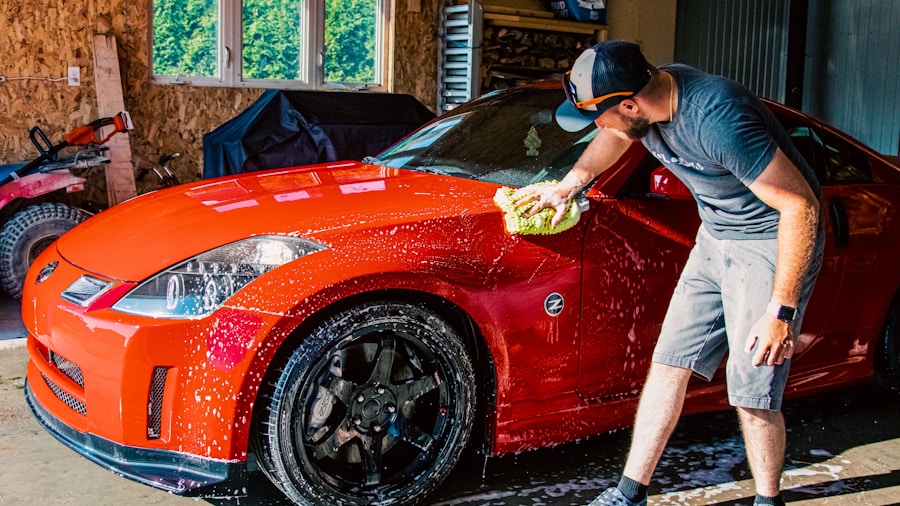
Successful rust prevention requires knowledge of which components are most vulnerable. Suspension parts like control arms and bushings deserve particular attention since rust compromises both safety and performance. Frame rails, rocker panels, and wheel well edges are notorious rust hot spots where metal literally degrades away, creating jagged edges.
Some vehicle design features inherently promote rust formation. Landau roofs, for example, trap moisture and allow it to drip down, initiating corrosion in multiple locations. Understanding these vulnerabilities helps owners prioritize their prevention efforts.
What This Means for Shoppers
Buyers should recognize that rust prevention is an ongoing maintenance responsibility, not a one-time fix. Reflective paint and modern protective coatings represent the current standard for rust defense. Investing in quality rust inhibitor products and scheduling regular reapplications protects resale value and safety. Those living in harsh winter climates or the Rust Belt should prioritize preventive treatment immediately after purchase, particularly before the first winter season. Regular washing to remove salt buildup, combined with professional underbody coating, offers the best return on investment for extending vehicle life and avoiding costly repairs from advanced corrosion.











Write Your Review
No reviews yet. Be the first to share your experience!