

Vredestein Sprint Classic Brings Proven Radial Technology to Classic Car Enthusiasts
The automotive aftermarket continues to offer specialty tire options designed for specific vehicle types and driving conditions. The Vredestein Sprint Classic, a summer tire engineered for vintage and classic cars, demonstrates how foundational tire technology translates into real-world performance benefits for drivers. Understanding the engineering beneath the tread can help shoppers make informed decisions when replacing tires on their vehicles.
How Radial Construction Improves Tire Performance
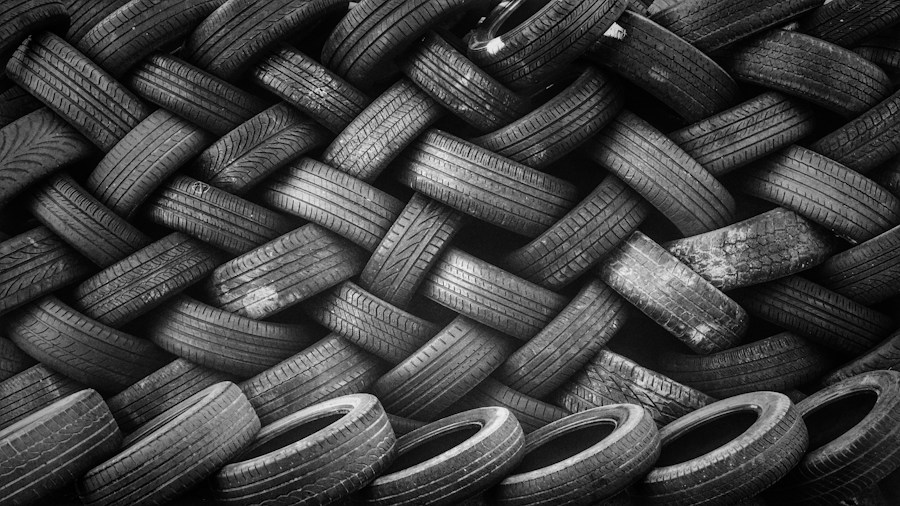
Most modern tires, including the Vredestein Sprint Classic, use radial construction as their foundation. In this design, reinforcing cords run perpendicular to the tire’s rotation, extending from one bead to the other across the width of the tire. This structural approach allows the sidewalls to flex with greater independence, while steel belts positioned beneath the tread work to stabilize the contact patch where the rubber meets the road.
For drivers, this combination delivers measurable advantages during everyday driving. The tire resists excessive tread distortion when you brake hard or take corners at speed, which translates to more predictable steering response and improved overall control. Rather than the tire squirming under load, the radial design helps maintain consistent contact with the pavement, giving you the feedback and precision you expect from your vehicle.
What This Means for Classic Car Owners
Classic and vintage car enthusiasts often face a unique challenge: finding summer tires that match the aesthetic of their vehicles while delivering modern safety and handling characteristics. The Vredestein Sprint Classic bridges that gap by combining a retro appearance with contemporary radial construction technology. Drivers appreciate the visual authenticity on their classic machines without sacrificing the braking performance and cornering stability that modern tire engineering provides.
The improved steering predictability helps classic car owners feel confident whether they are cruising on weekend drives or navigating more demanding road conditions. Since these vehicles are often driven recreationally rather than daily, a summer-specific tire makes sense for enthusiasts who store their cars seasonally or park them when weather turns cold and wet.
Tire Quality Matters for All Drivers

While the Vredestein Sprint Classic targets a niche market, the broader message about tire construction and performance applies to any shopper in the market for replacements. Understanding that millions of recalled tires still remain on roads underscores the importance of choosing tires from manufacturers with solid engineering credentials and proven track records. Quality construction, whether radial or otherwise, directly affects how your vehicle performs in critical situations like emergency braking or evasive maneuvers.
When you shop for replacement tires, consider what engineering approach best suits your vehicle type and typical driving patterns. Summer tires like the Vredestein Sprint Classic excel in warm weather and dry conditions, while all-season and winter options serve different purposes. New tire service locations continue to expand across the country, making it easier for drivers to find professional installation and advice in their communities.
Making Your Tire Purchase Decision
Radial construction has become the standard for good reason: it works. The technology allows tire engineers to balance flexibility with stability, creating tires that respond predictably to steering inputs and maintain their grip through aggressive driving maneuvers. For classic car owners seeking authenticity paired with modern engineering, the Vredestein Sprint Classic represents a thoughtful option.
Before purchasing any tire, verify that it matches your vehicle’s specifications and driving needs. Check your owner’s manual or the placard on your driver’s door jamb for the correct tire size, load rating, and speed rating. Consider your climate and typical driving conditions. If you live in a region with seasonal temperature changes, you may need to rotate between summer and winter tires or choose an all-season alternative. Tire manufacturers continue to innovate across all categories, so comparing options within your budget and needs makes sense.
Taking time to understand tire construction and how different designs affect handling, braking, and comfort helps you choose products that deliver genuine value rather than simply picking the cheapest option available. Whether you drive a classic vehicle or a modern sedan, the quality and design of your tires significantly influence your safety and satisfaction on the road.











Write Your Review
No reviews yet. Be the first to share your experience!