

US Government Imposes Import Ban on Select Canadian Motorcycles
As of September 29, 2026, the United States government is banning the importation of certain motorcycles manufactured in Canada. This action is part of an escalating series of trade tensions between the US and Canada, following tariff measures announced throughout September. For American riders and motorcycle enthusiasts, understanding what this ban covers and what it means for your purchasing options is essential.
What the Ban Actually Covers
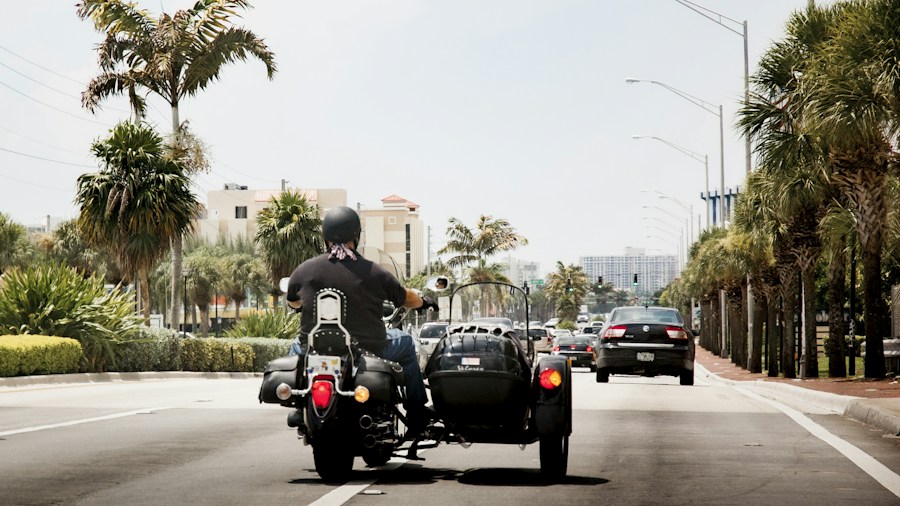
The ban specifically targets motorcycles produced in Canada, not all vehicles bearing Canadian brand names. This distinction matters significantly. Can-Am Spyder and Canyon three-wheeled motorcycles manufactured in Valcourt, Canada will be prohibited from entering the US market. However, other Can-Am models including the Origin and Pulse will remain available because they are produced outside of Canada.
Three-wheeled vehicles like the Can-Am lineup are classified and licensed as motorcycles in the United States, even though they differ mechanically from traditional two-wheeled bikes. The Motor Safety Foundation even offers dedicated courses for three-wheeler riders on Can-Am equipment alongside its standard motorcycle instruction programs.
Limited Immediate Impact on Current Shoppers
For buyers shopping now, the good news is that most 2026 model year inventory has already been produced and shipped before the September 29 deadline. Can-Am’s parent company, Bombardier Recreational Products, confirmed that the impact on their fiscal 2027 projections will be minimal because production cycles run ahead of implementation dates. This means dealerships will likely maintain stock through the remainder of 2026.
Other Can-Am powersports products including all-terrain vehicles, side-by-sides, and personal watercraft are not currently affected by these trade measures. However, the rapidly changing nature of trade policy means that additional restrictions could emerge at any time.
The Bigger Picture of Trade Tensions
This motorcycle ban didn’t occur in isolation. The US government imposed 50 percent tariffs on approximately five percent of Canadian goods in August, targeting dairy products, alcoholic beverages, and motorcycles. Canada responded with retaliatory tariffs on roughly six percent of US imports entering Canada on September 8. As supply chain complexities mount, riders shopping for motorcycles should be aware that supply chain disruptions continue to affect motorcycle availability and pricing across multiple brands and categories.
Geography and Manufacturing Complexity
One key misunderstanding many consumers have is assuming that all vehicles carrying an American brand name are manufactured in the United States, or conversely, that all products with a Canadian brand are made in Canada. Global manufacturing operations today involve complex distribution networks. Major powersports manufacturers maintain production facilities across multiple countries and import finished vehicles based on market demand and regulatory requirements.
This reality means that determining whether a specific motorcycle falls under the import ban requires knowing not just the brand name, but the actual manufacturing location. Can-Am’s situation exemplifies this complexity, as only two of their three-wheeler models produced in their Valcourt facility will face restrictions.
What Buyers Should Do Now

If you’re interested in purchasing a Can-Am Spyder or Canyon model, contacting local dealerships immediately to understand their current inventory and pricing is recommended. While production through 2026 should remain available, availability may become constrained as the September 29 deadline approaches. Models not manufactured in Canada, such as the Origin and Pulse, will continue to be available after the ban takes effect.
For those shopping for other motorcycle brands and types, these tariff measures reflect broader market dynamics that could eventually impact pricing and availability. The motorcycle market continues navigating tariff complications that riders should monitor, as additional restrictions may still be announced. Staying informed about manufacturing locations and supply chain developments will help you make smarter purchasing decisions in this unpredictable environment.
Looking Ahead
Trade policy remains in flux, and what seems certain today could change tomorrow. Manufacturers and dealerships are closely monitoring these developments and will adjust inventory strategies accordingly. For now, American motorcycle buyers retain access to the full range of Can-Am models through September 28, 2026, giving shoppers a clear window to purchase if they have their hearts set on a specific model.











Write Your Review
No reviews yet. Be the first to share your experience!