

The motorcycle industry is navigating a complex period of supply chain challenges that are directly affecting what consumers can buy and how much they will pay. Understanding these disruptions helps shoppers make informed decisions about timing their purchases and selecting the right bike for their needs.
Current Supply Chain Pressures Reshaping the Market
Manufacturers and dealers across the motorcycle segment are contending with multiple headwinds that trace back to global production bottlenecks, component shortages, and increased shipping costs. These factors are creating ripple effects throughout inventory levels at dealerships nationwide. Parts sourcing has become more complicated, with lead times extending for both new motorcycles and aftermarket components that riders depend on for maintenance and customization.
The disruption extends beyond simple stock issues. Logistics networks that traditionally moved motorcycles from factories to showrooms have experienced delays, forcing some dealers to operate with leaner inventory than usual. This means fewer choices on the lot and potentially longer wait times for specific models or configurations that buyers have their hearts set on.
What This Means for Your Purchase Timeline
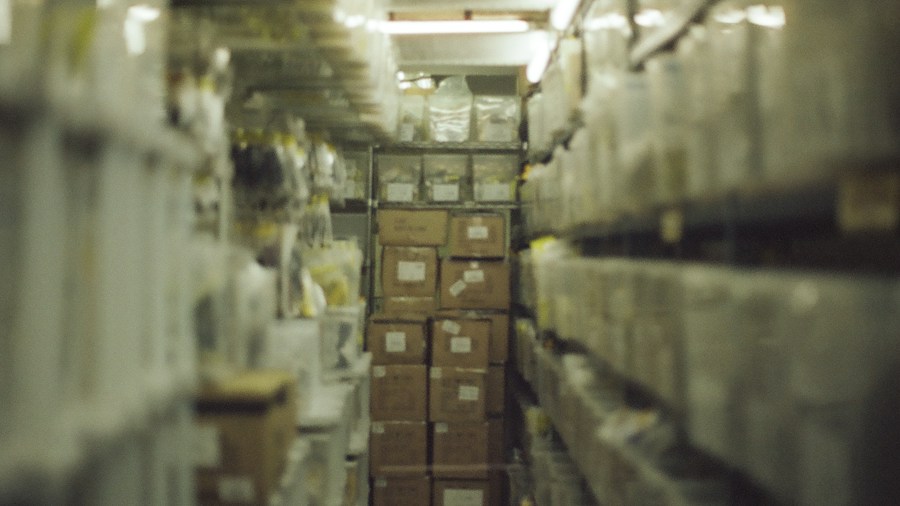
If you have been thinking about buying a motorcycle, timing matters now more than ever. Limited inventory means popular models sell faster, and special orders may take considerably longer to arrive. Savvy shoppers are adjusting their expectations and planning ahead rather than expecting immediate availability.
Dealers are also reporting that certain bike categories are affected more severely than others. Adventure bikes and premium touring models face longer wait periods, while some entry-level and mid-range motorcycles have better availability. This imbalance gives buyers who are flexible with their model choice a strategic advantage.
For those interested in tracking market trends, industry reports show how major events continue to drive sales momentum, even as supply constraints persist. Understanding broader sales patterns can help you predict which bikes might be harder to find.
Pricing Adjustments Reflecting Higher Costs
Supply chain friction is translating directly to pricing pressure across the motorcycle market. Manufacturers are passing along increased component and transportation costs to dealers, who in turn adjust their pricing to consumers. The result is that motorcycles generally cost more today than they did two years ago, and that trend may continue depending on how global supply networks stabilize.
Buyers considering pre-owned motorcycles sometimes find better value in the used market, though demand for used bikes remains strong. The gap between new and used pricing has narrowed as supply constraints make new inventory more precious. This shift affects both buyers and sellers in interesting ways.
International Trade Factors at Play
Broader economic dynamics are compounding supply chain woes. Trade policies and tariff discussions continue to create uncertainty in the motorcycle industry. Manufacturers sourcing components internationally face unpredictable costs, which filters down to retail prices. Recent tariff escalations have prompted serious discussions about how costs may shift for buyers, making it worth staying informed about policy developments.
Strategic Shopping Tips for Today’s Market

In this environment, preparation pays off. Contact dealers early to discuss specific models and expected delivery dates. Many shops maintain waiting lists, and getting your name on one gives you visibility into when inventory arrives. Asking about floor models or slightly delayed shipments sometimes reveals opportunities for negotiation.
Consider expanding your model preferences slightly. If your first choice is unavailable, understanding which alternatives meet your needs keeps you mobile. Dealers often have similar bikes from the same or different brands that deliver comparable performance and features.
Also inquire about parts availability when you purchase. Knowing that your motorcycle’s common service items are in stock or reliably accessible matters when you eventually need maintenance. Some dealers have fared better than others in securing parts inventory, so asking the right questions matters.
Looking Ahead
The motorcycle industry continues adapting to these constraints. Optimistic signals from some manufacturers suggest gradual improvements on the horizon, though the timeline remains uncertain. In the meantime, buyers who approach their purchase with patience and flexibility will navigate the current landscape most successfully. Innovative product development continues despite these challenges, ensuring that new technology and designs still reach the market.
Whether you are a seasoned rider replacing a trusted bike or a newcomer entering the motorcycle world, understanding these supply realities helps you set realistic expectations and make decisions that align with your budget and timeline. Stay patient, ask questions, and remain flexible as you move forward with your purchase.











Write Your Review
No reviews yet. Be the first to share your experience!