

Toyota Debuts Its High-Performance V8 at Laguna Seca
Toyota recently turned heads at Monterey Car Week by showcasing its upcoming GR GT sports car and its racing variant, the GR GT3, at the legendary Laguna Seca racetrack in California. During demonstration laps through the track’s famous Corkscrew section, both vehicles revealed the authentic rumble of twin-turbocharged V8 engines that sound remarkably similar to American muscle cars. The deep, aggressive exhaust note captured in videos made it clear that Toyota is serious about delivering genuine performance rather than relying solely on hybrid technology.
For consumers interested in high-end sports cars, this moment matters because it signals Toyota’s commitment to the enthusiast market. The company isn’t just building a luxury vehicle; it’s creating a dual-purpose machine designed as both a road car and a potential race car for wealthy collectors. By bringing the GR GT to Monterey Car Week, one of the world’s largest automotive events for affluent enthusiasts, Toyota is directly targeting potential buyers and demonstrating real-world performance capabilities.
What Makes the GR GT Special
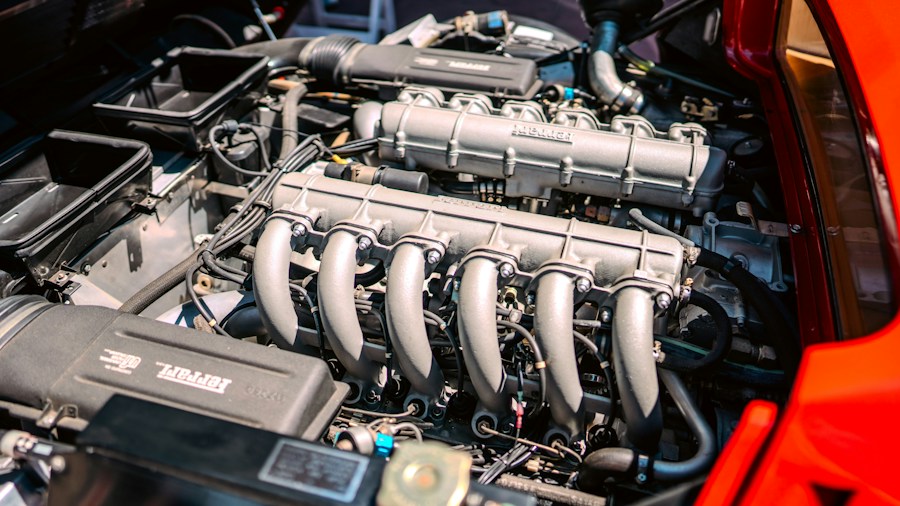
The GR GT represents Toyota’s entry into the ultra-premium sports car segment. Under the hood sits a sophisticated twin-turbocharged V8 engine equipped with a dry-sump lubrication system. The turbochargers are positioned in the valley between the cylinder heads to optimize performance and packaging. Toyota has targeted approximately 641 horsepower and 627 pound-feet of torque, though final specifications have not yet been officially confirmed.
The engineering approach reflects serious motorsport heritage. The transmission is uniquely mounted at the rear of the vehicle alongside a hybrid motor system, which combines traditional V8 power with electric assistance. The entire structure rides on an aluminum chassis with double-wishbone suspension at all four corners, while stopping power comes from carbon ceramic Brembo disc brakes. This level of specification suggests pricing will exceed $200,000 when the car arrives in 2027.
Shared Architecture with Racing DNA
Toyota designed the GR GT specifically with its racing counterpart in mind. The GR GT3 shares much of the chassis and basic structure with the road version, though the race car sacrifices hybrid technology in favor of pure engine output. Interestingly, the same platform also underpins the upcoming Lexus LFA, which will be a fully electric vehicle with entirely different styling and performance characteristics. This shared foundation demonstrates how modular design principles can serve multiple brand strategies, whether through Toyota’s durability track record or luxury-focused performance.
Availability and Production Plans

The GR GT will begin customer deliveries in 2027, marking the starting point for Toyota’s supercar ambitions. Initially, production will be strictly limited to between 200 and 250 examples, creating exclusivity for early adopters. Toyota has not announced final pricing, though projections suggest the vehicle will command well over $200,000. The company has indicated willingness to continue production beyond the initial run to meet demand from collectors and enthusiasts who qualify as buyers.
This limited production approach mirrors strategies used by other manufacturers building ultra-premium vehicles. Buyers should understand that acquiring one of these cars will require not just substantial financial resources but also likely participation in a selection process by Toyota to ensure vehicles reach enthusiasts and serious collectors rather than purely investment-focused purchasers.
What This Means for the Broader Market
While the GR GT exists in a rarified price segment, its presence carries significance for the larger automotive industry. Toyota is signaling that it intends to compete in every category, from mainstream vehicles where rivals target their truck lineups all the way up to hypercars reserved for the world’s wealthiest enthusiasts. This brand positioning strengthens Toyota’s overall image as a performance and innovation leader.
For consumers not in the market for a $200,000 sports car, the development of the GR GT still matters. Technologies and engineering approaches developed for ultra-high-performance applications often filter down to more accessible vehicles over time. The advances in hybrid integration, turbocharged efficiency, and lightweight construction discovered during GR GT development could eventually benefit Toyota’s broader lineup.
The appearance at Laguna Seca during Monterey Car Week was strategically timed to reach potential buyers when they’re most engaged with premium automotive content. As the 2027 launch date approaches, expect more opportunities to experience the GR GT firsthand, with additional demonstration events likely planned at major automotive venues throughout North America and Europe.











Write Your Review
No reviews yet. Be the first to share your experience!