

A comprehensive analysis of 400 million vehicles has revealed which cars are most likely to surpass the 250,000-mile mark, and the results offer important insights for shoppers considering long-term durability and value retention. The study, conducted using data from used-car listings, identified the 25 models with the highest probability of reaching this milestone, with a clear winner emerging at the top.
Toyota’s Overwhelming Longevity Lead
Toyota vehicles dominate the rankings with remarkable consistency. The Sequoia full-size SUV claims the top spot with a 39.1 percent chance of reaching 250,000 miles, followed closely by the 4Runner at 32.9 percent and the Highlander Hybrid at 31.0 percent. The Tundra pickup, Tacoma compact truck, and Avalon sedan all appear multiple times within the top rankings, signaling that Toyota’s reliability reputation extends across its entire lineup of trucks, SUVs, and sedans.
The Lexus premium brand, which is owned by Toyota, also shows strong performance in the study. The Lexus IS sedan, GX SUV, and RX models all rank within the top 20, reinforcing the parent company’s engineering standards. As new competitors target Toyota truck territory with aggressive American strategies, these longevity numbers represent a significant competitive advantage for the Japanese automaker.
Trucks and SUVs Win the Durability Race
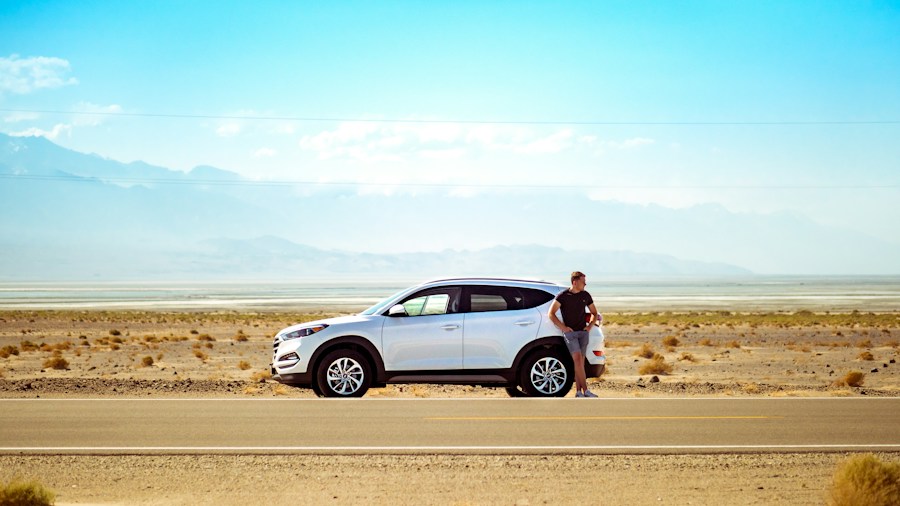
The data confirms what many automotive enthusiasts already know: full-size SUVs and trucks are built to last longer than sedans and crossovers. Honda’s Ridgeline pickup and Pilot SUV both rank within the top 15, and the Honda Odyssey minivan impressively claims the 12th position at 13.0 percent. Chevrolet’s Silverado 1500 and Suburban also made the list, while General Motors’ GMC Sierra 1500 and Cadillac Escalade demonstrated respectable longevity ratings.
One notable absence from the rankings is Ford’s F-150 pickup, despite it being America’s best-selling vehicle. This gap suggests that while the F-150 remains popular, owners may not be as inclined to drive these trucks to extreme mileage levels compared to Toyota owners.
The Hybrid Advantage Emerges
Contrary to early consumer concerns about battery longevity and replacement costs, hybrid vehicles consistently outperform their non-hybrid counterparts in this durability study. The Highlander Hybrid, Prius, and Camry Hybrid all rank higher than their gasoline-only versions. Toyota’s legacy of hybrid innovation has fundamentally shaped the market, and these results suggest that hybrid technology has proven its staying power over decades of real-world driving.
This outcome likely reflects multiple factors. Hybrid owners tend to follow maintenance schedules more carefully, and the technology’s reduced fuel consumption encourages some drivers to maintain their vehicles longer. Over time, a hybrid’s lower operating costs make accumulating high mileage more economical for owners who use their vehicles for business or frequent travel.
Understanding What These Numbers Actually Mean

It’s important to recognize that this study measures not only vehicle reliability but also owner behavior. The rankings reflect which vehicles owners are most likely to drive until they reach 250,000 miles, not solely how well the vehicles are engineered. Commercial fleet operators, livery services, and business owners tend to keep trucks and SUVs longer than typical consumers keep sedans. This means the data carries an inherent bias toward vehicle categories that commercial users prefer.
Additionally, some vehicles on the list have faced significant recall issues. Toyota issued a major recall in recent years that affected the Tundra, Sequoia, and Lexus GX due to potential engine manufacturing defects, demonstrating that high rankings don’t guarantee perfect reliability histories.
What This Means for Your Next Purchase
For buyers prioritizing longevity and resale value, these rankings offer useful guidance. If you plan to keep a vehicle for a decade or more, Toyota trucks and SUVs represent statistically safer bets than many competitors. Japanese brands in general, including Honda and Lexus, consistently rank higher than American and other international brands in terms of reaching extreme mileage milestones.
Hybrid technology should no longer deter buyers concerned about long-term reliability. The data confirms that hybrid systems have matured into durable, dependable technology that can actually extend vehicle lifespan compared to conventional engines. Even as manufacturers innovate with new materials and designs, the fundamental reliability principles that allow vehicles to reach 250,000 miles remain centered on quality engineering and owner maintenance commitment.
While these statistics represent broad trends, individual vehicles outside the top rankings certainly achieve impressive mileage totals. The study serves as a useful reference point for shoppers weighing reliability claims, but ultimately your own maintenance habits and driving patterns will largely determine whether your next vehicle becomes a 250,000-mile champion or falls short of that milestone.











Write Your Review
No reviews yet. Be the first to share your experience!