

Ford Bronco Won’t Be Sold in Australia After All
Ford has decided against bringing the full-featured American Bronco to Australia, despite CEO Jim Farley’s hints earlier this year that the rugged SUV could be headed to the market. Instead, the company has opted to introduce the Ford Bronco Basecamp, a hybrid variant developed for international consumers. This decision marks a significant shift in Ford’s strategy for one of its most celebrated vehicles and tells us plenty about how automakers evaluate different regional markets.
Why Ford Deemed the Bronco Too Extreme for Australia
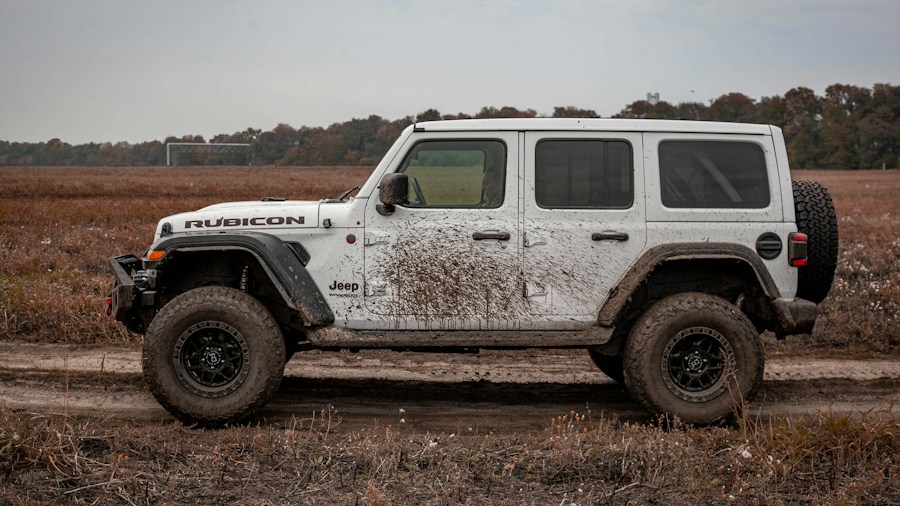
According to Fadi Mawal, president and CEO of Ford Australia, the decision came down to market fit. The American-market Bronco is an extreme off-road machine that allows buyers to remove doors and the roof, making it ideal for dedicated adventure seekers. However, Ford leadership determined this level of customization and ruggedness was simply too specialized for the typical Australian buyer. “When we looked at that, we felt we could bring that into Australia, but it would be quite niche,” Mawal explained.
The company recognized that while Australia’s terrain is certainly rugged and demands capable vehicles, the broader consumer base wasn’t seeking such an extreme off-road platform. Instead of forcing the American version into an unsuitable market, Ford made the pragmatic choice to introduce a different product altogether. This approach reflects how major automakers conduct detailed market research before committing significant resources to regional launches.
The Bronco Basecamp: A Different Vehicle for Different Needs
The Ford Bronco Basecamp represents a fundamentally different philosophy from its American cousin. Developed in China through Ford’s Jiangling joint-venture partnership, the Basecamp uses a platform and components from Jiangling Motors Corporation (JMC). Rather than emphasizing extreme off-road capability, this model prioritizes versatility for both urban and adventure use cases.
The Basecamp features what Ford calls a “super hybrid” powertrain, specifically an extended-range electric vehicle (EREV) system. This technology offers improved fuel efficiency compared to traditional engines while maintaining the driving range that Australian customers expect. The vehicle retains styling cues and some design elements from the American Bronco, creating a visual connection between the two models even though their capabilities differ significantly.
What makes this choice particularly interesting is that the Basecamp isn’t simply a stripped-down version of the American Bronco. Instead, it’s engineered as a complete solution designed for hybrid-electric powertrain integration. Ford Australia is tuning the Basecamp specifically for local market conditions and consumer preferences, recognizing that Australian drivers have different needs than those shopping for extreme off-road vehicles in the United States.
What This Means for Automotive Shoppers Worldwide
This decision illustrates an important reality in the automotive industry: major manufacturers don’t take a one-size-fits-all approach to global markets. The same vehicle that dominates American showrooms may not resonate with buyers on the other side of the world. Regional preferences, terrain characteristics, fuel prices, regulatory requirements, and economic conditions all influence which products make sense where.
For potential Ford buyers, especially those interested in off-road capability and adventure-focused vehicles, this news highlights the importance of understanding what’s actually available in your market. If you’re in Australia and were hoping for the extreme American Bronco, the Basecamp offers a reasonable alternative with different strengths. Its hybrid-electric powertrain appeals to environmentally conscious shoppers, while its on-road refinement and city capability make it more practical for everyday use than the stripped-down American version.
The Basecamp also demonstrates how Ford is investing in diverse powertrains and platforms through international partnerships. Ford continues to evaluate various strategies across its product lines, from racing initiatives to mainstream consumer offerings. This flexibility allows the company to adapt to changing market conditions and consumer preferences, even when it means abandoning previously considered plans.
The Bigger Picture for Ford’s Global Strategy
Ford’s decision regarding the Australian market reflects broader trends in the automotive industry. Electric vehicles, hybrid powertrains, and modular platforms allow manufacturers to develop region-specific products more efficiently than ever before. Rather than engineering expensive right-hand drive conversions of existing models, companies like Ford can leverage existing platforms and powertrains to create purpose-built vehicles for specific markets.
This approach also applies pressure on Ford to continue developing diverse offerings across its brand. The company’s adventure vehicle lineup already includes the Bronco Sport alongside the original Bronco, demonstrating that Ford understands different customer segments want different experiences.
Australian customers will need to decide whether the Basecamp’s attributes align with their needs. Its combination of adventure capability, city usability, and hybrid-electric efficiency represents a different value proposition than the American Bronco. For buyers prioritizing extreme off-roading, this may feel like a compromise. For those seeking a capable adventure vehicle that doesn’t sacrifice everyday practicality or fuel economy, the Basecamp could deliver an appealing package tailored to local market demands.











Write Your Review
No reviews yet. Be the first to share your experience!