

In a surprising turn for Ford Racing fans, NASCAR driver Josh Berry is making the jump from the blue oval to Toyota for the 2027 racing season. After spending the last two years piloting Ford Mustang stock cars for Wood Brothers Racing and Stewart-Haas Racing, Berry has signed with Legacy Motor Club to drive the No. 42 Toyota TRD Camry. This shift represents one of the more notable driver moves heading into next year’s NASCAR Cup Series campaign.
Why Berry Made the Switch
Berry’s departure from Ford comes after Wood Brothers Racing, the longest-operating team in NASCAR’s Cup Series, chose to part ways with the driver in June. However, his departure does not mean his career stalled. His recent performance in the No. 21 Ford Mustang caught significant attention across the sport. During his time with Ford, Berry secured six consecutive top-10 finishes and earned one victory at Las Vegas in early 2025, demonstrating the kind of consistency that top teams actively pursue.
Legacy Motor Club, owned in part by seven-time Cup Series champion Jimmie Johnson and racing icon Richard Petty, clearly saw that potential. In Berry’s announcement about joining the team, he emphasized the culture and direction that Johnson has built at Legacy. The driver described the organization’s vision and competitive environment as the primary factors driving his decision to accept the Toyota ride. Ford Racing continues to develop partnerships with NASCAR teams even as veteran drivers transition to competing brands.
Berry’s Ford Racing Tenure
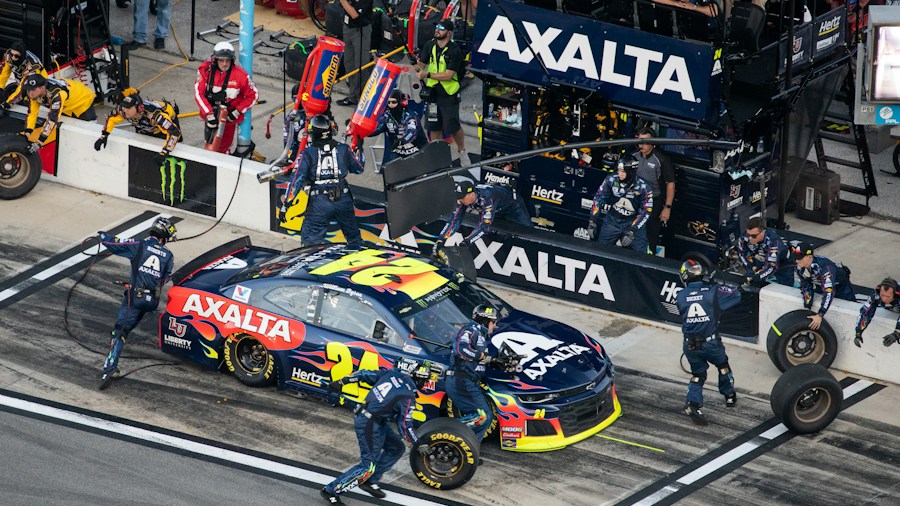
Berry’s journey with Ford began in 2024 when he joined Stewart-Haas Racing as a Cup Series driver. When that organization folded at the end of the 2024 season, he transitioned to Wood Brothers Racing for the 2025 and 2026 campaigns. Throughout his time with Ford, Berry demonstrated improvement and consistency that made him an attractive commodity on the driver market. His single victory and streak of strong finishes gave him considerable leverage when exploring his 2027 options.
Before his Ford Racing experience, Berry had competed in Chevrolet stock cars on a part-time basis in the Cup Series, so his transition to Toyota marks his third different manufacturer in recent years. This versatility speaks to both his adaptability as a driver and his value within the sport’s shifting talent landscape.
What This Means for Ford Racing in 2027
Berry’s exit from Ford does not represent a collapse of the manufacturer’s NASCAR presence. Instead, Ford Racing has announced new team partnerships to maintain competitiveness on the track. Wood Brothers Racing, the team Berry departed from, is bringing on Jesse Love, the defending O’Reilly Series champion, to replace him in the No. 21 Mustang. Love currently races Chevrolet vehicles in that developmental series, so his move to the Ford camp represents another interesting manufacturer shift.
For Ford enthusiasts and buyers following NASCAR, the manufacturer remains deeply committed to Cup Series competition. The presence of the iconic Mustang nameplate on the track continues to connect the racing program to Ford’s consumer vehicle lineup. Ford’s involvement in NASCAR serves as a marketing and development tool, allowing the brand to showcase performance engineering and competitive spirit to racing fans and car buyers alike.
What Shoppers Should Take Away
While NASCAR driver moves might seem disconnected from dealership decisions, racing programs influence brand perception and loyalty. Ford’s commitment to performance extends across its vehicle lineup, from family SUVs to high-performance track machines. Manufacturers invest millions in NASCAR to build brand recognition and demonstrate engineering excellence under extreme conditions.
For Ford buyers, Berry’s departure does not signal weakness in the manufacturer’s racing program. Instead, it reflects the natural movement of talent within professional motorsports. Ford continues to develop next-generation drivers and maintain competitive presence across multiple racing series. The Mustang brand’s NASCAR heritage remains a significant part of Ford’s overall identity, regardless of individual driver roster changes.
As the 2027 NASCAR season approaches, fans will have the chance to see Berry pilot a Toyota against Ford-powered competitors, creating interesting manufacturer rivalries on track. These storylines remind buyers that car manufacturers take racing seriously as both a competitive arena and a marketing platform designed to reinforce brand values and performance credentials in the consumer market.











Write Your Review
No reviews yet. Be the first to share your experience!