

GM Reverses Course on Phone Integration
For years, General Motors held firm in its resistance to Apple CarPlay and Android Auto, particularly in its electric vehicle lineup. The company believed its proprietary infotainment system offered a superior user experience and kept customers within GM’s ecosystem. That strategy has now shifted dramatically. GM announced a major overhaul of its infotainment interface that will restore both CarPlay and Android Auto integration across its vehicle portfolio, starting with truck models before rolling out to the rest of the lineup.
This reversal represents a significant win for consumers who have long demanded these smartphone integration features. CarPlay and Android Auto have become industry standards that shoppers expect in modern vehicles, and their absence was a notable disadvantage for GM products compared to competitors offering seamless phone connectivity.
What the New System Offers
GM’s redesigned infotainment interface features a cleaner, more modern aesthetic with high-contrast white text on a black background. The system includes a streamlined quick-access menu that puts commonly used controls within easy reach, reducing the number of taps needed to adjust frequently modified settings.
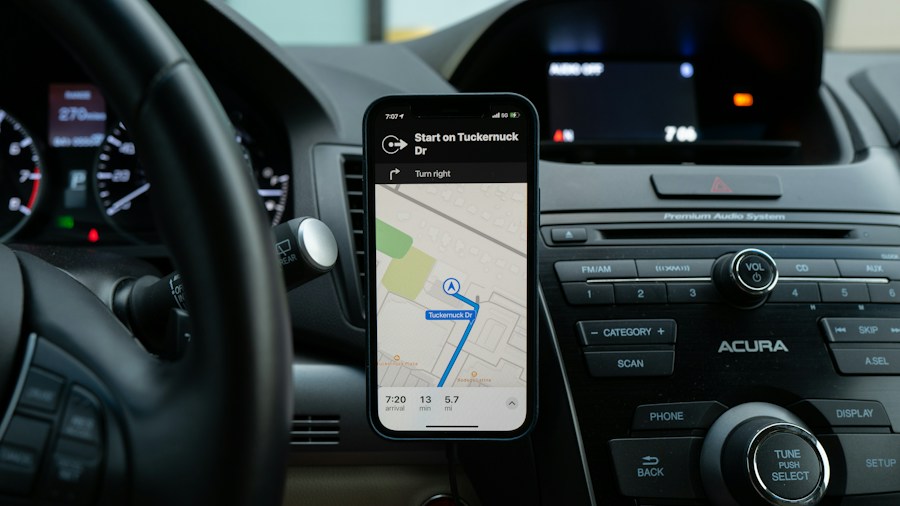
The standout feature is how GM has integrated CarPlay and Android Auto with its native system. Rather than completely replacing the dashboard interface, phone projection appears in a card window alongside native GM applications like vehicle status information and trailering controls. This hybrid approach means you get the best of both worlds: the functionality and familiarity of your smartphone’s apps combined with vehicle-specific features that only a manufacturer’s native system can provide.
One limitation worth noting: the integrated CarPlay interface likely won’t expand to fill the entire display screen as it does in vehicles from other automakers. However, this compromise still represents meaningful progress for GM buyers who had no access to these platforms at all.
Why This Matters for Shoppers
The return of CarPlay and Android Auto addresses one of the primary complaints GM owners and prospective buyers had raised. These platforms offer access to third-party navigation apps, music streaming services, messaging, and hands-free calling through your vehicle’s touchscreen. For many drivers, smartphone integration has become a dealbreaker feature when shopping for a new car.
GM’s earlier stance of omitting these services seemed increasingly out of step with customer expectations. While the company championed its proprietary system, shoppers simply wanted options. The ability to use familiar navigation and communication tools they already rely on their phones for makes the driving experience more intuitive and convenient.
This decision also signals to the broader automotive industry that smartphone integration is non-negotiable. Luxury brands, truck manufacturers, and economy car makers have all embraced CarPlay and Android Auto as essential features. GM’s reversal confirms that fighting this trend was ultimately futile and that consumers vote with their purchasing decisions.
Implementation Timeline and Expectations
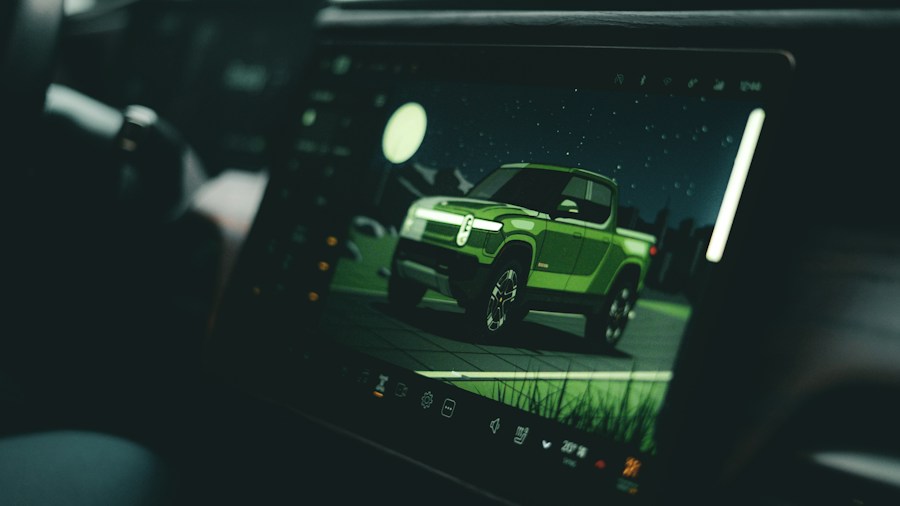
The rollout will begin with GM’s truck lineup, which represents a significant portion of the company’s sales and profit. Trucks are popular vehicles where buyers often spend extended time driving and value connectivity features highly. Following successful integration in trucks, the updated infotainment system with CarPlay and Android Auto support will expand across GM’s broader portfolio of sedans, SUVs, and other vehicle categories.
For existing GM owners, this news may sting slightly if their vehicles lack these features. However, the implementation in new models will immediately provide the integration many customers wanted. If you’re considering purchasing a new GM vehicle and smartphone integration matters to you, this development removes a significant barrier to choosing the brand.
The updated interface design also addresses other user experience pain points beyond just adding CarPlay and Android Auto. The simplified menu structure and improved contrast make the system easier to navigate while driving, potentially reducing distraction and improving safety. These quality-of-life improvements complement the return of phone integration features.
Bottom Line for Buyers
GM’s decision to restore CarPlay and Android Auto represents a customer-focused correction that should satisfy many shoppers who were disappointed by the company’s previous stance. The hybrid integration approach balances smartphone connectivity with manufacturer-specific vehicle features, creating a more flexible user experience than pure smartphone mirroring offers.
If you’ve been waiting to purchase a GM vehicle but wanted modern phone integration, this is good news. The feature rollout beginning with trucks means you won’t have to wait long to see it available across most of the company’s lineup. For those who considered GM’s lack of CarPlay and Android Auto a dealbreaker, the company has finally listened to customer feedback.











Write Your Review
No reviews yet. Be the first to share your experience!