

Google Maps on Android Auto Gets Its Most Significant Update in Years
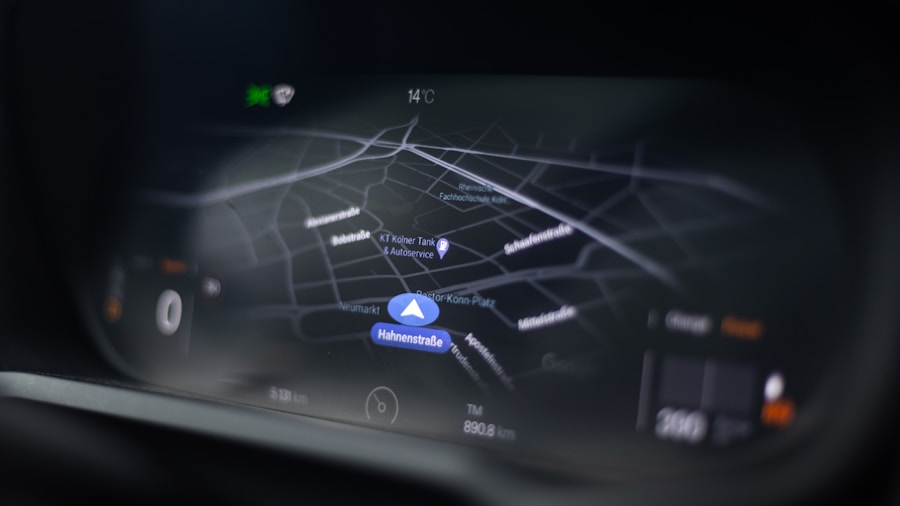
If you rely on Google Maps for navigation while driving, major changes are coming to your Android Auto experience. Google has begun rolling out what may be the most substantial update to Maps on the Android Auto platform in years, introducing a feature called Immersive Navigation that fundamentally changes how drivers interact with turn-by-turn directions.
What Is Immersive Navigation?
Immersive Navigation delivers a three-dimensional rendering of the road ahead and the surrounding environment. Instead of a flat, traditional map view, the display now shows flyovers, buildings, lane markings, trees, terrain, and landmarks in full 3D models. This gives drivers a clearer, more intuitive picture of exactly where they need to go and what to expect on the road ahead.
For drivers who frequently navigate unfamiliar routes or new cities, this enhancement makes following directions significantly easier. The 3D perspective helps you understand the spatial layout of intersections and highway exits before you reach them, reducing confusion and the need to glance away from the road. If you’re looking to upgrade your Android Auto setup, now is an excellent time to invest in a quality wireless adapter or vehicle integration system.
Rolling Out Gradually to U.S. Users
The rollout began in July when the feature was first spotted in Android Auto version 17.3. However, simply updating your Android Auto app will not automatically unlock Immersive Navigation. Google is deploying this feature through server-side updates, meaning it arrives on your device over time rather than all at once.
Google announced the feature back in March alongside another AI-powered capability called Ask Maps, which lets you pose questions about locations and even complete tasks like making restaurant reservations. At that time, the company indicated that Immersive Navigation would roll out gradually to both CarPlay and Android Auto users. Even users running beta versions of Google Maps and Android Auto have reported not yet having access to the feature.
The good news: if you live in the United States, you should receive the update in the coming months. Google Maps on Android Auto, along with the iOS version, CarPlay, and vehicles with Google built-in technology, are all scheduled to get this feature. Unfortunately, Google has not announced a timeline for a global rollout outside the U.S. market at this time.
What This Means for Your Driving Experience
For shoppers who spend considerable time on the road, this update removes a key reason to switch between navigation apps. While alternatives like Waze and Polaris offer valuable features, Google Maps has maintained its position as an essential tool for drivers visiting unfamiliar areas. The Immersive Navigation feature strengthens that position by making the app more intuitive and easier to use without taking your attention away from the road.
The feature is designed to work seamlessly on newer vehicles with modern infotainment systems and touchscreens. If your car features a large display screen and supports Android Auto, you’ll benefit most from the three-dimensional rendering. Drivers with older vehicles or smaller screens may experience a less dramatic improvement, though the feature should still enhance navigation clarity.
Preparing for the Rollout
There’s nothing you need to do to prepare. Simply keep your Android Auto application updated to the latest version, and the Immersive Navigation feature will arrive automatically as Google deploys it. Since the rollout is server-side, checking for app updates repeatedly won’t speed up the process.
In the meantime, if you’re considering upgrading your vehicle’s audio or navigation setup, this is a solid opportunity. Investing in quality speakers and sound systems that complement your Android Auto experience ensures you can hear turn-by-turn directions clearly, especially at highway speeds.
The Bottom Line
This update represents a meaningful evolution in how drivers interact with navigation technology. The three-dimensional visualization of road environments and landmarks makes directions clearer and reduces driver distraction, which improves safety and reduces missed turns. U.S. shoppers should expect to see this feature arrive on their devices over the next few months as Google continues its gradual deployment strategy.











Write Your Review
No reviews yet. Be the first to share your experience!