

The SEMA Show, one of North America’s largest automotive aftermarket exhibitions, attracts thousands of tire dealers and service center operators each year. But attending the event without a clear business purpose can waste time and money. Industry leaders emphasize that successful participation requires a strategic approach focused on how new ideas, equipment and services can drive growth back at your local shop.
Planning Your SEMA Visit Around Business Goals
About 80 percent of SEMA attendees arrive with specific objectives in mind, according to event organizers. For tire dealers, this means thinking beyond flashy displays and instead evaluating how innovations can address real operational constraints. The primary focus should center on three limiting factors that control shop profitability: technician availability, service bay capacity and revenue generation per bay.
The New Product Showcase offers an efficient starting point. Attendees can enter this curated section at 7:30 a.m., before the main show floor opens at 9 a.m., giving you time to create a priority list of products and vendors worth exploring in depth. This advance scouting prevents you from wandering aimlessly through thousands of booths and helps ensure your show hours connect directly to decisions you might make back home.
Adjacent Services: Expanding Revenue Without Major Overhaul
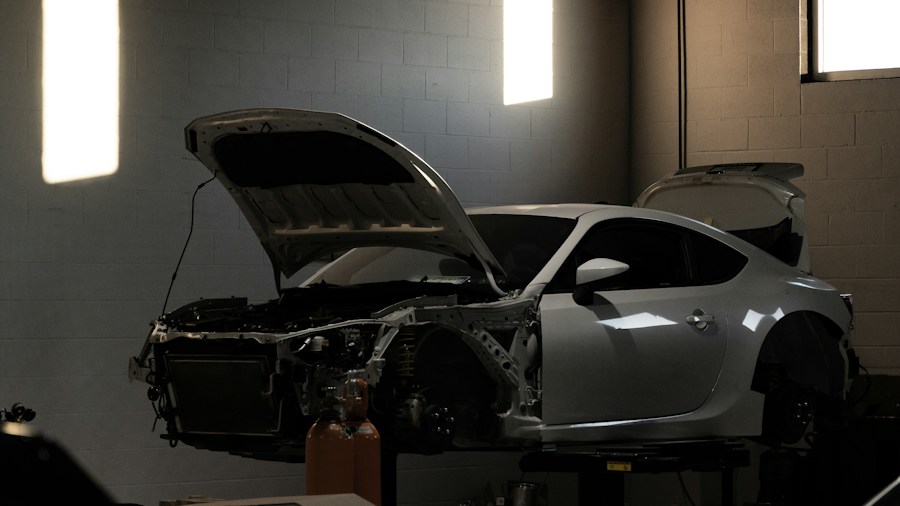
Many tire shops send certain services to outside specialists that could potentially be handled in house. Paintless dent repair, window tinting and vehicle wrapping are examples where tools and processes continue to evolve. SEMA gives you the chance to see equipment firsthand, speak with specialists and understand the training and staffing requirements before committing.
The key question: does this adjacent service fit your existing customer base and workflow? Simply offering a new capability is not enough; profitability depends on whether your staff can transition between tasks, whether local demand exists and whether the economics make sense. Understanding tire product advances is one thing, but knowing how to bundle services around tire work is where real shop growth happens. SEMA allows you to gather the practical details needed to evaluate that fit in person rather than relying on marketing materials or online research.
Modified Vehicles and Service Complexity
Tire dealers operate at the intersection of vehicle modification and repair service. More customers are bringing in lifted, lowered or otherwise modified vehicles, and these modifications create service requirements that extend far beyond the tire itself. A lifted truck may need brake recalibration or suspension adjustments. A lowered vehicle might present alignment challenges or rubbing concerns.
SEMA addresses both the practical repair aspects and the industry’s right-to-modify advocacy. For shop owners, the takeaway is recognizing that vehicles function as integrated systems. When a customer arrives with a modified vehicle, you need to understand the broader service implications. Modern vehicles require understanding of how systems interact, which becomes even more critical as aftermarket modifications become more common. SEMA offers education on these connections, helping you make informed decisions about what work you can safely perform versus what requires specialist expertise.
Peer-to-Peer Learning and Real-World Solutions

Not all value at SEMA comes from vendor booths. The conversations you have with other tire dealers, distributors and industry professionals often provide the most actionable insights. Other shop owners can tell you whether a specific piece of equipment delivers on its promises, how much implementation actually costs compared to advertised prices and what unexpected challenges they encountered.
Discussions about business struggles are particularly valuable. A peer might describe how they successfully integrated a new service, what training proved necessary and how it impacted their bottom line. A distributor might reveal customer trends or demand patterns you have not yet observed in your market. Emerging vehicle technologies also create new service opportunities, and conversations at industry events help you prepare for changes coming to your shop. These practical exchanges provide context that no product specification sheet can offer.
What This Means for Your Shop
The most successful SEMA attendees leave with concrete action items: a specific piece of equipment to investigate further, a service to pilot, contact information for a potential vendor or supplier, or simply a clearer understanding of where the industry is heading. The show only delivers value if you invest time before attending to define what success looks like for your business.
For tire shoppers and consumers, understanding how your local dealer is approaching business growth matters. Shops that strategically evaluate new services and equipment tend to offer better customer experiences and more comprehensive solutions. When you see your tire dealer investing in training and new capabilities, that often reflects attendance at industry events and a commitment to staying current with vehicle technology and customer needs. The next time you visit your local tire shop, ask what services they have added recently or what changes they are planning. You might discover new options that improve your vehicle’s performance and safety.











Write Your Review
No reviews yet. Be the first to share your experience!