

Advanced automotive climate control systems have become essential to vehicle performance, and a new training program is helping technicians understand why. Autel U.S. recently announced a full-day workshop in Port Washington, New York, aimed at educating automotive professionals on how modern HVAC systems now regulate far more than cabin temperature. For vehicle owners and fleet managers, understanding these advancements matters because they affect reliability, repair costs, and overall vehicle longevity.
What Changed in Automotive HVAC Systems
Today’s vehicles rely on climate control systems to manage temperatures for batteries, power electronics, computers, and other critical components. This is especially true in hybrid and electric vehicles, where thermal management directly impacts battery performance and lifespan. Traditional diagnostic methods were never designed for this level of complexity, leaving many shop technicians without the proper tools to identify and fix these intricate systems efficiently.
The gap between how HVAC systems have evolved and how technicians diagnose them has grown wider each year. What used to be a straightforward cooling and heating job now involves interconnected thermal networks that support the entire vehicle’s electrical ecosystem. This evolution means that when something goes wrong, customers face longer diagnostic times and potentially higher repair bills.
How New Diagnostic Approaches Help Shoppers

The training program focuses on the MaxiHVAC AC909, a diagnostic tool designed to bridge the gap between traditional A/C service methods and modern vehicle requirements. The AC909 combines refrigerant pressures, temperatures, humidity measurements, and vehicle diagnostic data into a single graphical display, allowing technicians to see the complete picture of how the HVAC system is operating.
For shoppers, this matters because better diagnostic tools mean faster, more accurate repairs. Instead of guessing or replacing expensive components unnecessarily, technicians can pinpoint exactly where a problem exists. This translates to lower labor costs and fewer wasted parts. Additionally, understanding system performance helps ensure your vehicle runs at peak efficiency, which supports fuel economy and reduces strain on all vehicle systems, including tires through improved handling characteristics.
Coverage for All Vehicle Types
The training addresses HVAC diagnostics across internal combustion engine vehicles, hybrids, and fully electric models. Each platform presents unique thermal management challenges. Electric vehicles, for instance, use heat pump systems that are entirely different from traditional A/C setups. Hybrid vehicles layer complexity by switching between engine-driven and electric climate control. Fleet owners and individual shoppers alike benefit when technicians understand these distinctions, because the right diagnosis prevents costly mistakes.
Topics covered include compressor and condenser diagnostics, evaporator and metering-device analysis, electronically controlled system components, and specialized refrigerant leak detection techniques. These guided workflows help technicians move through diagnostics systematically rather than trial-and-error approaches that waste time and money.
What This Means for Vehicle Owners and Fleet Managers
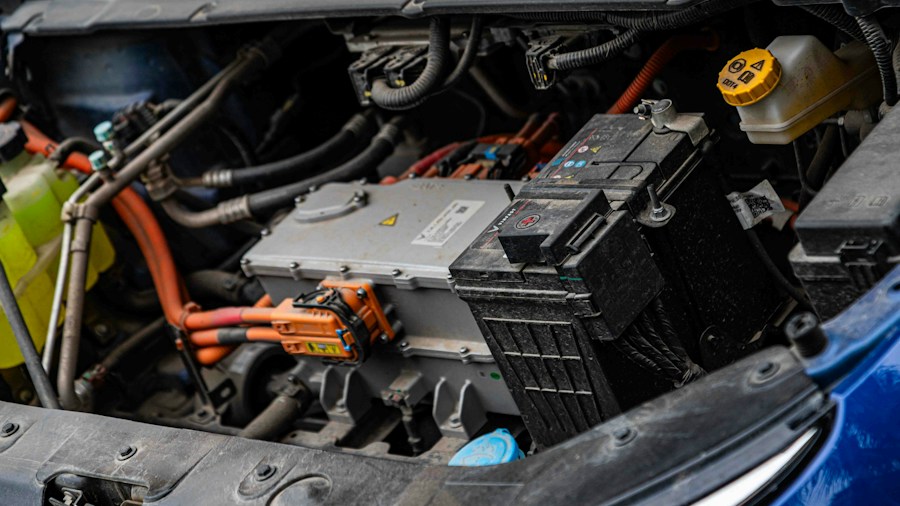
As vehicles become more sophisticated, the skill gap between shops that have invested in training and tools versus those using outdated methods widens. Owners who take their vehicles to shops where technicians stay current with diagnostic technology benefit from quicker turnarounds and more reliable repairs. Fleet managers, in particular, should seek service providers whose teams attend industry training, since downtime directly impacts their bottom line.
The cost of diagnostic errors has risen alongside vehicle complexity. Misdiagnosing a thermal management issue could lead to unnecessary replacement of an expensive component, or worse, repeated failures because the root cause was never identified. Modern diagnostic tools and properly trained technicians help prevent these expensive mistakes. When you’re choosing a repair shop, asking whether their technicians have completed advanced HVAC training is a practical question that could save you hundreds or thousands of dollars over your vehicle’s lifetime.
The relationship between climate control systems and overall vehicle performance also extends to tire condition. Proper tire maintenance and selection remain crucial for handling and safety, and vehicles with well-functioning thermal management systems maintain more consistent tire temperatures, which supports even wear and longer tire life.
Industry Recognition of the Change
Industry professionals have described this shift in diagnostic capabilities as transformational. Educators and experienced technicians recognize that the gap between old and new diagnostic methods represents a fundamental change in how automotive service will be conducted going forward. This recognition underscores why training and tool investment matters for any shop serious about serving customers well.
Vehicle owners benefit most when shops embrace these advancements. Whether you drive a standard gas-powered car, a hybrid, or an electric vehicle, you want your service provider to fully understand your vehicle’s thermal systems. The next time you need HVAC service, ask your technician about their training and diagnostic capabilities. That conversation could reveal whether your shop is ready for today’s vehicles or still operating with yesterday’s knowledge.











Write Your Review
No reviews yet. Be the first to share your experience!