

California’s new Replacement Tire Efficiency Program is designed to reduce fuel consumption and carbon emissions by requiring replacement tires to meet lower rolling-resistance standards. The regulation sounds straightforward on the surface, but independent analysis reveals that actual costs to consumers could differ dramatically from official projections, particularly for budget-conscious shopayers buying economy tires.
The $153 Savings Claim Needs Closer Inspection
State officials estimate that a typical passenger-car tire buyer will save approximately $179 in fuel costs over the life of a set of tires, offsetting about $26 in additional tire costs for a net savings of roughly $153. However, tire manufacturers analyzing compliance costs paint a more complex picture. The actual savings depend heavily on which tires you buy, your driving patterns, and how manufacturers choose to meet the new standards.
Tire makers will have multiple engineering pathways to comply with the rolling-resistance requirement. They can invest in advanced rubber compounds and lighter materials, reduce tread depth, modify casing construction, or combinations of these approaches. Each choice carries different cost and durability implications that the $153 average does not capture. When you factor in real-world manufacturing costs, some economy tires could see price increases of 21 percent or more, while shorter tread life might require more frequent replacements over time.
Budget Tire Buyers Face the Biggest Impact
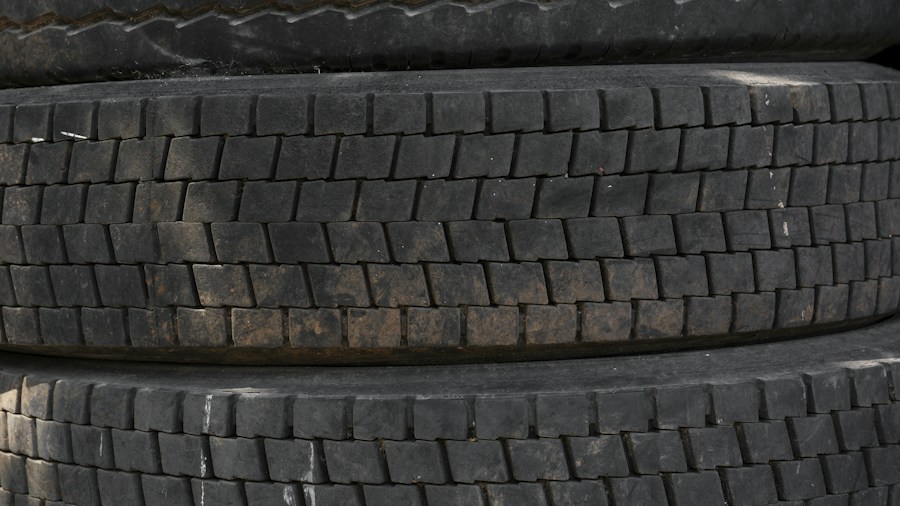
The consumers least equipped to handle price increases are likely to bear the heaviest burden. In California’s market, approximately 95 percent of replacements in the common 195/65R15 size are budget tires priced around $64, and roughly 73 percent of vehicles using these tires are model year 2014 or older. These vehicles typically belong to everyday consumers who depend on affordable replacements.
For a $64 tire, even a $10 to $20 increase represents a significant percentage jump in cost. Manufacturers of budget tires have far less financial room to absorb compliance costs while maintaining price points that price-sensitive customers expect. Meanwhile, premium tire buyers at the $250 price point can more easily accommodate cost increases while benefiting from advanced technologies that maintain mileage and performance. This creates a real fairness question: Are California’s regulations inadvertently hitting the consumers least able to pay?
Tire Life and Cost Per Mile Matter Too
Another critical variable is tire longevity. If rolling-resistance improvements come partly from reducing starting tread depth, tires may reach replacement depth sooner, requiring more replacements over the same mileage. This dramatically changes the lifetime cost picture. In some scenarios, the cost per mile of driving could increase by 51 percent or more, meaning you might need 25 percent more tires to travel the same distance. That negates much of the fuel savings and increases the environmental impact of manufacturing and disposing of additional tires.
The regulation measures rolling resistance on new tires in the laboratory, but you drive worn tires in the real world. Tire dealers can help explain how these differences affect your actual ownership costs, including expected mileage and monthly tire expenses.
Tire Pressure Could Offer an Alternative Opportunity
Manufacturers point out that another significant efficiency opportunity exists: keeping tires at the vehicle maker’s recommended inflation pressure. Historical data shows that underinflation was once widespread, and even with modern tire-pressure monitoring systems, some underinflation persists. Restoring underinflated tires to proper pressure delivers rolling-resistance benefits without requiring tire redesigns, tread changes, or price increases. This approach could reach benefits at approximately 50 percent of the regulation’s projected scale without any of the cost, durability, or supply-chain impacts.
Safety Performance and Engineering Trade-offs
Tires are safety-critical products that must balance rolling resistance against wet-weather grip, hydroplaning resistance, tread life, handling, and towing capability. Different engineering responses to the regulation produce different real-world outcomes. Reducing tread depth improves rolling resistance but may compromise wet performance and mileage. Increasing tread to qualify for exclusions can extend tire life but may affect handling. Advanced compounds preserve performance but at costs that hurt budget tire categories most.
Tire retailers are preparing to explain these trade-offs to customers so you understand exactly what changes and why.
Market Responses May Reshape the Program
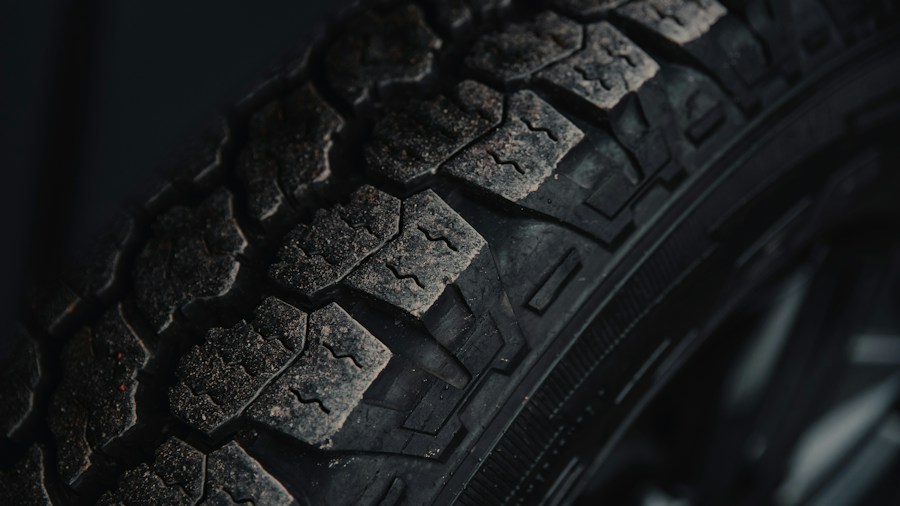
Manufacturers may respond to the regulation by redesigning products to qualify for exemptions, such as all-weather or light-truck categories. If significant market share shifts to excluded products, the regulation’s real-world environmental benefit could be smaller than projected. This creates an important question: Will California achieve its stated fleet-wide emissions reductions, or will the actual impact depend on factors beyond the regulation itself?
What Shoppers Should Do Now
As dealers prepare for these changes, ask detailed questions about tire pricing, expected mileage, cost per mile, and performance characteristics when you shop. Understand that modeled fuel savings are projections, not guarantees, and that your actual experience depends on your specific vehicle, driving habits, and maintenance. Keep tires properly inflated per your vehicle’s placard, not the tire sidewall, as this single step can significantly improve fuel economy regardless of tire type. Watch for dealer tools and training resources that explain how California’s new requirements affect your specific replacement needs and what you should expect to pay.











Write Your Review
No reviews yet. Be the first to share your experience!