

When you walk into a tire shop to buy new rubber, you probably don’t think about the behind-the-scenes strategy that got those tires on the shelves or how the dealer got trained to sell them. But a major shift in how tire manufacturers work with independent retailers is changing the customer experience, and understanding this shift can help you make smarter purchasing decisions.
The Strategy Behind What You See in the Shop
Leading tire makers are now using a simple but powerful internal question to guide their decisions: does this sell tires? On the surface, it sounds obvious, but this approach represents a meaningful change in how manufacturers think about supporting the dealers who ultimately serve you. Rather than pushing programs that look good on paper, manufacturers are asking whether their investments actually help dealers move inventory and grow their businesses. That matters to you because a thriving dealer network means better service, more knowledgeable staff, and shops that can afford to invest in their communities.
Manufacturers are also tapping into feedback from dealer councils and direct customer conversations to refine their programs continuously. This two-way communication ensures that the support systems in place address real challenges that dealers face, which translates into better preparation when you arrive ready to purchase tires.
Gold Dealer Programs and What They Mean for Shoppers
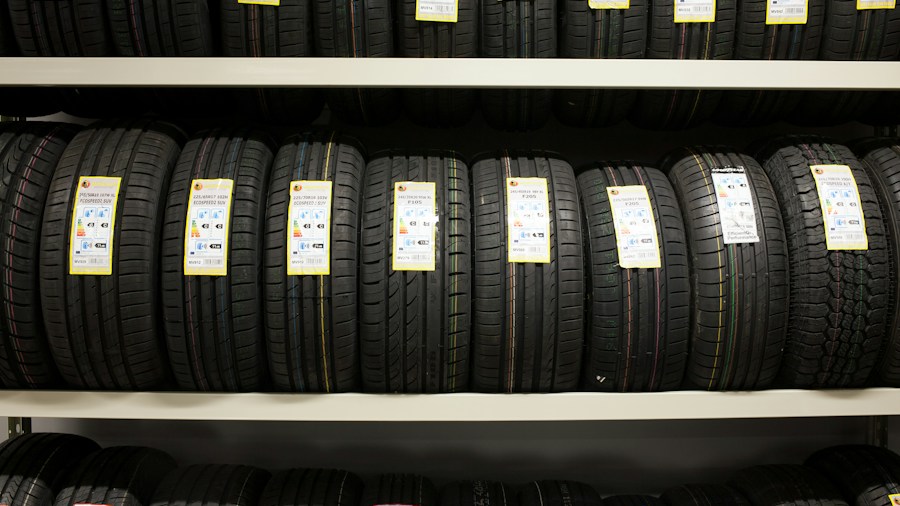
One of the cornerstones of this new partnership model is the Gold Dealer program, which has expanded significantly over recent years. These programs now bundle sales incentives, training modules, dealer marketing resources, consumer support programs, financing options, and business management suites into a comprehensive package. While dealers benefit directly from these tools, you benefit indirectly. A dealer with access to formal training understands tire technology, durability ratings, and performance characteristics more thoroughly. That knowledge gets passed on to you during your purchase conversation.
Independent tire shops that lack the resources of large chains can access tools and benefits through these programs that they might not afford on their own. This levels the playing field, meaning a neighborhood tire shop can offer you the same quality of advice and support as a bigger retailer. Strategic dealer growth initiatives are also helping shops expand their service offerings, which means more options and convenience for consumers shopping locally.
Understanding Premium Tire Value
Tire manufacturers define value as the relationship between a brand’s promise and its price. When a salesperson quotes a higher price for a premium tire, they should be able to explain what you’re paying for. That explanation should cover the technology embedded in the tire, the rigorous testing it has undergone, and the research and development that went into its design. It should also include consumer support programs like roadside assistance plans and warranty coverage.
The challenge for dealers is that you typically make your tire purchase decision in a relatively short window. You’ve noticed a problem, you’ve decided to buy new tires, and you want the process done quickly. Manufacturers are now equipping dealers with better tools and talking points to communicate these value differences efficiently. Recent tire launches highlight how product innovation continues to raise the bar on what premium options deliver. When a dealer explains the difference between a budget tire and a premium option, they’re drawing on manufacturer-provided training and resources to help you understand whether the extra investment makes sense for your driving habits and vehicle needs.
How This Affects Your Buying Experience
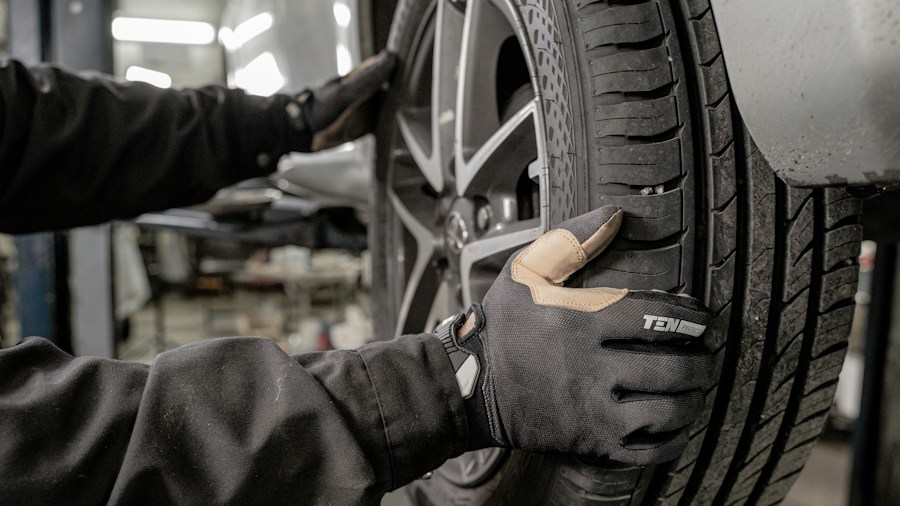
The combination of premium products, strong consumer support, and improved dealer partnerships creates a more consistent experience across different tire shops. Whether you visit a single location or a multi-store operation, the training, resources, and support systems are similar. You’ll encounter staff who understand the technology behind what they’re selling and can confidently stand behind their recommendations. That’s not marketing hype; it’s the result of manufacturers investing in dealer success as a business strategy.
Dealers also have better access to financing options and flexible payment plans through these partnerships. If you’re hesitant about the upfront cost of premium tires, your local shop can now offer more choices than they might have a few years ago. The goal is to remove obstacles between you and the best tire choice for your situation.
What This Means Going Forward
Tire manufacturers are also differentiating themselves through consistent dealer partnerships, broad vehicle coverage across different tire sizes and types, and continued product innovation. This competitive pressure is healthy for you as a consumer. Emerging vehicle technologies are pushing manufacturers to develop new tire solutions, and strong dealer networks ensure these advances reach market efficiently.
The next time you’re shopping for tires, pay attention to the quality of the conversation you have with your dealer. Ask about the testing and technology behind their recommendations. Inquire about warranty coverage and consumer support programs. You’ll likely find that your local tire shop has more knowledge and resources at their disposal than ever before, and that benefits you directly through a more informed purchase.











Write Your Review
No reviews yet. Be the first to share your experience!