

Managing Laundry in Limited RV Space
Doing laundry while traveling in an RV presents a unique challenge that most home dwellers never face. Wet towels, swimsuits, and accumulating clothing can quickly overwhelm the compact bathroom and bedroom spaces in an RV, especially when the nearest laundry facility is several miles away. The good news is that modern RV travelers have multiple strategies to choose from, and understanding each option helps you pick the right approach for your specific trip.
For weekend getaways, you may only need to handle wet swimwear or a small load before returning home. Seasonal travelers and full-timers, however, require a dependable routine that works across different campgrounds and locations. The most effective solution typically combines several methods rather than relying on a single approach for every load.
Your Main Laundry Options Explained
Campground laundry rooms and local laundromats remain the easiest choice for handling large loads, bulky towels, and bedding. These facilities work best when machines are available and functioning properly. Local laundromats, in particular, offer larger capacity machines that can tackle multiple loads at once, making them ideal for catching up on accumulated laundry.
Many RVers now use wash-and-fold services on busy travel days when exploring takes priority over chores, though this option typically costs more than handling laundry yourself. For those planning extended stays, an onboard RV washer or portable washing unit can manage small, frequent loads, though these require careful attention to water supply, drainage, and adequate drying space.
Boondocking without hookups requires a different approach. Hand-washing lightweight essentials like socks, underwear, and a single shirt works in these situations, but larger items such as towels, jeans, and bedding should wait until you reach a proper laundry stop. Always follow local rules regarding wash-water disposal to protect the environment.
Building a Practical RV Laundry System
Start with a compact, portable laundry bag or hamper that fits into a closet, bathroom, or storage compartment without consuming precious space. Keep damp items like towels and swimsuits separate and hanging to dry immediately. This prevents moisture and odors from spreading to the rest of your clothing.
Pack only essential supplies: detergent sheets or a small sealed container, a stain-treatment stick, and a mesh bag for socks or delicate items. Before heading to the laundry room, gather your phone, wallet or payment card, and any coins you might need. Payment methods at laundry facilities have evolved significantly; many now use card kiosks or mobile apps like PayRange or ShinePay rather than coins alone.
A collapsible basket or wagon serves double duty as both storage and a transport method for clean clothes. When visiting shared laundry facilities, inspect machines before loading, use the right size for your load, and check the payment system beforehand. Going early in the morning or on weekdays typically means less crowding and shorter waits.
Portable and Built-In Washer Considerations
Onboard RV washers and portable washing units work best for frequent small loads during longer stays, not for heavy fabrics or week-long accumulations. Keep loads lightweight, follow manufacturer instructions carefully, and know exactly where wash water will drain before you start a cycle. RV power systems and appliance management have become increasingly important topics for modern travelers, and built-in washers deserve the same careful consideration you’d give to any major installation.
Manual hand-powered washers and wash bags like the WonderWash and Scrubba Wash Bag are useful for a few essentials during off-grid camping, but they cannot replace a laundromat when dealing with bedding, towels, or several days of clothing. Plan your drying strategy before washing, since clothes from portable units often come out much wetter than standard machines, requiring more time and space to dry.
Drying Without Creating Moisture Problems

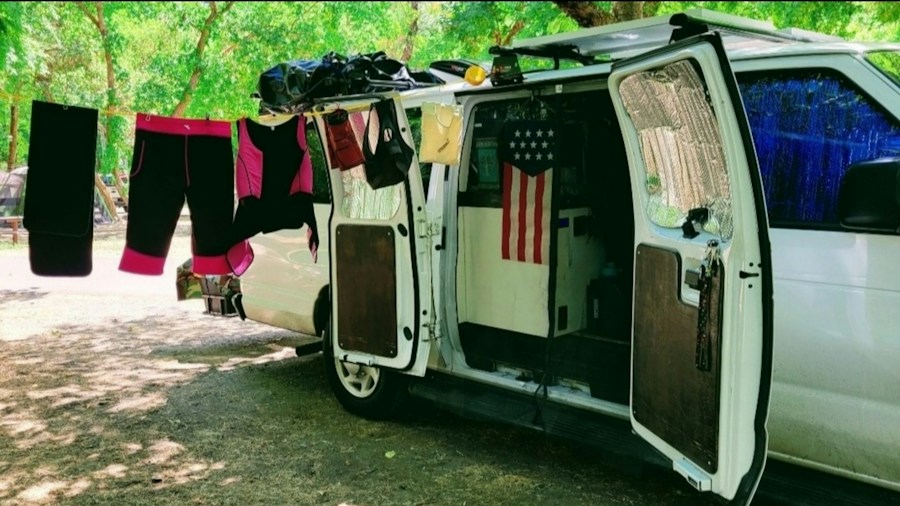
Drying often proves harder than washing in an RV environment. Use a campground or laundromat dryer for bulky items and heavy fabrics like towels, bedding, and jeans. For small loads on nice days, air-dry outside under the awning using a compact drying rack, but always check campground rules first.
Indoor drying requires ventilation. Run a roof vent or exhaust fan and open windows when possible. Spread items out rather than stacking them. Never drape wet clothing over furniture, mattresses, or cabinet doors where moisture can linger and cause damage. Understanding RV features and options helps you make informed decisions about which models suit your lifestyle, including washer and dryer combinations.
A portable spin dryer removes much water before air-drying, reducing indoor drying time significantly. However, it requires electrical power and a safe drainage location.
Keep Laundry From Consuming Your Trip
The key to RV laundry success is choosing the option that matches your specific trip and staying ahead of accumulation. Small loads handled promptly are far less overwhelming than letting them pile up. Between campground facilities, portable solutions, and hand-washing options, you have the flexibility to keep clothes fresh without devoting an entire travel day to laundry chores. This leaves more time for the adventures and experiences that motivated you to hit the road in the first place.











Write Your Review
No reviews yet. Be the first to share your experience!