

The RV industry is shining a spotlight on off-grid power solutions this November, with a Texas-based manufacturer hosting back-to-back events designed to educate owners and professionals alike. Big Beard Battery, a lithium power systems specialist, is hosting two major gatherings that reveal important trends in how RV shoppers are thinking about independence and reliability on the road.
New Rally Focuses on RV Lifestyle and Community
Big Beard Battery’s inaugural Tune Up and Turn Out Rally runs November 10 through 13 at Road Life Complex in Athens, Texas. Unlike traditional RV rallies built around vendor booths and sales pitches, this event centers on experience and connection among attendees. The company invited RVers from across the country to participate in group activities, meet fellow enthusiasts, and learn about power systems in a relaxed, community-focused setting.
The rally welcomes everyone from experienced boondockers with substantial off-grid setups to owners who typically use campground hookups but want backup power options. Activities include the Power Crawl, where attendees tour each other’s RV power installations; Power Olympics competitions; campfire socials; a chili and brisket cook-off; and system tune-ups. Rather than separating sponsors into a traditional marketplace, the company wove partner companies throughout the event so attendees naturally interact with brands that serve RV owners in different ways.
This approach signals what many RV buyers are now realizing: power independence matters. As more travelers seek flexibility between boondocking and campground stays, understanding lithium battery options, solar integration, and system design has become a practical necessity rather than a luxury consideration.
Industry Professionals Get a Hands-On Learning Opportunity

Less than two weeks later, Big Beard Battery shifts focus to the professionals who service RVs. The company is sponsoring the 2026 RVTAA/NRVIA Expo, November 21 through 24, which brings together members of the RV Technicians Association of America and the National RV Inspectors Association for professional development and networking. As part of this sponsorship, the manufacturer will host a facility tour and training session on November 24 for approximately 100 RV technicians and inspectors.
During the facility visit, participants rotate through stations covering battery assembly and construction, RV power system installation best practices, troubleshooting and diagnostics, a fully equipped demonstration fifth wheel, and dealer and installer qualification pathways. This direct access to manufacturing expertise and real-world troubleshooting knowledge gives service professionals tools they need to help their customers make informed decisions about power systems.
For RV shoppers, this matters because the technicians and inspectors who evaluate your vehicle are now gaining deeper insight into modern lithium power architecture. When you work with a service provider trained on current battery systems and integration methods, you’re more likely to receive accurate advice about upgrades and maintenance.
What This Means for RV Buyers Right Now
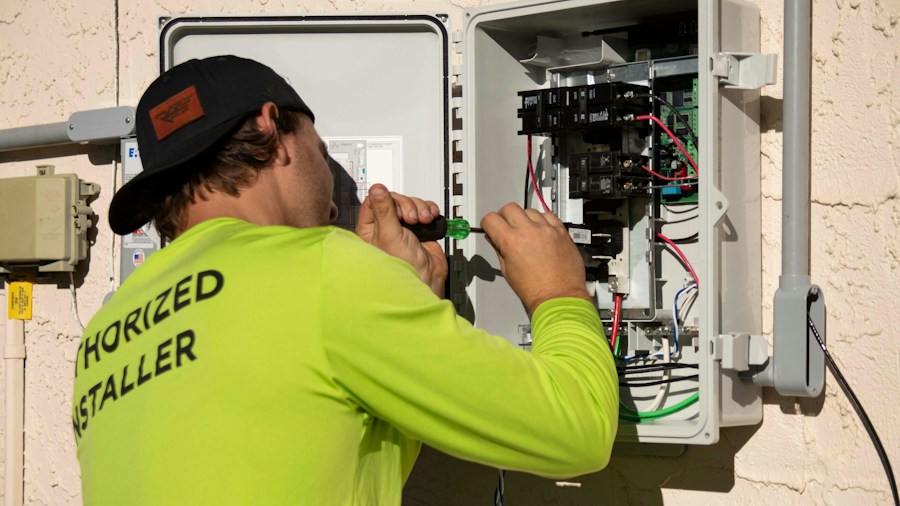
These November events reflect a broader shift in the RV market toward power independence and system reliability. Manufacturers are investing heavily in educating both consumers and industry professionals because demand for off-grid capability continues to grow. Whether you plan to boondock full-time or simply want backup power for occasional dry camping, understanding your options has become essential.
The focus on lithium battery systems, solar integration, and professional installation also indicates that RV power is no longer a DIY afterthought. Modern systems require proper design, qualified installation, and ongoing technical support. When evaluating your own RV power needs, look for dealers and service providers who have stayed current with these developments. Recent shifts in RV dealership sales training and modern buyer tools are also helping salespeople better match customers with appropriate power solutions based on their actual travel plans.
If you’re shopping for an RV or considering a power system upgrade, ask your dealer or service provider whether they’ve participated in recent industry training. Request clear explanations of how battery systems, inverters, and solar components work together. Understand the difference between lithium and traditional lead-acid setups, including long-term cost implications. And don’t hesitate to ask about warranty coverage and technical support options, since these systems require proper maintenance.
The November events also underscore that RV ownership is evolving from a focus on the vehicle itself toward a focus on lifestyle capability. You’re not just buying an RV anymore; you’re investing in the freedom to travel where you want, when you want, without depending entirely on developed campground infrastructure. That freedom increasingly relies on reliable power systems backed by professional support and industry expertise.
Planning Your Next Steps
Whether you’re a current RV owner curious about power upgrades or a prospective buyer evaluating your options, this is a good time to educate yourself. Visit manufacturer websites to compare lithium battery specifications and pricing. Ask your local RV service center about their experience with modern power systems. Connect with RV communities online to hear real-world experiences from owners using various setups.
The growing attention to power systems and professional training signals that the RV industry recognizes this capability as central to customer satisfaction. By understanding these systems before you buy or upgrade, you’ll make decisions that truly match your travel style and budget for years to come.











Write Your Review
No reviews yet. Be the first to share your experience!