

The Evolution of Dodge’s Most Powerful Sedan
The Dodge Charger SRT Hellcat has earned its reputation as one of the most formidable four-door sedans ever created. Since its debut in 2015, this muscle car has undergone significant transformations, with power outputs that have climbed higher with each generation. Whether you are considering a purchase or simply curious about what makes these vehicles stand out, understanding the differences between model years is essential.
The Original Narrow-Body Era (2015-2019)
When Dodge introduced the Charger SRT Hellcat for the 2015 model year, it represented a watershed moment in automotive performance. The company paired a 6.2-liter supercharged Hemi V8 engine with an eight-speed automatic transmission, delivering 707 horsepower and 650 lb-ft of torque. These early models could accelerate from 0 to 60 mph in approximately 3.6 seconds and exceeded 204 mph at top speed, making them extraordinarily quick for a full-size sedan.
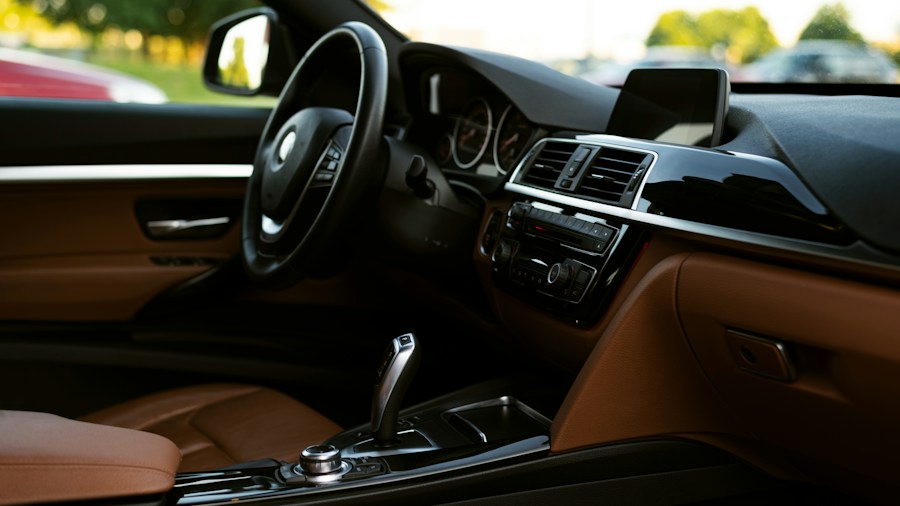
The 2015 refresh was comprehensive, featuring redesigned body panels, a new front fascia, and LED headlights throughout the lineup. Inside, the cabin received premium upholstery and an updated Uconnect infotainment system that supported both Apple CarPlay and Android Auto. The Charger also gained modern safety features including forward collision warning and adaptive cruise control.
Between 2016 and 2018, cosmetic upgrades continued with new aluminum wheels that reduced unsprung weight. However, the 2019 model year brought the most significant mechanical enhancements to the narrow-body generation. Dodge introduced a performance front grille with dual air inlets, Launch Control, Launch Assist, Line Lock, Torque Reserve mode, and the Race Cooldown system that kept the supercharger cool even after shutdown. These technologies transformed the driving experience and track capability for owners who wanted maximum performance.
The Widebody Transformation (2020-2023)
Starting in 2020, Dodge shifted the Charger SRT Hellcat lineup to widebody configuration exclusively. The new styling added 3.5 inches of width through integrated fender flares, accommodating 20-by-11-inch forged wheels wrapped in wider Pirelli performance tires. This was far more than a cosmetic change; the wider stance improved cornering grip and high-speed stability significantly.
The 2020 model year also introduced the Daytona 50th Anniversary Edition, limited to just 501 units and inspired by the iconic 1969 Dodge Charger Daytona. More importantly, this special edition featured a recalibrated engine that raised output to 717 horsepower, which subsequently became the standard for all SRT Hellcat models going forward. The widebody platform could accelerate through a quarter-mile in 10.96 seconds and achieve 0.96 g on a skidpad, proving its handling credentials.
For 2022 and 2023, Dodge introduced the Jailbreak trim level, offering unprecedented personalization options. Buyers could select from various color combinations for seats, wheels, badges, stripes, and brake calipers, creating truly individualized vehicles that reflected personal taste and style preferences.
The Redeye Revolution (2021-2023)
Recognizing that some enthusiasts wanted even more extreme performance, Dodge introduced the Charger SRT Hellcat Redeye for the 2021 model year. This variant borrowed technology from the legendary Dodge Challenger SRT Demon, including the industry’s largest production supercharger, dual-stage fuel pumps, and stronger internal engine components.
The Redeye produced 797 horsepower and 707 lb-ft of torque initially, with power bumped to 807 horsepower for 2022 and 2023 models equipped with revised powertrain calibration. The Redeye could hit 60 mph in just 3.6 seconds and achieved a 203 mph top speed, making it the quickest mass-produced four-door sedan available at the time.
What truly distinguished the Redeye was its Power Chiller system, a feature never before seen in production vehicles. This technology diverted air-conditioning refrigerant to cool the charge air cooler, lowering intake temperatures for increased power density. Combined with Torque Reserve mode and the Race Cooldown kit, the Redeye delivered technology typically reserved for race cars. The Redeye’s eight-speed transmission included an upgraded torque converter, while Brembo brakes featured six-piston front calipers with 15.7-inch rotors to handle the immense power.
What This Means for Buyers
Understanding the progression of Charger SRT Hellcat generations helps buyers make informed decisions. Early narrow-body models from 2015-2019 offer classic proportions and remain incredibly quick, while widebody versions starting in 2020 provide improved handling and wider tire options. The Redeye represents the ultimate expression of modern American muscle car engineering, though it commands a premium price.
For those focused on track performance or seeking maximum bragging rights, the Redeye variant is unmatched. However, buyers prioritizing value might find that earlier SRT Hellcat models deliver exceptional performance at potentially lower used market prices. The Jailbreak customization options available on 2022-2023 models appeal to those wanting a truly personalized vehicle. With production of the seventh-generation Charger now concluded, understanding these distinctions becomes increasingly important for future owners shopping the used market.











Write Your Review
No reviews yet. Be the first to share your experience!