

Iconic Ontario Factory That Built Dodge Muscle Cars Faces Uncertain Future
Stellantis, the multinational automaker behind Dodge, Jeep, Chrysler, and Ram, is reportedly considering closing and selling its Brampton, Ontario assembly plant, according to statements made to the Unifor trade union. The facility, which was once the home of legendary Dodge Charger, Challenger, and Hellcat models, has sat mostly idle since late 2023, creating significant uncertainty for workers and the broader automotive landscape in Canada.
The Brampton plant represents decades of automotive heritage. It previously operated as an AMC facility and most recently built the Chrysler 300 and high-performance Dodge muscle cars that captured the hearts of American enthusiasts. However, when production stopped in 2023, Stellantis promised the plant would be retooled to build the Jeep Compass, a compact SUV with strong market demand. That promise evaporated in early 2025 when the company redirected Compass production to Belvidere, Illinois, leaving roughly 2,200 workers and an entire community wondering what comes next.
Why the Plant Lost Its Purpose
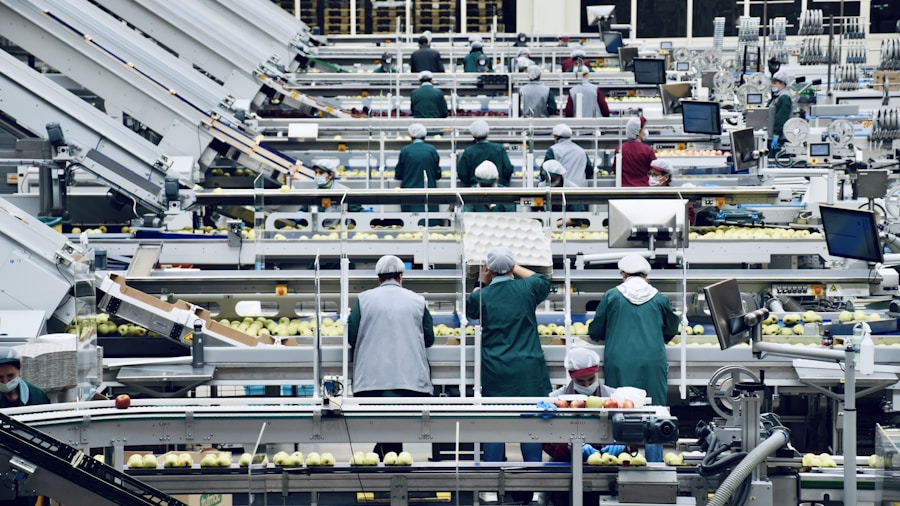
The shift away from Brampton reflects broader industry trends and Stellantis’ strategic priorities. The automotive industry is transitioning from traditional internal combustion engines to electric vehicles, and legacy plants often require substantial investment to meet modern manufacturing standards. Rather than invest heavily in the Brampton facility, Stellantis chose to consolidate production elsewhere, leaving the Ontario plant without a clear product assignment.
Currently, affected workers receive income security payments equal to 70 percent of their earnings, but that arrangement provides only temporary relief. The union labor agreement covering the plant expires on September 20, making contract negotiations a critical moment for determining the facility’s fate. Unifor Local 1285 President Vito Beato has stated flatly that closure is not acceptable, but Stellantis appears to be keeping all options on the table as discussions begin.
Potential Paths Forward and What It Means for Shoppers
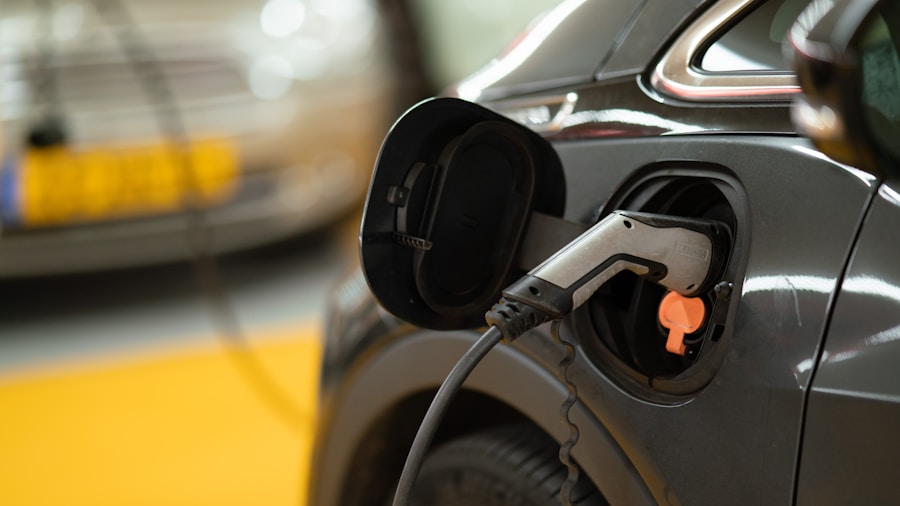
Three possible futures exist for the Brampton facility. The most optimistic scenario involves Stellantis finding a new product to manufacture there, though the company has provided no concrete timeline or commitments. A second possibility involves the plant being sold to another automaker or industrial operator. The third and most concerning option is outright closure and conversion of the site to non-automotive use.
Complicating any sale is Brampton’s municipal zoning, which designates the property exclusively for automotive manufacturing. City officials prefer to keep the plant operational as a vehicle production facility rather than see it redeveloped as residential or commercial space. This creates an interesting opportunity: Canada recently ended its ban on Chinese-branded vehicles, and several Chinese automakers are exploring North American production capacity. Stellantis CEO Antonio Filosa has already suggested the possibility of building or assembling Leapmotor electric vehicles in Canada, though these remain preliminary discussions.
For consumers, the Brampton situation matters in several ways. First, it signals that Stellantis is restructuring its North American footprint to focus on profitable segments and modern vehicle platforms. That means future Dodge, Jeep, and Chrysler products will come from facilities the company deems more strategically positioned. Second, the closure of an iconic muscle car production facility marks a symbolic turning point in the American automotive industry. The Dodge Charger and Challenger represent an era of high-performance, gasoline-powered vehicles that is gradually disappearing as electrification accelerates. Stellantis is increasingly focusing on partnerships and international expansion to strengthen its portfolio, which may affect vehicle availability and pricing in the coming years.
Third, the situation underscores the ripple effects of global automotive transformation. Plants that once seemed secure can become expendable when corporate strategy shifts. Manufacturing consolidation often has consequences for consumer pricing and product diversity, as companies optimize production networks and reduce redundancy.
Timeline and Next Steps
Stellantis must provide at least 12 months’ formal notice before any closure can occur, according to the existing labor agreement. Canada’s federal industry ministry has indicated it is working with Stellantis, Unifor, and Ontario provincial officials to explore options that preserve production and jobs at the site. However, these efforts face real constraints: Stellantis is a shareholder-driven company with obligations to deliver returns, and keeping an underutilized facility operational may not serve that objective.
Contract negotiations beginning in September will likely become heated, as the union fights for worker protection and the company seeks flexibility to make structural decisions. The outcome could set precedent for how other legacy automotive facilities are managed across North America.
For now, the Brampton plant remains in limbo, caught between its storied past and an uncertain future. Whether it will once again produce vehicles for American consumers, be sold to another operator, or close entirely remains one of the most pressing questions in the North American automotive industry today.







Write Your Review
No reviews yet. Be the first to share your experience!