

Red Bull’s Second Seat Problem Gets Solved
For years, the second seat at Red Bull’s Formula 1 operation has carried an unfortunate stigma. Every driver who sat there seemed to underperform compared to the team’s lead racer, Max Verstappen. The gap between first and second was so pronounced that it became known as the “second seat curse,” a burden that weighed heavily on whoever held that position. But recent developments suggest that era is coming to an end, thanks to both a talented new driver and a major shift in how the team operates.
Hadjar Breaks the Curse
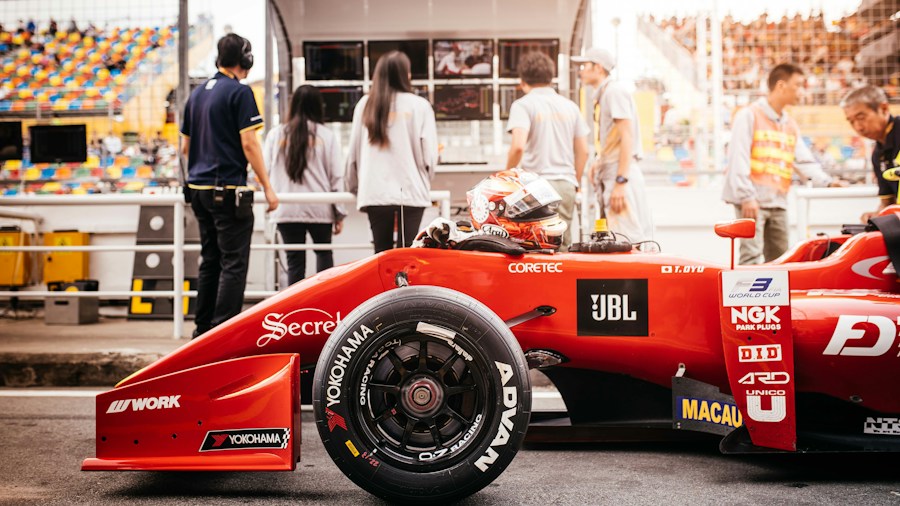
Isack Hadjar made the jump from Racing Bulls to Red Bull at the start of the 2026 season, and his performance has quietly reshaped the conversation around the team’s second seat. Unlike his predecessors, including Sergio Perez (now racing for Cadillac), Liam Lawson, and Yuki Tsunoda, Hadjar has managed to stay competitive without being completely overshadowed. Even after sitting out three races while recovering from a wrist injury, he returned strong and finished third at the Azerbaijan Grand Prix.
The young driver’s success isn’t purely about his talent behind the wheel, though he clearly possesses real skill. Hadjar himself has noted that the Ford F1 race car has room for improvement, and Red Bull has made headway on that front. But something else appears to be shifting within the team itself, and that change may matter even more than the machinery.
Culture Change at the Top
Formula 1 observers have pointed to a significant transformation in Red Bull’s working environment under new team principal Laurent Mekies. Unlike the high-pressure, ultra-competitive atmosphere that characterized the team’s previous leadership, Mekies has fostered a culture that prioritizes driver well-being and stability. The shift away from grinding pressure has proven meaningful, particularly for drivers in secondary roles who might otherwise feel constantly scrutinized.
“The fact that the curse might be removed has less to do with what Hadjar is doing and more to do with what Laurent is doing,” according to Formula 1 broadcaster Will Buxton. The previous leadership operated on the philosophy that “diamonds are forged under pressure,” creating an environment where drivers felt constantly tested and under stress. Mekies has inverted that approach, creating what observers describe as a “happy and safe space” where drivers can recover mentally and physically without constant anxiety about their position.
When Hadjar was sidelined with his wrist injury, he wasn’t forced to rush back or punished for the downtime. Instead, he was given nearly two months to recover fully, returned to a new contract in hand rather than facing threats about his future. This approach stands in stark contrast to how second-seat drivers were often treated in the past.
What This Means for Racing and Consumers
The erasure of Red Bull’s second-seat curse carries real implications for how Formula 1 competition will develop. When both drivers on a team perform at high levels, it creates better data for engineers, more tactical flexibility during races, and genuinely competitive internal battles that drive innovation. Ford’s broader automotive commitment to technology and performance extends into its motorsport programs, where racing advances eventually influence consumer vehicle development.
For Ford fans and automotive enthusiasts, stronger second-seat performance at Red Bull means better engineering feedback, more comprehensive testing of race concepts, and ultimately more robust vehicle technologies that could trickle down to production models. When racing teams operate at full strength rather than with one driver perpetually disadvantaged, the entire program benefits.
Moreover, the cultural shift Mekies has implemented sends a message about sustainable high performance. Rather than burning out talented drivers through relentless pressure, creating an environment where people can thrive produces better long-term results. This philosophy has relevance beyond racing, demonstrating that performance doesn’t require constant stress.
Looking Forward
Ford’s racing programs continue to expand globally, with multiple competitive efforts across different series. The success of Red Bull’s reformed approach will likely influence how other teams manage driver development and team dynamics. Hadjar’s emergence as a competitive force proves that eliminating unnecessary pressure doesn’t weaken performance, it enhances it.
The 2026 season will continue to test whether this cultural shift proves permanent or whether the old pressures eventually creep back. But so far, the evidence suggests that Red Bull has genuinely transformed its approach. For Ford enthusiasts watching Formula 1, that means expecting stronger competition from the team’s full driver roster and the innovations that will emerge from having both seats fully occupied by competitive performers.











Write Your Review
No reviews yet. Be the first to share your experience!