

Formula One is shaking up its 2027 schedule, and not everyone in the sport is thrilled about the changes. One of the most contentious additions involves converting Monaco into a sprint racing weekend, a format that has already drawn criticism from drivers and fans alike. Max Verstappen, the Red Bull Ford F1 driver, recently shared his candid assessment of the new schedule, offering insights that reveal potential challenges with how sprint racing fits into the sport’s most iconic events.
What are Sprint Races and Why the Controversy?
For those unfamiliar with sprint racing in Formula One, these events represent a significant departure from traditional race weekends. Instead of using Friday and Saturday for practice sessions, sprint weekends compress the schedule by replacing a practice session with a shorter race. Sprint races typically cover 100 kilometers, or about 62 miles, and last roughly 30 minutes. While they do add a race event to the weekend, they maintain all the other standard components: one practice session, sprint qualifying, the sprint race itself, standard qualifying, and the main Grand Prix.
The racing community remains divided on whether adding more sprint events actually benefits the sport. Critics argue that sprint races can overshadow the main event, potentially diluting the significance of the traditional Grand Prix that fans have anticipated for generations.
Verstappen’s Take on the Broader Sprint Format
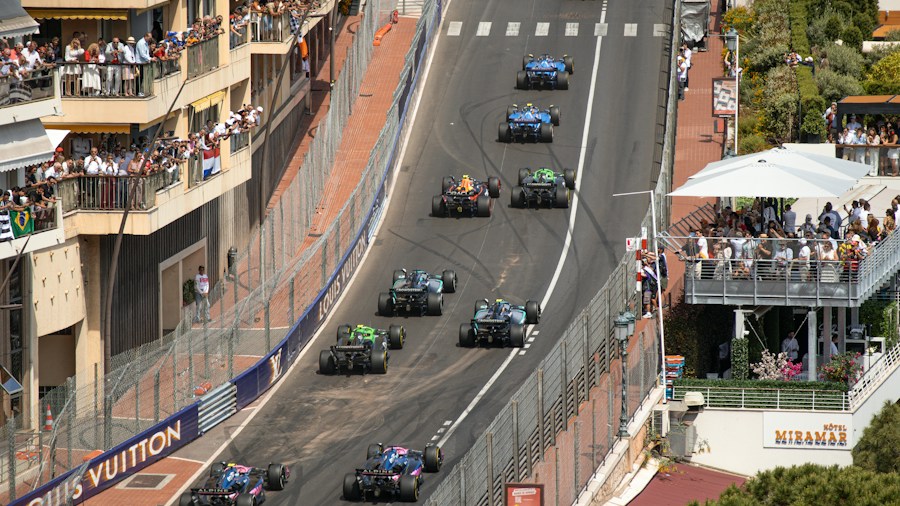
Verstappen expressed measured skepticism about the expansion of sprint racing across the calendar. While he acknowledges the reasoning behind the decision, he made clear that sprint races are not his preference. According to his comments, he views sprint events as appetizers that may steal thunder from the main course. “Yeah, more sprint races… Personally, I’m not a fan of it, but I understand the reasoning behind it, of course,” Verstappen stated. “It brings more action throughout the weekend, so yeah, we’ll participate… But, for me, I always think about the grand prix and that’s where my main focus is.”
This perspective aligns with many serious F1 enthusiasts who believe the traditional 300-kilometer race format offers more genuine racing drama and driver skill differentiation than shorter sprint formats. As Ford continues advancing performance technology, the debate over racing formats becomes even more relevant to automotive enthusiasts tracking the sport’s evolution.
Monaco’s Unique Challenge with Sprint Racing
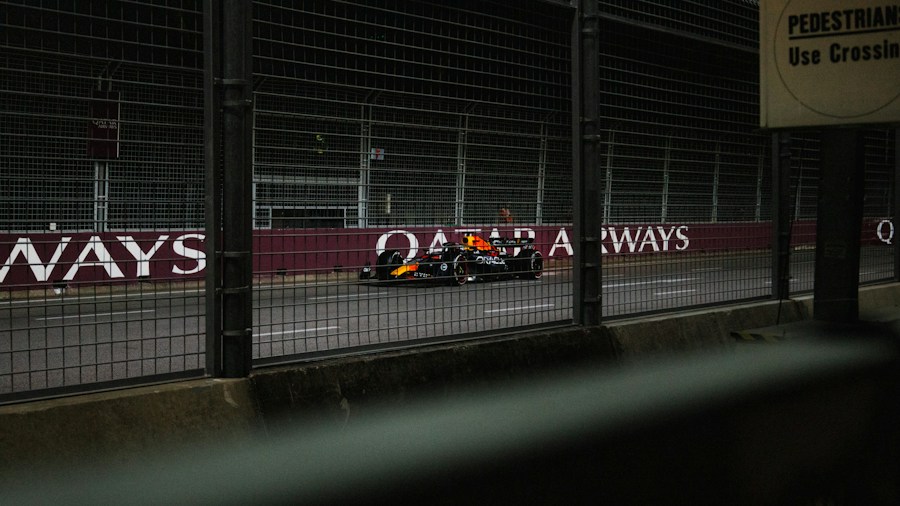
Verstappen’s most pointed criticism concerns the specific application of sprint racing to Monaco, one of Formula One’s most prestigious and historic circuits. Monaco presents a unique challenge for any racing format due to its narrow street course layout and minimal overtaking opportunities. This geography creates a natural follow-the-leader dynamic where the driver in front maintains their position almost by default.
Verstappen highlighted this critical flaw: “About the sprint in Monaco, yeah, it’s the same scenario as what happens in the main race, right? Like, you are excited for the start and then you can’t pass. That’s quite straightforward.” In other words, a 30-minute sprint at Monaco will likely produce the same parade-lap racing as the full Grand Prix, making the shorter format redundant rather than exciting.
The driver emphasized his emotional detachment from sprint racing outcomes, suggesting that many competitors view sprints as necessary obligations rather than meaningful competition. “I don’t know. For me, I honestly don’t care where the sprint races are. I just participate and of course you try to do the best you can. But I have no emotion attached to winning a sprint race or not winning it,” he explained.
What This Means for Motorsport Fans and Auto Enthusiasts
The shift toward sprint racing reflects Formula One’s ongoing efforts to increase entertainment value and generate more weekend content for broadcasters. However, Verstappen’s comments suggest that simply adding more races may not achieve that goal at every venue. Circuit design, track layout, and overtaking potential matter significantly to the actual quality of racing spectators witness.
For automotive enthusiasts who follow Ford’s motorsport initiatives, the evolution of racing formats demonstrates how competitive pressure pushes manufacturers to innovate both on track and in production vehicles. Formula One remains a crucial testing ground for automotive technology, even as the sport experiments with new formats and schedules.
The 2027 Monaco sprint will likely serve as a real-world test case. If spectators and broadcasters respond negatively to a parade-lap sprint at the legendary circuit, F1 leadership may reconsider the format’s application to street courses with limited passing opportunities. Until then, drivers like Verstappen will participate professionally while privately maintaining reservations about whether more racing actually means better racing.
Ford’s involvement in competitive motorsports continues to drive innovation in performance and precision, keeping the brand connected to racing’s most demanding challenges.











Write Your Review
No reviews yet. Be the first to share your experience!