

Tesla has achieved a major milestone with its autonomous taxi service. The company now operates over 300 Cybercabs in Austin, representing an eightfold increase in just 30 days following the public launch on September 4. This rapid expansion marks a critical moment for the robotaxi industry and signals what consumers can expect from the next generation of transportation options.
Rapid Fleet Growth Shows Commercial Viability
When Tesla opened Cybercab rides to the public in Austin last month, the initial rollout was modest. Within a single week, the fleet jumped from 58 to 125 vehicles. By late September, the number had climbed well past 100 units. Now, with the official announcement of 300+ Cybercabs serving the city, Tesla has demonstrated the ability to scale autonomous vehicle operations quickly and efficiently. The company recently added 150 Cybercabs to the Texas automated vehicle registry in a single update, raising its registered fleet from 169 to 319 vehicles.
This growth trajectory is meaningful for shoppers considering their transportation options. It shows that autonomous taxi services are moving from experimental pilots to genuine commercial operations. More vehicles on the road means shorter wait times and broader service availability across Austin’s streets.
Dallas Launch Confirmed for Next Expansion
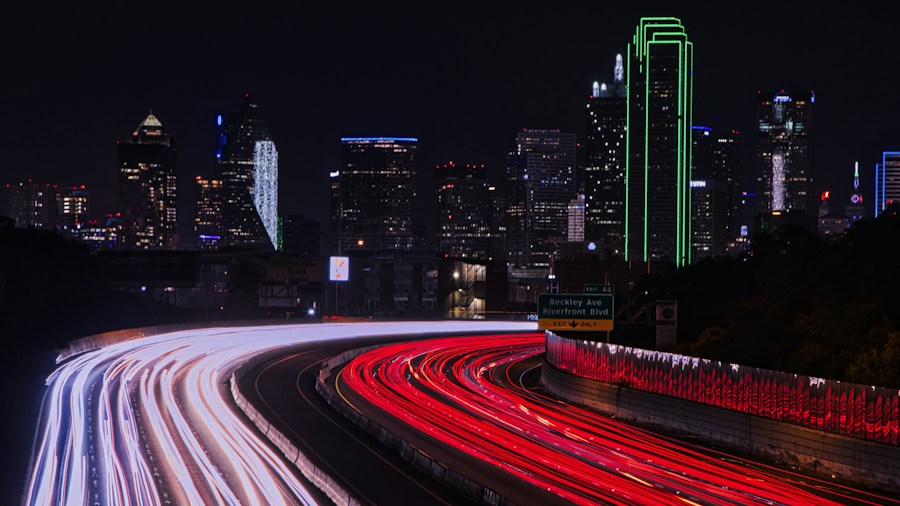
In a significant announcement, Tesla’s head of AI software, Ashok Elluswamy, confirmed that Dallas will be the next city to receive Cybercab service. Two years after the initial WeRobot announcement event, the company is ready to bring the technology beyond Austin. While an official timeline has not been provided, the rapid scaling in Austin suggests that expansion to Dallas could happen sooner rather than later.
For consumers in Dallas and surrounding Texas markets, this represents a concrete signal that autonomous ride-hailing will become a practical transportation choice within the near term. The success in Austin is removing uncertainty about whether robotaxi services can work in real-world conditions.
What This Means for Your Transportation Choices
The surge in Cybercabs reflects Tesla’s confidence in both the vehicle’s safety and the market demand for autonomous transportation. As Tesla continues to develop its charging infrastructure and energy solutions, the broader ecosystem supporting electric and autonomous vehicles is strengthening. This creates opportunities for consumers to integrate multiple Tesla services and technologies into their daily lives.
For those currently using ride-hailing apps or considering transportation alternatives, the availability of Cybercabs in Austin provides a real option to test autonomous taxis. Users can compare the experience against traditional ride-sharing services. Early reports indicate wait times remain short even during peak demand, suggesting the fleet is well-matched to current demand levels.
Regulatory Oversight Continues
The rapid expansion is happening under regulatory scrutiny. The National Highway Traffic Safety Administration (NHTSA) has opened an audit into Tesla’s certification that Cybercabs meet federal safety standards. The agency has requested sworn answers by October 30. Additionally, Tesla is scheduled to report third quarter earnings on October 21, which will give investors and the public detailed updates on fleet numbers and expansion timelines.
Regulators watching the Austin rollout will be reviewing safety data and operational metrics as they consider whether to approve similar services in other cities. For consumers, this oversight provides assurance that autonomous vehicles must meet established safety requirements before expanding to new markets.
Integration with Broader Tesla Ecosystem
The Cybercab rollout is part of Tesla’s larger strategy to position itself as a comprehensive transportation and energy company. As Tesla invests in renewable energy infrastructure, the connection between autonomous vehicles, charging networks, and clean energy becomes increasingly important for consumers evaluating the company’s ecosystem.
For existing Tesla vehicle owners, the Cybercab network represents both a transportation option and a signal of where the company is directing its technology efforts. The engineering lessons learned from operating hundreds of autonomous vehicles will inform improvements to driver assistance features in consumer vehicles.
Looking Ahead
The Cybercab fleet’s expansion from near zero to 300 vehicles in one month demonstrates that Tesla has moved past the prototype stage with its robotaxi technology. The confirmed Dallas launch and continued growth in Austin suggest autonomous ride-hailing will become a standard transportation option in major Texas markets within the next year.
For shoppers, the practical implications are clear: autonomous transportation is no longer theoretical. Those in Austin can experience it now, and those elsewhere should expect the option to arrive soon. As charging infrastructure continues expanding, the groundwork for a transportation network that combines autonomous vehicles with convenient power infrastructure is falling into place. Consumers should view this milestone as a signal that transportation choices are evolving rapidly, and autonomous options will increasingly compete alongside traditional ride-sharing and personal vehicle ownership.











Write Your Review
No reviews yet. Be the first to share your experience!