

A massive solar and battery storage project now under construction in Arizona will supply clean energy to Tesla and highlights what the future of renewable power looks like for EV owners and energy consumers across the Southwest.
Major Solar Project Takes Shape in the Desert
ContourGlobal broke ground in October on Project Sterling, a 450-megawatt solar facility paired with significant battery storage capacity. Located roughly 20 miles north of Lake Havasu City in Mohave County, the project spans more than 2,000 acres and will come online in 2028. The scale is impressive: more than 760,000 solar panels combined with over 300 battery storage containers will work together to deliver reliable clean electricity.
The solar panels generate 509 MW of DC capacity, which converts to 450 MW of AC power for grid distribution. Paired with batteries capable of 360 MW output and 1.4 gigawatt-hours of storage, Sterling can discharge at maximum power for about four hours. The battery system uses advanced lithium iron phosphate technology with liquid cooling and integrated fire safety, making it one of the most sophisticated renewable installations in North America.
According to ContourGlobal, the combined solar and battery system will deliver clean electricity for up to 16 hours daily, generating over 1.1 terawatt-hours annually. That’s enough power to support hundreds of thousands of homes and businesses throughout the region.
What This Means for Tesla and EV Buyers
Tesla has already committed to purchasing approximately 90 percent of Sterling’s annual output through a long-term power purchase agreement. This deal covers roughly 1 terawatt-hour per year plus associated renewable energy certificates. For Tesla owners, this represents a tangible step toward cleaner charging infrastructure. When you charge your Tesla at a Supercharger powered by renewable sources, you’re drawing from projects like Sterling that Tesla is actively investing in and securing.
This project also demonstrates how major EV manufacturers are taking direct control of their energy supply chain. Rather than relying solely on traditional utilities, Tesla is funding and purchasing power from dedicated renewable facilities. That approach benefits all Tesla owners by ensuring consistent access to clean charging power while reducing costs through long-term fixed contracts.
Grid Connection and Regional Impact
Sterling will connect to the Western Area Power Administration’s grid and has secured transmission rights into California’s electricity market. This means Arizona’s clean energy will support EV charging stations and consumers across state lines. The project creates a cleaner power corridor for the entire Southwest, supporting the growing EV infrastructure Tesla Megachargers now operating at major truck stops and other charging networks throughout the region.
The transmission infrastructure matters for practical reasons: EV adoption depends on reliable, clean power sources. When renewable facilities like Sterling feed electricity into regional grids, they reduce reliance on fossil fuel generation and lower overall energy costs, which eventually translates to more affordable charging for consumers.
Construction and Economic Impact
ContourGlobal expects construction to employ approximately 400 workers through 2028. Local crews will handle civil works and site development, including a new 5.2-mile access road connecting the project to historic Route 66. The project represents significant economic investment in rural Arizona and demonstrates how clean energy infrastructure creates local jobs and economic activity.
The privately financed project has secured an equity bridge loan from international banks to fund construction. This financial backing shows strong confidence from global investors in large-scale renewable energy projects that serve major corporate buyers like Tesla.
Why This Matters for Your Next EV
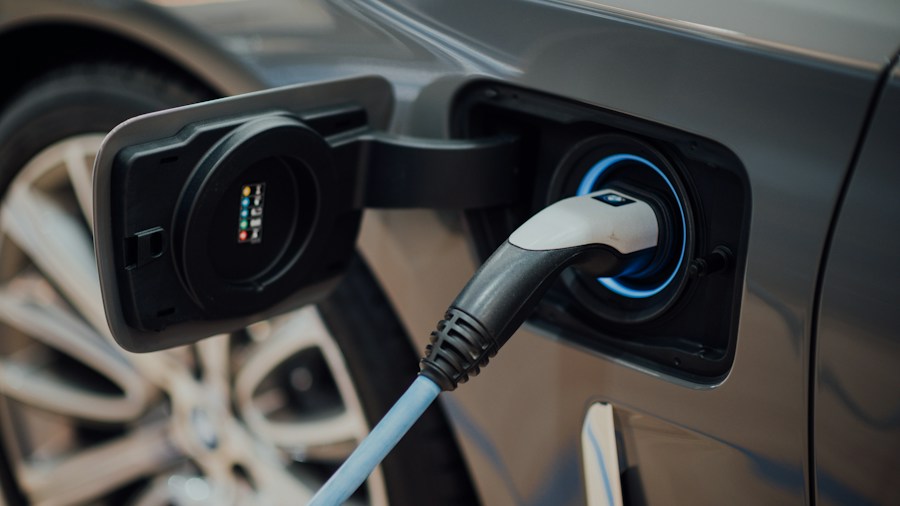
Projects like Sterling influence the total cost of EV ownership. When manufacturers secure power from dedicated renewable sources, they reduce energy costs and improve grid stability. Tesla’s software updates continue to enhance vehicle capabilities, and backing those vehicles with clean, affordable power makes the entire ownership experience better.
As Arizona and California grids incorporate more renewable energy, charging your EV becomes faster, cheaper, and cleaner. The expansion of battery storage capacity means fewer grid constraints during peak charging times, reducing wait times at Superchargers and improving reliability.
For buyers considering a Tesla or any electric vehicle, Sterling and similar projects represent a concrete answer to concerns about electricity sourcing. Major EV manufacturers are investing billions in securing clean power supplies, which protects your vehicle’s efficiency and your operating costs for years to come.
What Comes Next
With construction underway and completion expected in 2028, Sterling will become ContourGlobal’s largest renewable energy asset globally. The project validates the business case for large-scale solar plus storage installations and will likely encourage similar projects across the Southwest. For EV buyers, that means continued growth in clean charging infrastructure and stable, long-term energy supply agreements that keep costs predictable and environmental impact minimal.











Write Your Review
No reviews yet. Be the first to share your experience!