

A pair of turbocharged motorcycles from the 1980s recently underwent full restoration and startup after spending 20 to 30 years in storage. The Yamaha XJ650 Seca Turbo and a Honda CX500 Turbo, both highly sought vintage machines, have captured enthusiast attention as mechanics successfully brought them back to running condition. For prospective buyers interested in classic turbo bikes, this restoration effort reveals important insights about what it takes to revive and maintain these rare machines.
The Discovery and Initial Assessment
Both the Yamaha and Honda turbocharged models emerged from long-term storage in surprisingly good cosmetic condition. The Yamaha’s exterior held up particularly well, while the Honda showed only minor weathering on its windscreen. However, beneath the surface lay decades of oxidation and gunk that required careful attention. When mechanics opened the front brake master cylinder on the Yamaha, they discovered internal contamination that had accumulated over the years in storage, serving as a stark reminder that beautiful exteriors can mask serious internal corrosion.
Critical Maintenance Needs Every Owner Should Understand
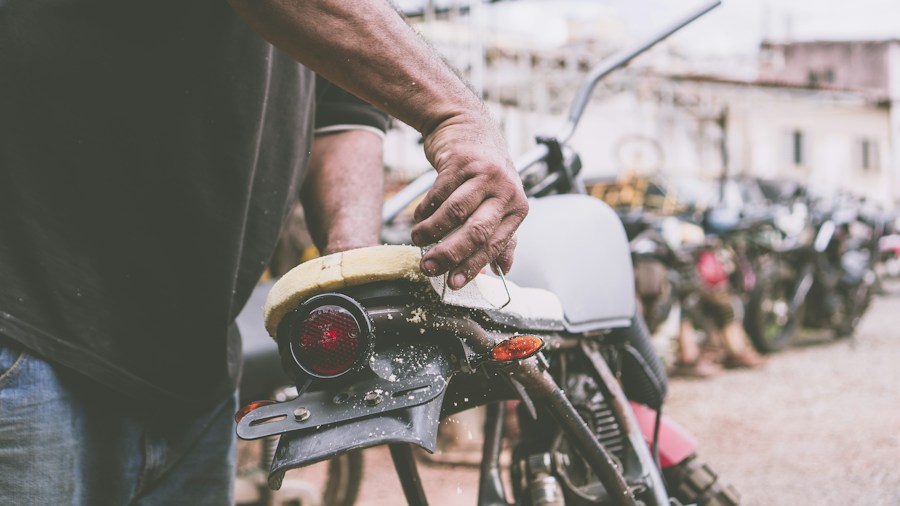
The restoration process exposed several areas where vintage turbocharged motorcycles demand specialized care and attention. The brake systems on both bikes presented the most immediate safety concerns, requiring complete line replacements and fresh pads. Beyond braking components, these machines need the kind of fiddly, specialty-focused maintenance that separates serious collectors from casual enthusiasts. One particularly obscure Yamaha tool required for servicing surprised even experienced mechanics, highlighting how unique these 1980s turbocharged designs truly were.
For anyone considering purchasing a vintage turbo motorcycle like the XJ650 Seca, understanding these maintenance requirements is essential. Parts availability for 30 to 40-year-old turbocharged machines is limited, and many repairs require either specialized knowledge or extensive research. Yamaha has continued evolving its product lineup, but sourcing components for turbo models from four decades ago presents genuine challenges for restoration enthusiasts.
What Buyers Should Know About Turbo Bike Reliability
Once both machines finally roared back to life, their performance sounded exactly as enthusiasts hoped. The turbo engines fired reliably after restoration, confirming that these designs, when properly maintained, can deliver the thrilling performance that made them legendary. However, braking performance took significantly longer to restore to safe levels. Initial stopping power was compromised, requiring extended stopping distances that would be unacceptable for modern riding conditions.
This gap between engine reliability and chassis systems is critical for any potential buyer evaluating classic turbocharged machines. The engine internals may survive storage remarkably well, but ancillary systems deteriorate faster. As new competitors challenge traditional motorcycle manufacturers, vintage turbocharged bikes represent a distinct market segment where scarcity and historical significance command premium prices regardless of modern safety standards.
The Appeal and Reality of Owning Vintage Turbo Motorcycles
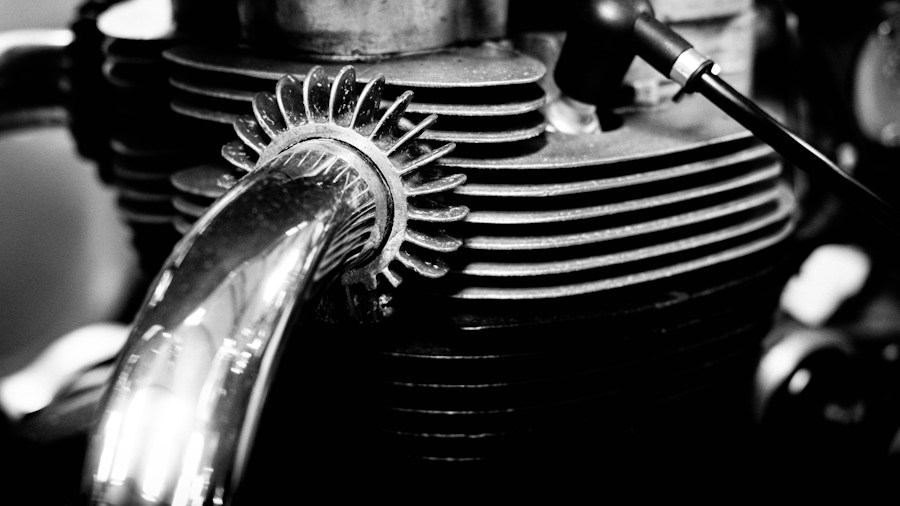
The 1980s and early 1990s represent a unique era in motorcycle design, and turbocharged models from that period hold special appeal for collectors and enthusiasts. The combination of retro aesthetics with genuine performance technology creates machines that feel viscerally different from modern motorcycles. When the Yamaha XJ650 Seca Turbo fired up after three decades of dormancy, it delivered that nostalgic connection to an era when turbocharged sportbikes represented cutting-edge engineering.
However, this restoration effort demonstrates that owning these bikes requires commitment beyond simply purchasing them. The knowledge needed to diagnose and repair turbocharged systems, locate period-correct parts, and understand specialized service procedures makes ownership a hobby unto itself. As manufacturers like Yamaha continue expanding their operations, the classic bike market remains largely separate from modern production, creating a distinct enthusiast community.
Bottom Line for Potential Buyers
If you are considering purchasing a vintage turbocharged Yamaha or similar machine from the 1980s, understand that restoration success depends heavily on patience, mechanical knowledge, and access to specialized tools. These machines can sound and perform beautifully once properly revived, but they demand ongoing maintenance with a precision that modern bikes simply do not require. Budget accordingly for brake system overhauls, fuel system cleaning, and engine work before expecting these machines to run reliably. The reward is ownership of a genuine piece of motorcycle history, but only if you approach it with realistic expectations about the work involved.











Write Your Review
No reviews yet. Be the first to share your experience!