

Two major powersports and equipment manufacturers have announced a significant collaboration that could reshape the utility side-by-side market. Yamaha Motor and John Deere revealed on October 6 that they are entering into a joint development agreement to create future recreational off-highway vehicles, or ROVs. This partnership brings together complementary strengths from both companies and signals an important shift in how the market may evolve over the next several years.
What the Partnership Means
Under this new agreement, Yamaha will provide its established powertrain engineering and vehicle design expertise, drawing from decades of experience building recreational side-by-sides like the Viking and Wolverine platforms. John Deere contributes its vehicle development capabilities, U.S. manufacturing knowledge, and deep insight into work-oriented customer needs across agricultural and utility applications. Both companies will share responsibility for developing and supplying components to one another as part of the collaboration.
The companies have stated they will maintain their independent brand identities, dealer networks, and sales channels. This means Yamaha dealers will not suddenly start selling John Deere products, and vice versa. Instead, the partnership is designed to create new products that leverage the strengths of both organizations while keeping each company’s existing operations intact.
Focus on the Utility Segment
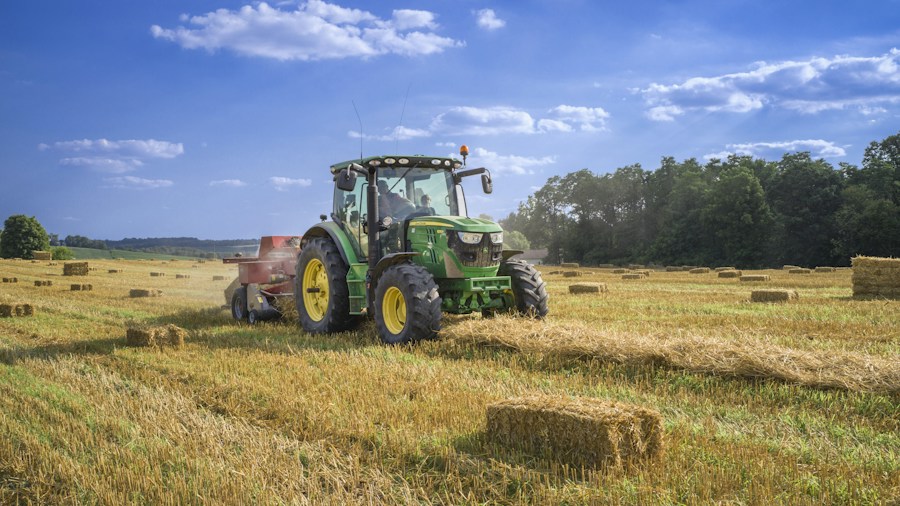
The agreement specifically targets the utility segment of the side-by-side market, which has become one of the most competitive areas in powersports. Modern buyers increasingly want vehicles that deliver comfort and performance for recreational use while also handling serious work tasks. This crossover appeal has made the utility SxS category a high-priority battleground among manufacturers.
John Deere’s customer base includes farmers, property managers, and commercial operators who depend on reliable work vehicles. Yamaha brings experience serving recreational enthusiasts and powersports dealers. Together, they aim to develop differentiated products that appeal to customers on both sides of that spectrum. As custom designers continue to push the boundaries of what side-by-sides can become, OEM collaboration like this may accelerate innovation across the entire market segment.
What Remains Uncertain
While the announcement is significant, many crucial details have not yet been disclosed. The companies have not specified which products will launch first, when they will arrive at dealers, or where they will be manufactured. The agreement covers both joint development of complete vehicles and mutual supply of components, suggesting the relationship may produce multiple product variations rather than a single model.
Manufacturing location is particularly noteworthy given that Yamaha recently announced it would be closing its in-house side-by-side production facility in Newnan, Georgia. John Deere’s U.S. manufacturing capabilities were specifically highlighted in the partnership announcement, though it remains unclear whether existing Yamaha or John Deere facilities will be repurposed or if new production sites will be developed.
Dealer and Customer Impact
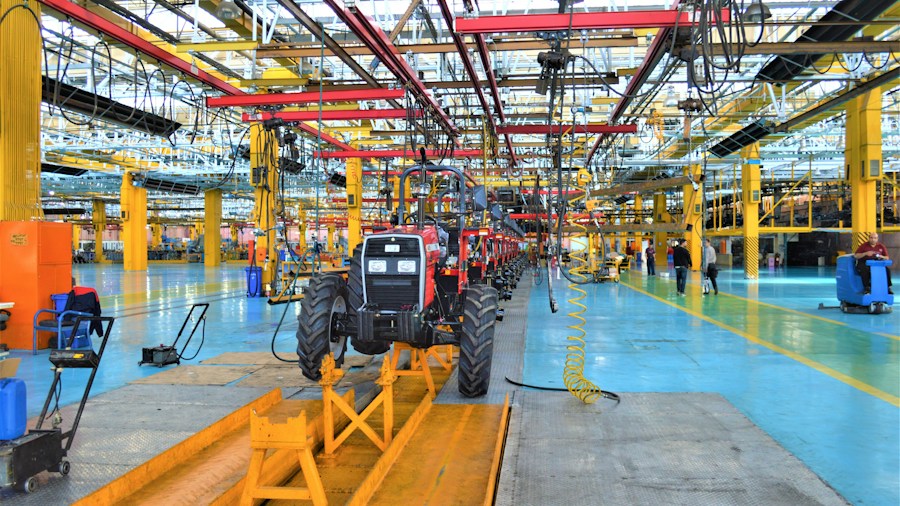
For powersports dealers and buyers, the near-term impact will be limited since no specific vehicles have been announced. However, this partnership could eventually bring new product options to showroom floors under either the Yamaha or John Deere brands. Dealers should anticipate that communications from both manufacturers will provide additional details as development progresses.
Executive leadership from both companies expressed enthusiasm about the collaboration. Dean Burnett, president of Yamaha Motorsports USA, stated that the relationship creates opportunities for the companies, their dealer networks, and customers. Jon Chase, vice president of John Deere’s Turf and Compact Utility Business Unit, emphasized that shared commitments to quality, innovation, and strong dealer relationships form the foundation of the deal.
What This Means for the Market
This partnership builds on an existing relationship between the two companies in the low-speed mobility sector, suggesting they have already developed a working familiarity and compatible corporate cultures. The expansion into ROV development represents a natural next step for organizations seeking to expand their presence in high-growth equipment categories.
The side-by-side market continues to see aggressive innovation from multiple manufacturers, each competing to capture customers in both recreational and utility segments. The Yamaha-John Deere agreement could eventually provide each company with fresh competitive advantages and new product platforms to market.
Shoppers considering a new side-by-side should monitor announcements from both Yamaha and John Deere over the coming months and years. The partnership suggests that exciting new options may become available, potentially offering enhanced work capability combined with the recreational performance that Yamaha has built its reputation on. As the aftermarket ecosystem surrounding side-by-sides continues to expand, new factory models from established brands could provide excellent platforms for customization and long-term ownership.
For now, both companies have indicated that additional product details will be announced at the appropriate time. Interested buyers should stay tuned for further developments as this strategic collaboration moves from the agreement phase into actual product development and launch.









Write Your Review
No reviews yet. Be the first to share your experience!