

Understanding Your Oil Filter Options
When it comes time to replace your vehicle’s oil filter, you might assume all filters fit every engine. That assumption could land you with the wrong part and a wasted trip back to the store. The reality is that modern vehicles use one of two distinct oil filter designs, and knowing which one your car needs is essential before you make a purchase.
Your engine relies on an oil filter to remove contaminants and keep lubricant clean and effective. A dirty or incorrectly sized filter compromises engine protection and can lead to premature wear or failure. Understanding which filter type your vehicle requires takes just a few minutes of investigation and could save you time and money.
Spin-On Filters: The Common Choice

Spin-on filters are the most widely recognized design. These cylindrical cartridges screw directly onto a threaded port on your engine block. You’ll recognize them immediately: they look like a traditional can with a rubber seal on the base. Installation is straightforward, removal requires only a filter wrench, and they’re available everywhere automotive fluids are sold.
Spin-on filters are popular because they bundle everything into one disposable unit. The housing, media, and bypass valve all come together, so you replace the entire assembly at each service interval. This simplicity appeals to both DIY technicians and professional mechanics alike.
Cartridge Filters: The Alternative Design
Cartridge-style filters work differently. Instead of a self-contained unit, these filters consist of a replaceable media element that slides into a permanent housing mounted on the engine. You remove only the filter material and install a fresh one, leaving the metal housing in place. Some vehicles use cartridge filters exclusively, while others may offer both options depending on the engine configuration or model year.
Cartridge filters tend to offer a larger filtration surface area in a compact space. They’re common in European vehicles and some truck applications. However, identifying them requires looking underneath your vehicle or consulting your owner’s manual, since they’re less visible than spin-on designs.
How to Identify Your Filter Type
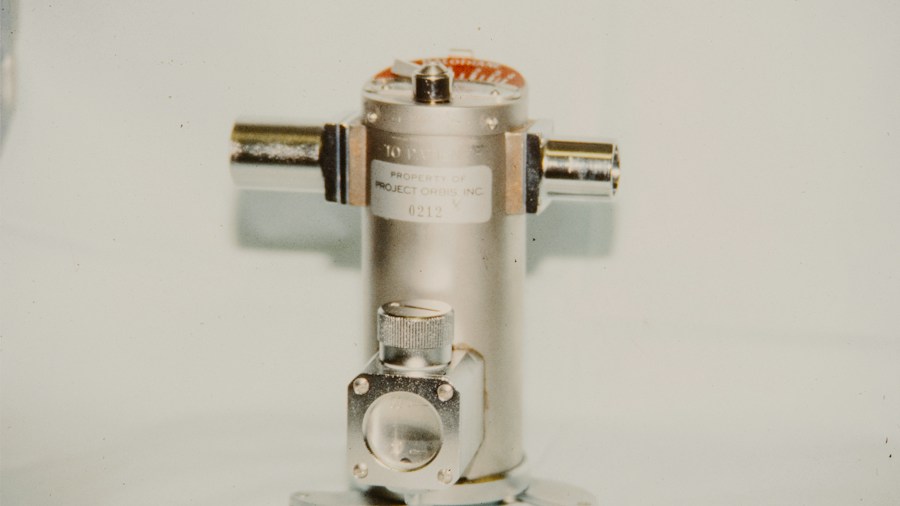
The only reliable way to know which filter your vehicle uses is a visual inspection. Get your vehicle safely elevated or look underneath from a low angle. Spin-on filters are easy to spot: cylindrical, metal cans with a threaded base. Cartridge filters appear as metal caps or covers with a center bolt or multiple mounting points.
If you’re uncomfortable crawling under your vehicle, consult your owner’s manual or contact your vehicle’s manufacturer directly. Many dealerships keep detailed specifications, and your local parts counter staff can also help if you provide your vehicle’s year, make, and model. The extra two minutes spent confirming the correct filter type beats purchasing the wrong one and having to exchange it.
What This Means for Shoppers
The existence of two filter designs creates a common point of confusion at the parts counter and online. When ordering a replacement, always specify your vehicle’s exact year, make, model, and engine size. Don’t assume that because your friend’s similar vehicle uses a spin-on filter, yours does too. Engine variations between model years or trim levels can change the filter type.
Many aftermarket retailers now allow you to look up parts using your vehicle’s VIN, which eliminates guesswork. This approach is far more reliable than estimating based on assumptions. When you purchase quality motor oils, keeping them in peak condition with the correct filter matters just as much as the fluid itself. If you’re unsure about your vehicle’s maintenance needs, understanding common automotive maintenance myths can help separate fact from fiction.
Installation Considerations
Spin-on filters install in seconds with basic tools. Cartridge filters may require slightly more disassembly but still remain accessible to anyone with a socket set and patience. The key difference is knowing what to expect before you start the job. Nothing is worse than beginning an oil change only to discover you’ve got the wrong filter type sitting on your workbench.
Cost and Availability
Spin-on filters are typically less expensive and more widely stocked because of their popularity. Cartridge filters cost slightly more and may require a special order if your local parts store doesn’t carry them. Planning ahead ensures you won’t face delays when your vehicle needs service.
Taking five minutes to identify your vehicle’s oil filter type before purchasing a replacement is smart consumer practice. Whether your engine uses a spin-on or cartridge design, getting the right filter ensures your oil stays clean and your engine runs strong for years to come.








Write Your Review
No reviews yet. Be the first to share your experience!