

Why Your Transmission Fluid Matters More Than You Think
If you’ve ever felt your car vibrate like you’re driving over railroad tracks while accelerating, you may have experienced torque converter shudder. It’s a problem that frustrates many vehicle owners, but understanding its root cause can save you time and money at the repair shop.
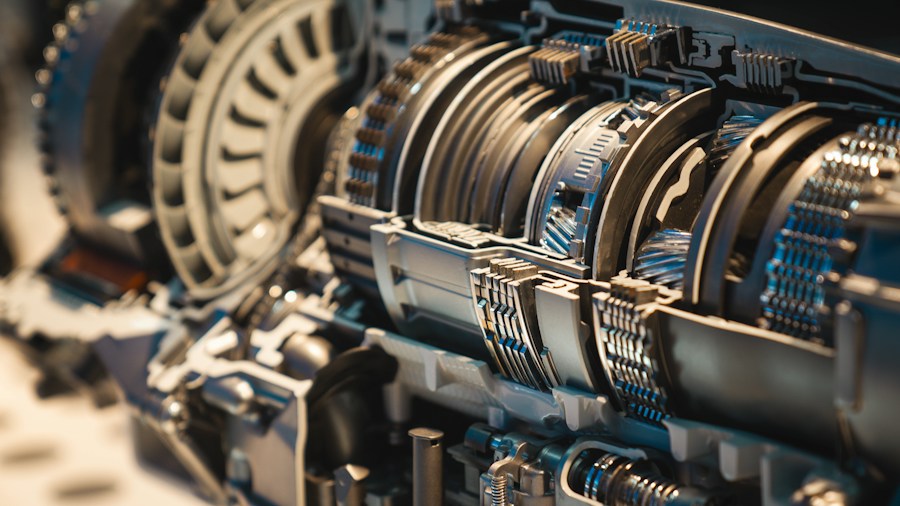
According to technical experts in automotive lubrication, transmission fluid is one of the most complex fluids in any vehicle. It does far more than simply lubricate moving parts. Modern transmission fluid serves four critical functions: it lubricates internal components, removes heat from the transmission, protects against wear, and enables precise hydraulic operation for smooth clutch engagement. When this fluid breaks down or loses its key additives, serious performance problems can follow.
The Additive Depletion Problem
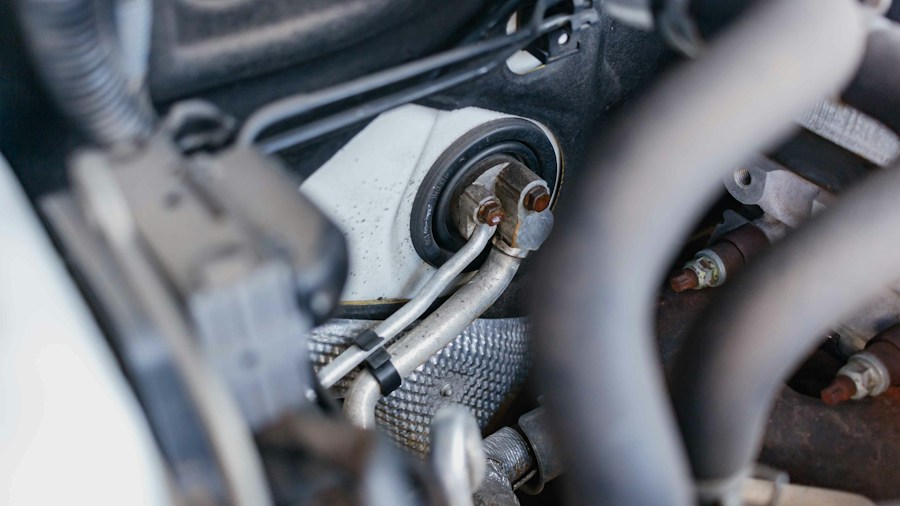
The shuddering sensation you feel often stems from depleted friction modifiers in your transmission fluid. Friction modifiers are specialized additives engineered into modern automatic transmission fluids to handle specific driving demands. However, they don’t last forever. Under harsh driving conditions, these critical additives can wear out much faster than owners expect, sometimes within just 20,000 to 30,000 miles.
Heavy towing, extreme temperatures, and constant stop-and-go traffic all accelerate additive depletion. If you frequently drive in these conditions, your transmission fluid may lose effectiveness well before your vehicle’s regular service interval. This is why technicians recommend discussing your specific driving habits and vehicle mileage before accepting a repair recommendation. A vehicle driven mostly on highways will have very different fluid needs than one used for daily urban commuting or commercial applications.
How Technicians Diagnose the Problem
One of the most valuable tools mechanics now use is the friction modifier itself. If a technician adds a specialized friction-modifier product to your transmission and the shudder immediately disappears, it’s a clear diagnostic signal that the problem is fluid-related, not mechanical. As industry experts note, this diagnostic approach can instantly identify whether you need fluid service or more expensive mechanical repairs.
This matters because not every case of torque converter shudder stems from worn fluid. Faulty solenoids, damaged valve bodies, and transmission programming issues can also cause the same symptoms. Understanding the actual cause prevents unnecessary repairs and helps you make informed decisions about your vehicle’s maintenance.
Many people benefit from learning more about transmission fluid myths and what actually happens during service, since misconceptions are common among car owners.
What This Means for Shoppers
If your vehicle exhibits signs of torque converter shudder, don’t assume the worst. A qualified technician can perform a simple fluid test to determine whether friction modifiers have degraded. If fluid is the culprit, a transmission fluid service often resolves the issue quickly and affordably. If mechanical damage is present, you’ll know sooner rather than later, allowing you to prioritize repairs accordingly.
The key takeaway: transmission fluid is not just another maintenance item to ignore. It’s a sophisticated product engineered for demanding conditions, and it requires attention based on your individual driving patterns. Vehicle owners who tow frequently, live in hot climates, or spend most of their time in heavy traffic should monitor their transmission fluid condition more closely than those with gentler driving profiles.
Understanding the complexity of transmission fluid also helps explain why using the correct fluid specification for your vehicle matters. Automatic transmission fluids formulated for specific vehicle types and applications deliver the right additive package for optimal performance. Substituting a different fluid type or brand may compromise the friction modifier balance, potentially creating the very problem you’re trying to avoid.
Regular transmission fluid checks and services remain among the most cost-effective ways to prevent torque converter shudder and extend transmission life. Your owner’s manual provides service recommendations, but your driving conditions may warrant more frequent checks. When in doubt, consult a trusted technician who can evaluate your vehicle’s needs and explain the diagnostic findings in clear terms.











Write Your Review
No reviews yet. Be the first to share your experience!