

Whether you are a beginner or someone with a few rides under your belt, improving your speed and control on a motorcycle is a rewarding pursuit. Learning from experienced riders and understanding the fundamentals of body position, throttle management, and line selection can transform your riding experience. Below are practical tips that will help you build confidence and ride faster on your next trip.
1. Master Your Grip Position on the Handlebars
How you hold the handlebars directly impacts your ability to steer smoothly and maintain control at higher speeds. Your grip should be firm but not tense, allowing your wrists to remain flexible so you can make fine adjustments. Many new riders grip too tightly, which fatigues their hands and reduces sensitivity to the bike’s feedback. Focus on a relaxed yet purposeful hold that keeps your fingers ready to operate the brakes and throttle with precision. This foundation is essential before attempting any speed increases on your machine.
2. Develop a Consistent Throttle Control Technique
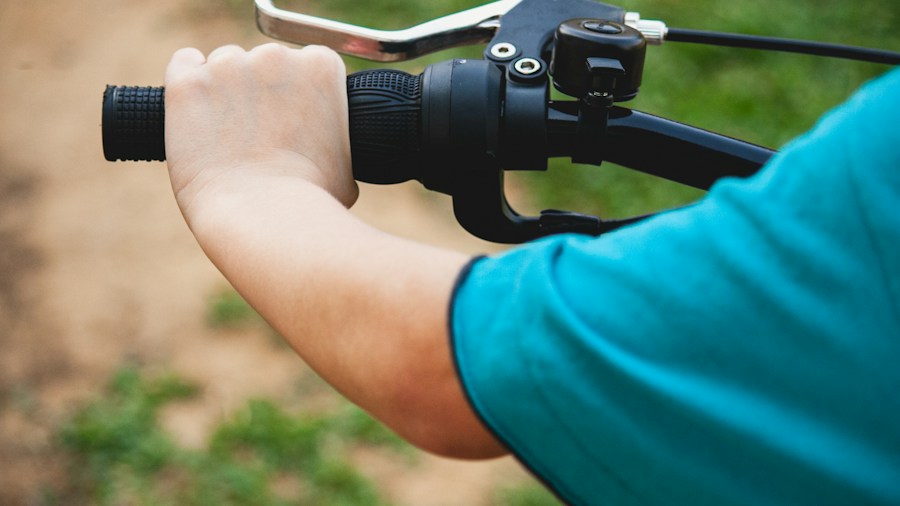
Smooth throttle application separates casual riders from those who can confidently increase their pace. Progressive, measured inputs to the throttle create stability and predictability, especially when leaning into corners. Sudden acceleration or deceleration can cause the rear tire to lose grip or upset the bike’s balance. Practice rolling on the throttle gradually and maintaining steady pressure through turns. This skill takes time to develop but pays dividends in both speed and safety.
3. Choose the Correct Line Through Every Corner
Your entry point and path through a turn dramatically affect how much speed you can carry. The racing line is not always the most obvious path; instead, you want to enter wide, apex deep into the corner, and exit wide. This technique allows you to use the road or track width efficiently and maintain momentum. Study the corners you ride regularly and deliberately practice different lines to find the smoothest, fastest option. Modern sport bikes are designed with geometry that rewards precision line selection, so refining this skill will unlock your machine’s potential.
4. Build Proper Upper Body and Lower Body Position
Your physical positioning on the motorcycle influences weight distribution, cornering capability, and control. Keep your upper body relaxed and centered, allowing your lower body to adjust by moving your inside hip off the seat into the turn. This counterintuitive motion, called trail braking positioning, lets the bike lean further while your center of gravity remains manageable. Your elbows should be loose, not locked, and your head should follow the line you want to take. Even riders exploring newer motorcycle technologies benefit from mastering these fundamentals, as proper technique transcends any particular bike model.
5. Practice Progressive Speed Increases in Safe Environments
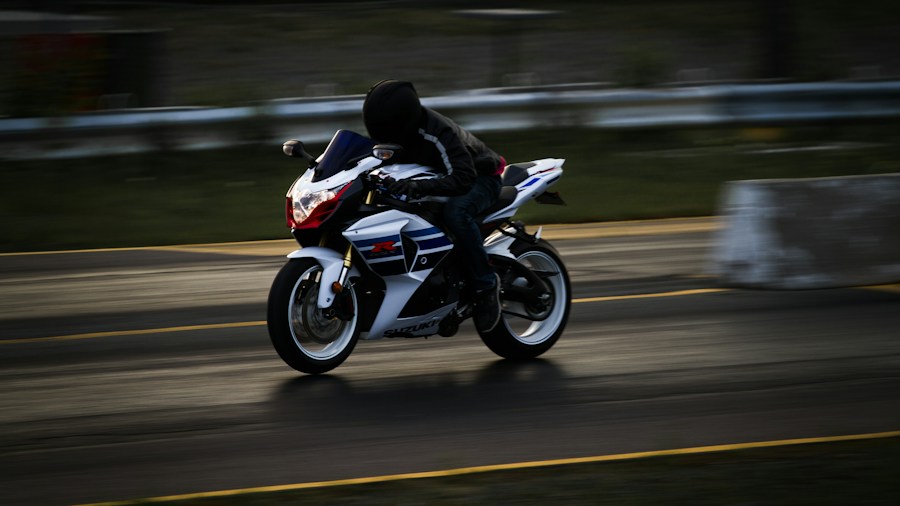
Do not attempt to apply these techniques on busy public roads. Instead, visit a closed course or track day event where you have space to experiment safely. Start at modest speeds and gradually increase your pace as you become comfortable with each technique. This incremental approach builds muscle memory and confidence without unnecessary risk. Many riders find that spending just a few hours on a dedicated riding surface, with proper instruction or feedback, accelerates their learning curve dramatically. Regular practice sessions also give you time to inspect your bike thoroughly before pushing harder.
The Value of Professional Instruction
Learning from experienced riders can cut months off your development timeline. Professional instructors observe your technique and provide immediate feedback on areas that need work. They explain the reasoning behind each tip and demonstrate proper form, which accelerates understanding. Whether you attend a single coaching session or multiple track days, investing in instruction pays returns in both performance and safety.
Improving your motorcycle riding speed is achievable with dedication to fundamentals. Start with grip and throttle control, then refine your lines and body position. Practice in safe, controlled settings and do not rush the process. These five tips provide a roadmap toward faster, more confident riding that you will enjoy for years to come.











Write Your Review
No reviews yet. Be the first to share your experience!