

Tesla made headlines with its latest Roadster reveal, but beyond the spectacle of a car launching itself into the air, the company dropped a significant statement about its future direction. Tesla Vice President of Vehicle Engineering Lars Moravy announced that the new Roadster will be Tesla’s only manually driven vehicle long-term, signaling a dramatic shift in the automaker’s strategy. For shoppers considering their next vehicle purchase, this declaration carries real implications about what Tesla plans to build and sell in the coming years.
What Tesla Actually Said About Its Future Lineup
During the Roadster’s reveal event, Elon Musk reinforced Moravy’s comments, stating that the upcoming Roadster would represent the last car Tesla manufactures that people can actively drive themselves. The statement came with a caveat: Musk framed this as a long-term vision, leaving room for interpretation about the timeline and scope of the commitment. According to the plan, production of the new Roadster is targeted for 2028, roughly 20 years after the original Roadster first launched in 2008 and changed the EV landscape.
What this means in practical terms is less clear-cut. Tesla currently produces the Model 3, Model Y, and Cybertruck, and the company has made no announcement about discontinuing these vehicles. The Model Y remains one of the world’s best-selling automobiles, and there is no indication that production will stop anytime soon. Shoppers who want to buy a Tesla today or within the next several years will still have access to manually driven options.
The Autonomous Vehicle Dream and Reality
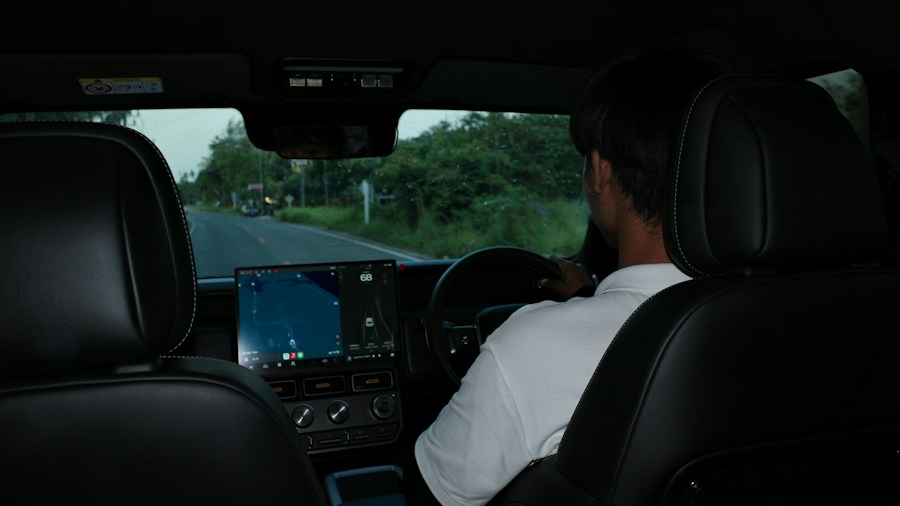
Musk’s vision centers on a future where Tesla vehicles operate as autonomous Robotaxis, ferrying passengers when summoned and generating income for owners when not in use. This aligns with Tesla’s long-stated goal of developing self-driving technology. However, several substantial obstacles stand between that vision and reality. The current infrastructure supporting fully autonomous vehicles remains underdeveloped, legal frameworks across states and federal regulations are still being written, and Tesla’s existing autonomous capabilities, while impressive in controlled environments, have not achieved the widespread success needed to support a fleet of driverless vehicles.
The recent launch of Tesla Cybercab Robotaxi in September 2026 represents the company’s first major step in this direction, though initial deployment remains limited to specific geofenced areas. This cautious rollout highlights the technical and regulatory challenges Tesla still faces in scaling autonomous service.
A History of Promises and Timeline Shifts
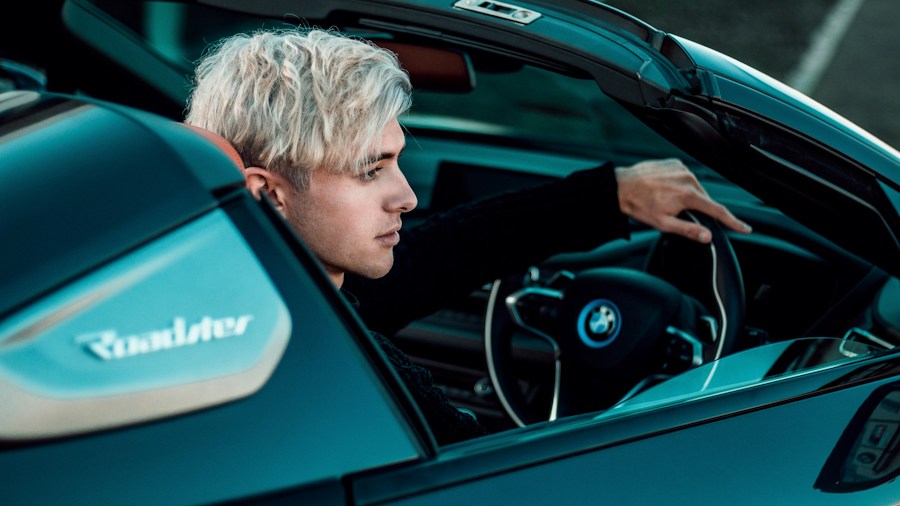
For potential Tesla buyers, it is worth noting that Musk has a track record of making bold declarations that do not materialize according to the announced timelines. The Roadster itself exemplifies this pattern: Musk revealed a Roadster prototype in 2017, and now in 2025, another prototype has appeared with a planned 2028 production date. That represents a nine-year gap between reveal and expected manufacturing launch. Additionally, early Tesla models with older hardware are now experiencing rapid value depreciation, a concern for buyers thinking about long-term ownership and resale value.
Musk has also made numerous predictions about autonomous vehicle timelines that have shifted repeatedly over the years. This history suggests that consumers should approach the announcement about a manually driven Roadster being Tesla’s last with cautious optimism rather than absolute certainty.
What This Means for Shoppers Right Now
If you are considering purchasing a Tesla, the company’s stated direction toward autonomous-only vehicles in the distant future should not significantly impact your near-term buying decision. Current Tesla vehicles will remain available for several more years at minimum. The Model 3 and Model Y will likely continue production through at least the 2030s, giving shoppers a substantial window to purchase a manually driven Tesla if desired.
However, this announcement does underscore Tesla’s belief that the future of transportation leans heavily toward autonomous systems. Whether that future arrives on Musk’s timeline or takes significantly longer remains an open question. For buyers who prioritize direct vehicle control and are skeptical of full autonomy, understanding Tesla’s long-term direction helps inform whether a Tesla aligns with your values and driving preferences.
The bottom line: the new Roadster may or may not be your last chance to buy a Tesla you can drive yourself, but there is no urgent need to rush into a purchase based on this announcement alone. Shoppers still have years to decide whether a Tesla fits their needs and budget.



Write Your Review
No reviews yet. Be the first to share your experience!