

As recreational vehicle owners increasingly demand year-round comfort and energy efficiency, a new rooftop climate control solution is reshaping what buyers should expect from their RV upgrade options. The market for advanced heating and cooling systems is expanding, giving consumers more sophisticated alternatives to traditional air conditioning units that struggle in extreme temperatures or consume excessive power.
What Changed in RV Climate Control
Modern RV enthusiasts are pushing beyond basic comfort needs. They want to camp during shoulder seasons, extend their travel windows, and maintain consistent interior temperatures without draining battery banks or running generators constantly. The demand has prompted manufacturers to develop residential-grade climate solutions specifically engineered for the RV environment.
A new rooftop heat pump system now delivers 15,000 BTU of cooling capacity paired with 10,236 BTU of heating capability, addressing both summer heat and winter chill in one compact unit. Unlike traditional window units or roof-mounted air conditioners, this inverter-based technology operates with exceptional energy efficiency, using DC power management to reduce strain on RV electrical systems.
The system operates at just 55 decibels in Eco mode, which means owners can run climate control without the constant drone of a generator or the noise that typically accompanies rooftop cooling units. For buyers who camp in quiet natural settings or park in noise-sensitive areas, this quiet operation represents a significant quality of life improvement.
Design Features That Matter for RV Owners
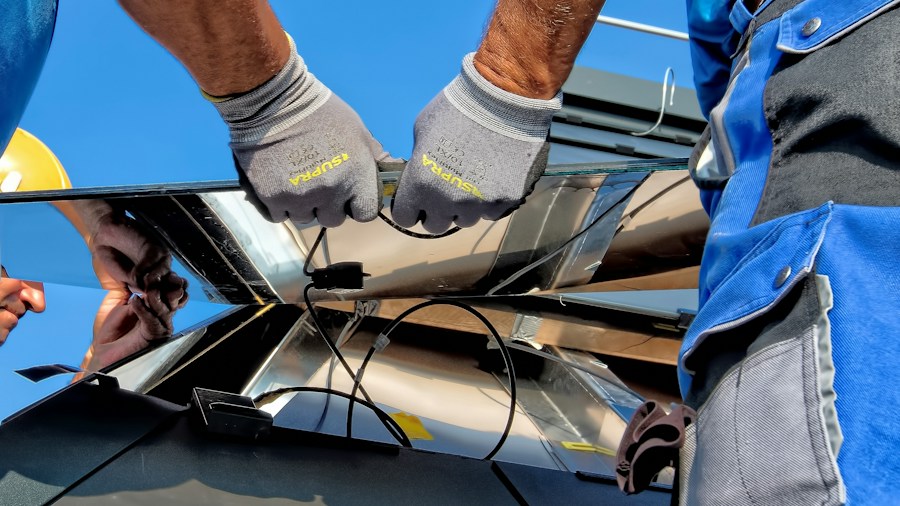
Installation flexibility has historically been a pain point for RV upgrades. This new unit addresses that concern with both ducted and ductless configuration options, allowing existing RVs with standard 14-by-14-inch rooftop openings to accommodate the upgrade without extensive modifications. For buyers considering aftermarket improvements, compatibility with current roof infrastructure dramatically simplifies the installation process.
The streamlined 11-inch rooftop profile reduces aerodynamic drag and wind resistance, which indirectly benefits fuel economy on larger RVs and reduces buffeting during highway travel. Every inch matters when it comes to RV weight distribution and handling, so a compact climate solution is inherently preferable to bulkier alternatives.
Additional capabilities include optional smart controls that let owners adjust temperature settings from their mobile device, R-32 refrigerant for improved efficiency, and a two-year parts warranty that protects buyers against early component failure. These warranty provisions become increasingly important as RV travel gains popularity across diverse climate zones and seasons.
What This Means for RV Shoppers

For new RV buyers, this option represents the opportunity to specify a premium climate control upgrade during the purchase process. Rather than settling for basic air conditioning, consumers can now request inverter heat pump technology that delivers year-round comfort while conserving energy. This translates to lower operating costs and fewer limitations on when and where you can comfortably camp.
Buyers of used RVs should also recognize that aftermarket installation is straightforward, making it an accessible upgrade even for older coaches. If your current RV has inadequate heating or cooling, or if you want to extend your camping season without increased fuel consumption, this represents a genuine solution rather than a compromise.
The dual heating and cooling capability is particularly valuable for owners who currently rely on separate systems. Consolidating climate control into one unit simplifies maintenance, reduces potential failure points, and streamlines roof penetrations. As RV travel expands to new destinations and seasons, having reliable temperature management becomes essential rather than optional.
Long Term Considerations
Energy efficiency translates directly to cost savings over the lifespan of your RV. Lower power consumption means you can travel longer between generator refueling or battery recharging, reducing operational expenses and environmental impact. For buyers planning extended trips or full-time RV living, these efficiency gains compound significantly.
The warranty coverage and smart control features indicate that manufacturers are investing in reliability and user experience. This signals a broader industry trend toward treating RVs as permanent residences rather than occasional getaway vehicles, which is reshaping expectations for comfort, convenience, and performance standards.
Whether you are purchasing a new RV or considering upgrades for your current vehicle, advanced climate control technology is now a realistic option worth evaluating. The combination of quiet operation, energy efficiency, flexible installation, and comprehensive warranty makes this an attractive solution for buyers serious about year-round comfort.







Write Your Review
No reviews yet. Be the first to share your experience!