

Tesla Virtual Power Plants Are Reshaping How America Powers Homes
Tesla’s virtual power plant technology is quietly transforming the energy landscape across the United States. A virtual power plant, or VPP, brings together homeowners who own solar panels, battery storage systems, and electric vehicles into a coordinated network that supports the electrical grid during peak demand periods. Rather than relying solely on traditional power plants, these decentralized energy systems can supply electricity back to the grid when it’s needed most, creating a more resilient and sustainable energy supply.
For consumers, understanding how VPPs work and where they operate is increasingly relevant as the technology expands into more states and neighborhoods. As of late 2025, Tesla operates active or pilot VPP programs across more than a dozen U.S. states, including Arizona, California, Connecticut, Florida, Massachusetts, New York, both Carolinas, Texas, Utah, and Puerto Rico. International programs are also underway in Australia and the United Kingdom, signaling the global demand for this technology.
How Virtual Power Plants Benefit Homeowners and the Grid

The core appeal of virtual power plants lies in their dual benefits: environmental improvement and economic savings. By replacing traditional peaker power plants that burn fossil fuels during times of high electricity demand, VPPs deliver cleaner energy to the grid without the pollution associated with conventional generation. This shift toward decarbonization aligns with state-level emissions mandates and growing consumer demand for sustainable energy solutions.
From a financial perspective, VPPs reduce the need for utilities to construct expensive new grid infrastructure. By leveraging existing home batteries, solar systems, and EV charging equipment, utilities can meet rising demand without massive capital expenditures, which translates to lower electricity rates for all customers. In 2024 alone, Tesla paid Powerwall owners approximately 9.9 million dollars for electricity provided through its VPP network, demonstrating real economic returns for participating homeowners.
Demand for electricity in the U.S. is projected to rise by 25 percent over the next five years and potentially 78 percent by 2050. Virtual power plants are positioned to help meet a significant portion of this growth. Industry projections suggest VPPs could supply more than 20 percent of U.S. electricity demand by 2030, making them a critical component of the nation’s energy future. This expansion could keep electricity rates stable even as consumption increases dramatically.
What’s Driving VPP Growth Right Now
Tesla’s comprehensive ecosystem of solar panels, home energy storage solutions, and electric vehicles positions the company at the forefront of VPP adoption. The software controlling Tesla’s networks automatically manages when electricity is drawn from or supplied to the grid, optimizing performance without requiring manual intervention from homeowners.
Legislative momentum is accelerating deployment across the country. As of mid-2026, eight states have either mandated VPP programs or passed active legislation requiring utilities to integrate them into their operations. California’s VPP system now covers most of the state, representing the largest coordinated network of its kind in the nation. This regulatory support removes barriers to expansion and encourages utilities to embrace the technology.
Challenges Slowing VPP Expansion
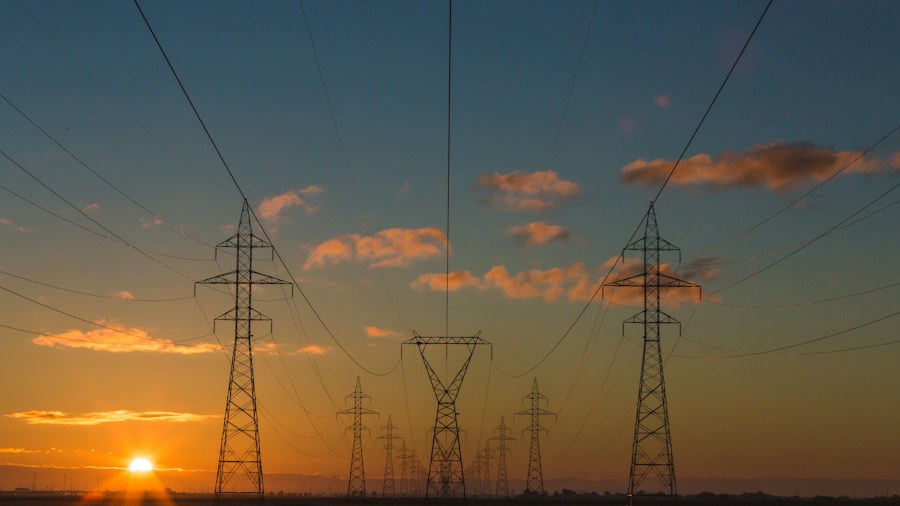
Despite their potential, virtual power plants face resistance from some utilities and regulators who remain skeptical of decentralized energy sources outside their direct control. Many current VPP deployments focus primarily on peak demand relief rather than serving as continuous baseline power supplies, limiting their perceived value to grid operators accustomed to traditional centralized generation.
Competition for grid capacity is intensifying from unexpected sources. Data centers supporting artificial intelligence systems are consuming enormous amounts of electricity, while extreme weather events driven by climate change are pushing heating and cooling demands to historic highs. Aging fossil fuel power plants are becoming increasingly expensive to maintain and operate. In this environment, utilities must balance investment priorities, and some remain hesitant about betting on distributed energy resources they don’t own.
What Comes Next for Shoppers
For homeowners considering solar, battery storage, or electric vehicle investments, VPP participation offers an additional revenue stream beyond energy bill savings. The technology is proven, expanding rapidly, and increasingly backed by state legislation. As more utilities recognize the value of virtual power plants in managing future demand, participation incentives are likely to improve.
The transition to distributed energy systems represents one of the most significant shifts in how America generates and consumes electricity. Virtual power plants aren’t just about cleaner energy anymore, they’re about building a smarter, more flexible grid that can handle the challenges ahead without massive rate increases for consumers.










Write Your Review
No reviews yet. Be the first to share your experience!