

A Critical Safety Feature Reaches Only Some Tesla Owners
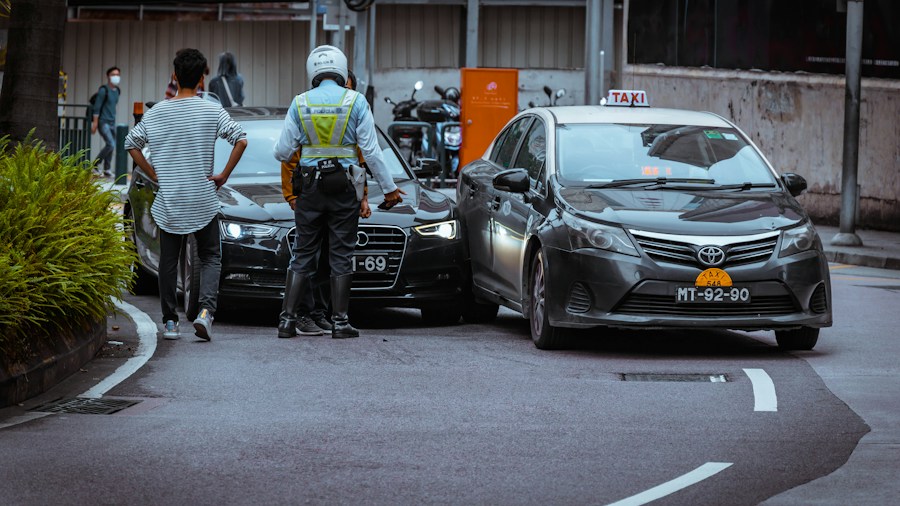
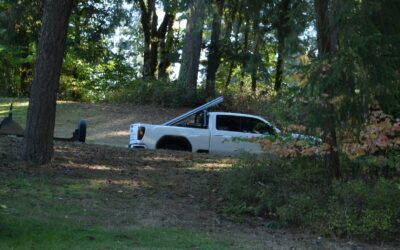
Tesla has introduced Automatic Collision Evasion, a new safety system designed to activate Full Self-Driving autonomously when the vehicle detects an imminent collision threat. The feature takes evasive action without requiring the driver to engage the system manually, potentially preventing accidents in split-second scenarios where human reaction time might not be fast enough. In one documented case, the technology successfully steered a vehicle away from a pickup truck that pulled into traffic unexpectedly, likely preventing a serious accident.
However, a significant accessibility gap has emerged. Only Tesla owners who pay the $99 monthly subscription for Full Self-Driving V14 and have the system actively enabled can access this potentially lifesaving feature. This creates a troubling situation: roughly 85 percent of all Tesla customers lack access to Automatic Collision Evasion, leaving millions of vehicle owners without this safety layer.
The Numbers Tell a Stark Story
Tesla has sold approximately 5 million vehicles since mid-2023, when the company began equipping cars with the hardware required to run FSD V14. If 85 percent of those owners are not paying for the monthly subscription, that translates to over 4 million Tesla customers driving without Automatic Collision Evasion. The feature only operates on vehicles with Hardware 4 built after mid-2023, meaning older Tesla models cannot access it at all regardless of subscription status.
The qualification requirements are restrictive. Owners must have actively purchased the FSD V14 subscription, kept it active with recurring $99 monthly payments, and manually enabled it in their vehicle’s settings menu. Even then, the feature only functions when the system is switched on, though it can operate in the background even if the driver is not actively using Full Self-Driving for navigation or other tasks.
Functionality Beyond the Paywall
One silver lining exists for subscribers: Automatic Collision Evasion operates automatically for those with active subscriptions, even if they are not regularly using Full Self-Driving for normal driving. This addresses a real-world gap where owners might purchase FSD but rarely engage it for daily use. The collision avoidance system stands ready during their entire journey, ready to respond if danger emerges.
Simultaneously, Tesla has removed automatic lane assist from vehicles owned by non-subscribers. This standard safety feature, which has been available across Tesla’s lineup since 2012 and remains standard on competitor vehicles from manufacturers like Toyota and Nissan, is now exclusive to FSD subscribers. The shift signals Tesla’s strategy of using basic safety functionality as a financial incentive to drive subscription adoption.
What This Means for Your Purchase Decision
For potential buyers and current owners, the implications are significant. If you own a newer Tesla or are considering purchasing one, understand that many advertised safety features now carry ongoing subscription costs. Tesla VPP Expansion Reshapes Energy Grid Nationwide highlights how the brand continues expanding premium services, but core safety functions merit separate consideration.
The company frames Full Self-Driving as advanced technology deserving premium pricing, and development costs have indeed been substantial. Tesla has invested billions creating and refining the system, far exceeding the resources required for other safety innovations. Yet this financial reality stands in contrast to historical precedent: when Volvo engineer Nils Bohlin invented the three-point seatbelt in 1959, the company immediately made the patent available free to all manufacturers because of its life-saving potential.
The Pricing Problem Moving Forward
Tesla could theoretically incorporate a one-time $500 safety fee into purchase prices, covering Full Self-Driving access for all new owners while allowing the company to recoup development costs. Current owners with qualifying hardware could gain access to Automatic Collision Evasion without monthly charges. Instead, Tesla appears to be tightening its approach by removing previously standard features to incentivize subscription upgrades.
The situation grows more complex as Tesla Roadster Owners Get Autonomous Stunt Capability Coming Soon and other premium features enter development. Musk has repeatedly stated that Full Self-Driving pricing will increase substantially once the system achieves Level 5 autonomy, the milestone where vehicles drive completely independently. Long-term owners worry they may face progressively higher subscription costs.
Before buying a Tesla, carefully evaluate whether you are willing to commit to the $99 monthly FSD subscription to access safety features standard on competitors’ vehicles. For existing owners deciding whether to subscribe, the Automatic Collision Evasion feature provides tangible value in critical moments, though its restriction to paying subscribers remains ethically complicated.



Write Your Review
No reviews yet. Be the first to share your experience!