

Ford has made a significant strategic shift with the launch of Ford Energy, a new subsidiary designed to manufacture grid-scale battery storage solutions. As electric vehicle demand has softened, the automaker pivoted to capitalize on the rapidly growing market for energy storage systems, and early results suggest the bet is paying off.
Major Capacity Already Committed Through 2028
Ford Energy announced that it has already secured contracts and completed late-stage negotiations covering more than 80 percent of its production capacity through 2028. This level of commitment from customers before the facility has even begun production demonstrates robust market demand for domestically manufactured battery storage units.
The company expects to start production in late 2027 at its gigafactory in Glendale, Kentucky, with an initial annual capacity of approximately 20 gigawatt-hours. Ford Energy President Dave Carroll stated that the company is building relationships across multiple customer segments, including solar providers, grid support operators, and data center service companies. “These customers need a domestic partner with the manufacturing scale and staying power to support them throughout the product’s life,” Carroll noted.
The fact that Ford is already filling capacity slots for 2029 and 2030 further reinforces confidence in the long-term viability of this business unit. This forward-looking demand speaks to broader trends in the American energy market, where grid reliability and renewable energy integration remain top priorities for utilities and private operators alike.
What This Means for Consumers and Investors
For buyers considering Ford vehicles, Ford Energy’s success signals that the company is diversifying beyond traditional automotive sales. This move strengthens Ford’s financial foundation and positions the manufacturer as a player in the energy transition, not just vehicle electrification. A stronger, more profitable Ford translates to better resources for vehicle development, safety improvements, and warranty support for current and future customers.
Ford’s investment in domestic battery production also aligns with federal policy priorities and American manufacturing growth. By building these storage systems in the United States, Ford supports local jobs and reduces dependence on foreign suppliers. Ford’s strategic expansion into energy storage complements its broader push into motorsports and advanced vehicle technologies, signaling a company investing aggressively across multiple revenue streams.
Technical Progress and Future Expansion
The Glendale facility has met every operational milestone to date. The team recently completed trial production runs for electrode mixing, the foundational step in manufacturing prismatic lithium iron phosphate (LFP) battery cells. Ford is using the same manufacturing process proven at its BlueOval Battery Park facility in Michigan, which supplies batteries for electric vehicles.
Ford Energy currently offers the FE-250 and FE-450 DC block battery storage systems. However, the company is actively exploring capabilities beyond these initial products. Carroll explained that these DC blocks serve as a practical foundation upon which Ford Energy can build broader technical capabilities and product offerings in coming years.
Industry Context and Competitive Landscape
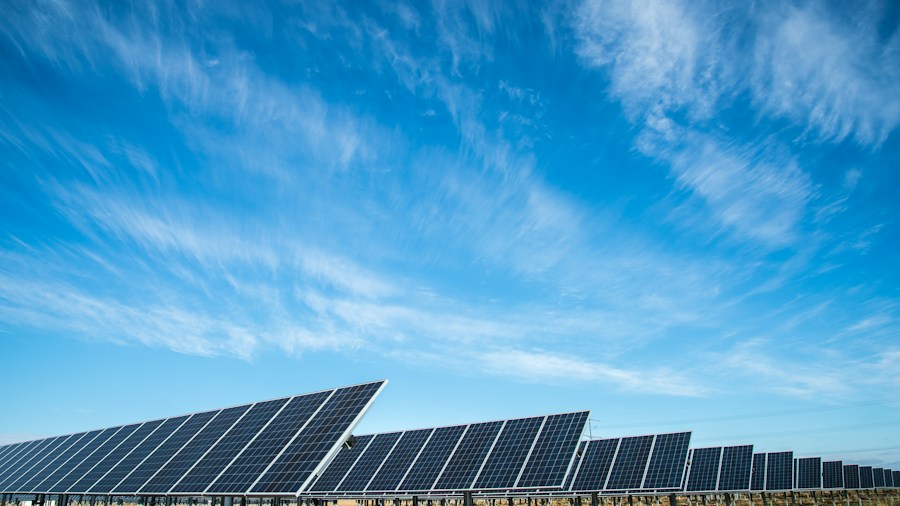
Ford Energy’s rapid booking of production capacity reflects broader industry trends. Energy storage demand is surging as the grid becomes increasingly renewable-heavy, and businesses require reliable backup power solutions. Unlike consumer electric vehicles, which face cyclical demand pressures, grid-scale battery storage addresses a structural need that continues to grow.
The subscription of 80 percent of 2028 capacity before production begins is remarkable. Ford’s diversification into energy solutions demonstrates that the company learned from the EV market’s recent softening and is hedging its bets strategically. By entering a complementary market with proven demand, Ford reduces its exposure to any single sector’s volatility.
Timeline and Next Steps
Ford Energy expects to commit its entire 2028 capacity by the first quarter of next year. The company’s leadership is confident in reaching this goal given current negotiation momentum. With production beginning in late 2027, customers can expect initial deliveries of grid-scale battery storage systems shortly thereafter.
For Ford shareholders and supporters, this business unit represents a hedge against long-term shifts in the automotive market. For consumers, it means Ford is investing in infrastructure that will support the broader energy transition, creating a more sustainable ecosystem for electric vehicle ownership and renewable energy adoption across America.











Write Your Review
No reviews yet. Be the first to share your experience!