

The off-road and classic car market is experiencing a seismic shift. What began as a niche business restoring vintage 1960s and 1970s Broncos for wealthy clients has evolved into an entirely new category: vehicles that blend classic styling with modern engineering, safety, and reliability. This transformation reveals something surprising about luxury buyers and what they actually want versus what they think they want.
The Reality Behind the Classic Car Dream
For decades, the fantasy of owning a classic Bronco has captivated American buyers. The appeal is straightforward: timeless design, rugged functionality, and unmistakable aesthetic charm. However, the gap between fantasy and reality is substantial. Classic vehicles come with the problems of their era: unreliable engines, poor braking systems, uncomfortable interiors, and pervasive smells that linger in clothing and hair. For families and high-profile owners who have substantial assets to protect, these shortcomings became dealbreakers.
A pivotal moment occurred when a legendary athlete received a traditionally restored Bronco as a custom build. The builder realized that if the most famous person in the world got injured in that vehicle, the liability and personal responsibility would be catastrophic. This recognition sparked a fundamental question: why not build a completely new vehicle that looks and feels like a classic while delivering the comfort, safety, and dependability of a modern car?
Enter the Modern-Era Classic Inspired Vehicle
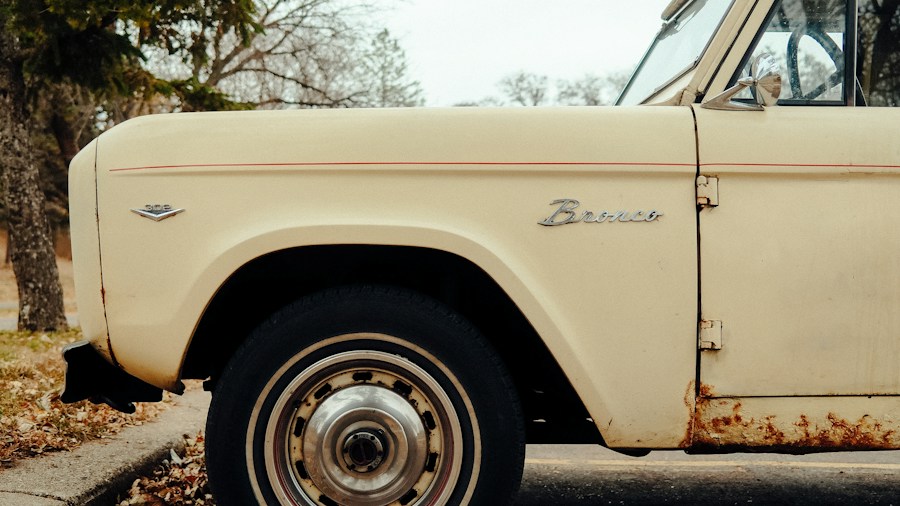
This business pivot represents a radical departure from traditional restoration. Rather than take old Broncos apart and modernize them piece by piece, the new approach starts with a modern chassis, engine, and internal systems, then wraps them in an all-new steel body designed to evoke the classic Bronco aesthetic. The result is what industry experts now call a reverse restomod: modern car technology wearing vintage styling.
The conversion is far more complex than simply swapping body panels. Modern vehicles are wider, longer, and taller than their predecessors for critical reasons. Safety regulations dictate specific roof heights, hood proportions, and crumple zones designed to protect occupants during collisions. Creating a classic silhouette while maintaining these safety structures requires precision engineering. Every body panel is stamped from new American-made steel, and the internal chassis structure never gets modified, preserving the vehicle’s crash protection integrity.
Safety Standards Set This Apart
What distinguishes this business model is an unwavering commitment to federal compliance and real-world safety testing. Unlike many custom shops, this company pursued Federal Motor Vehicle Safety Standards (FMVSS) certification and conducted actual crash tests with instrumented dummies. Front, side, and rear impacts were tested, and remarkably, some results exceeded OEM specifications. This required destroying multiple vehicles during testing, a financially painful but philosophically essential step.
Every vehicle that leaves the factory carries an FMVSS compliance label inside the door jam, signaling that these aren’t just artistic builds but genuine, safety-certified vehicles. For buyers with families, young children, and spouses concerned about occupant protection, this distinction is paramount. Modern airbag systems, crumple zones, structural rigidity, and braking performance cannot be replicated in a true classic car, regardless of restoration skill.
What This Means for Today’s Bronco Buyer
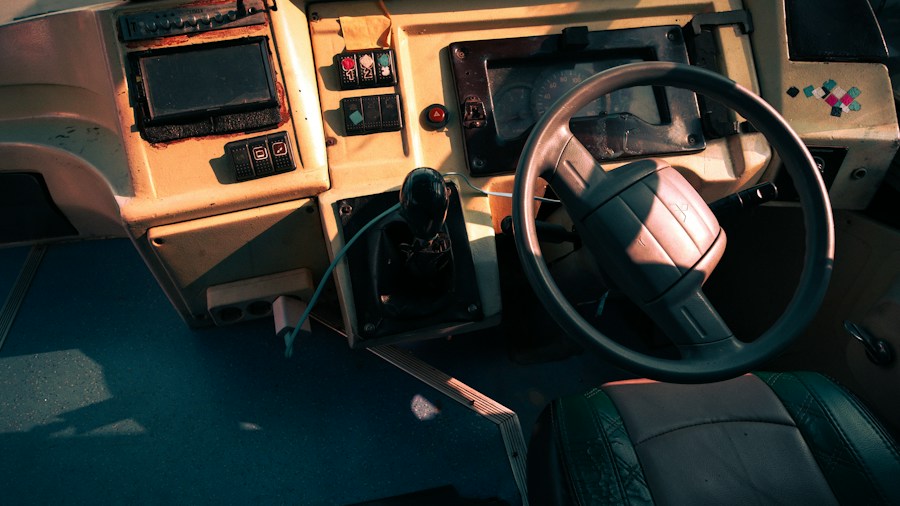
The rise of modern-classic-inspired vehicles exposes an uncomfortable truth: most people who say they want a classic car actually want the look without the compromises. Real classic ownership means accepting unreliability, frequent breakdowns, poor weather protection, and genuine safety risks. Traditional restomods get closer to solving this problem by modernizing old vehicles, but they still inherit structural limitations from their era.
For Bronco enthusiasts specifically, this trend has major implications. Modern Bronco concepts continue to demonstrate how modern engineering can deliver both retro styling and contemporary performance, signaling that the market appetite for classic-inspired vehicles remains robust. Buyers who have always dreamed of owning a classic Bronco but feared reliability issues or safety concerns now have a viable alternative that didn’t exist five years ago.
The business model has scaled remarkably quickly. What started as a restoration shop evolved into a structured factory operation with standard operating procedures, torque specifications for every fastener, and millimeter-precise gap tolerances. Social media following exploded to millions of engaged followers, validating that demand exists far beyond celebrity clientele. Today’s buyer base includes families, mothers who want to drive the vehicle daily on freeways, and everyday enthusiasts willing to invest in quality over originality.
The Future of Off-Road Nostalgia
Competitors like Jeep are taking note, with independent suspension innovations aimed at matching modern Bronco capability, indicating the broader market is watching this category transformation. The traditional debate between collectors seeking numbers-matching originality and practical owners seeking reliable daily drivers has been reframed entirely. A third path now exists: vehicles that satisfy both the heart and the head, the aesthetic and the practical.
This evolution means that future Bronco buyers have more options than ever. Whether choosing a true classic, a traditional restomod, or a modern vehicle dressed in classic clothing, the market now clearly distinguishes between these categories and their respective tradeoffs. The choice is no longer limited to accepting vintage nostalgia’s inconveniences as unavoidable.





Write Your Review
No reviews yet. Be the first to share your experience!