

What Happened
Jeep leadership surprised the automotive world at the SEMA show in Las Vegas by unveiling the Wrangler Scrambler SRT Concept, which features independent front suspension technology. During the announcement, Tim Kuniskis, head of American Brands for Stellantis, posed a critical question to attendees: should this advanced suspension system remain exclusive to the high-performance SRT variant, or should it become available as an option across the entire Wrangler lineup?
Kuniskis emphasized that offering both solid front axle and independent front suspension would allow Wrangler owners to choose their preferred off-road experience. The Scrambler SRT Concept, developed in partnership with off-road racing champion Casey Currie, features 2.5-inch diameter Fox shocks designed for high-speed desert driving while maintaining traditional rock-crawling capabilities. This concept was tested extensively in a custom Gladiator that achieved a class victory in the NORA 500 racing competition.
The Scrambler SRT is scheduled to arrive by 2030 as part of Stellantis’ broader product expansion plan that includes 60 new vehicles and 50 refreshes over the next several years. All these vehicles would be manufactured at the Toledo Assembly Complex in Ohio, which currently produces the Wrangler, Gladiator, and the upcoming Ram Dakota.
Why This Matters for Shoppers
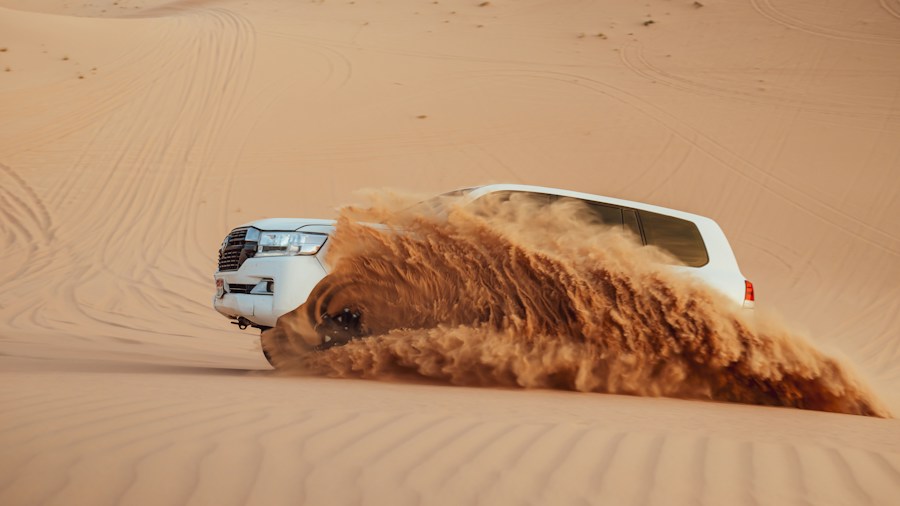
For decades, the solid front axle has been the Wrangler’s defining characteristic, something enthusiasts proudly defended as essential for true off-road capability. However, the Bronco has steadily chipped away at Wrangler sales, largely because its independent front suspension provides superior on-road handling and comfort. Buyers seeking a vehicle that performs well both on pavement and trails have increasingly chosen the Ford competitor.
If Jeep decides to offer independent front suspension as an option, it would address one of the primary reasons shoppers have switched to the Bronco. This move could significantly expand the Wrangler’s appeal beyond hardcore off-road enthusiasts to include mainstream consumers who want versatility without sacrificing daily drivability. The suspension choice would essentially allow buyers to configure their Wrangler based on their specific priorities, whether that means prioritizing highway comfort or rock-crawling performance.
Kuniskis’ public questioning of whether to expand this technology suggests the decision hinges on customer feedback. Industry analysts view this approach as a calculated move to gauge market interest before committing to production changes. Given that the lower-volume Scrambler SRT will carry much of the development cost, spreading that expense across additional models and trim levels makes strong business sense. Meanwhile, Ford continues to enhance its Bronco lineup with new capability packages, keeping competitive pressure high.
What Buyers Should Expect
The fact that leadership publicly posed this question strongly suggests independent front suspension is already in development for broader application. Companies rarely float major feature announcements without solid plans backing them up. The next two to three years will likely bring clarity as Stellantis processes customer input and finalizes production decisions.
Potential Wrangler and Gladiator buyers should monitor announcements carefully. If you prioritize on-road comfort and highway performance, an independent front suspension option could make these vehicles far more appealing. Conversely, traditional off-road purists who value the simplicity and proven rock-crawling credentials of solid axles can likely still specify that configuration if they choose.
The Ram Dakota, which shares Gladiator underpinnings, could also benefit from this technology, expanding independent suspension availability across Stellantis’ off-road portfolio. As government agencies and fleet operators continue selecting Broncos for their proven performance, the pressure on Jeep to innovate remains substantial.
For consumers weighing their options between Jeep and Ford vehicles, the next few years will bring meaningful changes. If Jeep successfully integrates independent suspension while maintaining traditional off-road capabilities, it could reclaim market share and offer buyers genuine choice rather than forcing them toward the Bronco. Shoppers considering a purchase should stay informed about these developments, as they will directly affect vehicle performance, comfort, and value propositions across multiple segments.







Write Your Review
No reviews yet. Be the first to share your experience!