

Carbon monoxide is an invisible and odorless threat that can build up quickly inside an RV. Unlike other safety concerns you can see or smell, CO poisoning can catch you and your family completely off guard because your body cannot sense it. Understanding where carbon monoxide comes from in your RV and how to protect yourself is critical for safe camping and travel.
Understand Which RV Appliances and Systems Produce Carbon Monoxide
Several fuel-burning systems in your RV generate carbon monoxide during normal operation. Your furnace, stove, oven, propane water heater, absorption refrigerator, and any generator or engine all produce CO when fuel burns. The risk isn’t that these appliances exist, but rather whether combustion gases escape into your living space or enter from outside. A furnace that vents properly keeps gases outside, while an unvented propane heater intentionally releases fumes into the RV, making it higher risk.
Keep All Exterior Vents and Intake Openings Clear
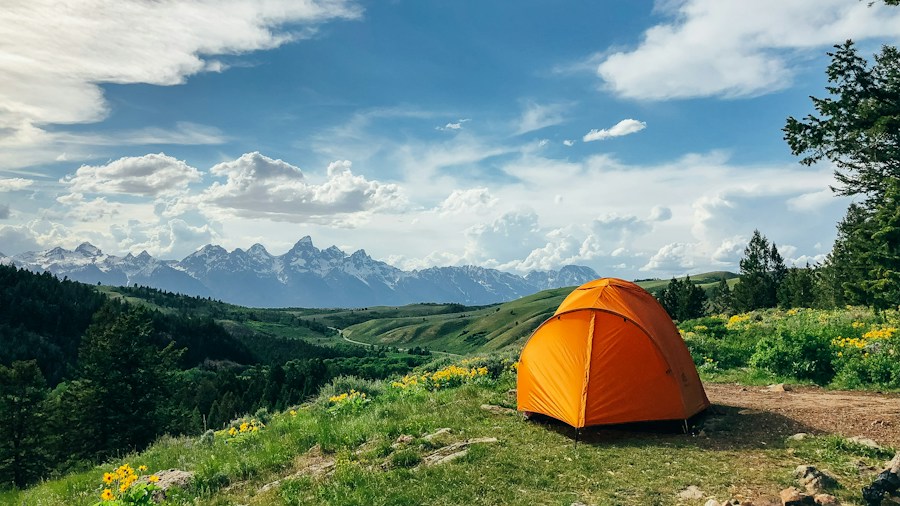
Blocked vents are one of the most common reasons CO accumulates inside an RV. Check that your furnace intake and exhaust vents are free from debris, soot, and damage before every trip. The same applies to propane water heaters and refrigerators designed to vent outside. During camping, reassess your surroundings regularly, especially if weather changes or neighboring RVs start their generators. Wind direction and nearby equipment can shift where exhaust travels toward your rig.
Position Portable Generators at Least 20 Feet Away
Generator exhaust is a major CO source that many RVers underestimate. Keep any portable generator at least 20 feet away from your RV’s doors, windows, and vents. Direct the exhaust away from occupied areas, and never run a generator inside an enclosed space or carport. Remember that millions of RVers heading out this holiday season will be using generators in campgrounds, so pay attention to where neighboring generators are positioned and their exhaust direction as well.
Never Idle Your Vehicle in Enclosed or Sheltered Spaces
Your RV’s engine produces carbon monoxide just like any vehicle. Never idle your motorhome in a carport, under a cover, or in an enclosed location where exhaust can accumulate and seep into the living space. When parked near other occupied RVs, check where your tailpipe directs exhaust and be mindful of how close you are to their vents and windows.
Use Unvented Propane Heaters Only According to Manufacturer Guidelines
If your RV uses an unvented propane heater for supplemental warmth, follow the model’s specific requirements precisely. Never run it while sleeping or while you’re away from the RV. Ensure adequate ventilation is maintained, and never use your stove, oven, or any other appliance as a heating solution. Keep outdoor grills and camp stoves outside at all times.
Install and Maintain a Working Carbon Monoxide Alarm
A functioning CO alarm is your first line of defense. Purchase an RV-specific model, not just any household carbon monoxide detector, and verify it detects both carbon monoxide and propane if you want combination protection. Follow the manufacturer’s mounting instructions exactly, as placement varies by model. Keep the alarm uncovered by furniture or stored items so it can function properly.
Test your alarm before each trip and after storage, and always keep it powered when your RV is occupied. Check the replacement date on the sensor, as these have limited service lives and must be replaced according to the label instructions, even if the test button still works. Learn the different sounds your alarm makes for CO warnings, low battery alerts, and end-of-life signals, and keep the instruction manual nearby for reference.
Know What to Do if Your Alarm Sounds
Treat any CO alarm activation as an immediate emergency. Get everyone, including pets, outside into fresh air right away. Do not stay inside to investigate the source or try to locate the problem. Call 911 from outside and inform the dispatcher that your CO alarm has sounded and whether anyone is experiencing symptoms. Wait for emergency responders to clear your RV before reentering, and do not use any equipment that triggered the alarm until a qualified technician has inspected and corrected the issue.
When you make long-term boondocking trips in your RV, incorporate these CO safety steps into your regular camping routine. Schedule maintenance for your furnace, water heater, generator, and vehicle engine according to manufacturer recommendations, and always use qualified service professionals for combustion and exhaust work. Make carbon monoxide safety a shared responsibility by showing everyone in your RV where the alarm is located, explaining what to do if it sounds, and establishing a meeting spot outside the vehicle. By staying vigilant about these seven steps, you can significantly reduce the risk of carbon monoxide exposure and travel safely with confidence.











Write Your Review
No reviews yet. Be the first to share your experience!