

Extended boondocking trips without hookups are entirely feasible for RV owners willing to plan ahead and manage their resources carefully. Whether you’re considering weeks or months of off-grid camping, success depends on understanding your vehicle’s capacity and establishing routines that work for your specific rig and lifestyle.
The Reality of Long Term Boondocking
Long-term boondocking becomes possible when you have reliable methods to replenish fresh water, dispose of wastewater and gray water, keep house batteries charged, and refuel propane or generators as needed. The practical challenge isn’t whether you can do it, but how to make it work comfortably in your particular setup.
Tank capacity, daily habits, power consumption, and proximity to services all play crucial roles. Most successful boondockers start with shorter camping trips to establish what works before committing to extended stays of several weeks or months.
Understanding Location Rules and Restrictions
Where you camp directly affects how long you can stay. On Bureau of Land Management land, dispersed camping typically has a 14-day limit within any 28-day period, though specific rules vary by location. If you’re interested in a longer seasonal base, BLM’s Long-Term Visitor Areas in Arizona and California permit stays up to seven months during the September 15 through April 15 season, though facilities and requirements differ by site.
Before selecting a location, verify access conditions, nearby services like potable water sources and approved waste disposal, and whether the site will be manageable during expected weather conditions. Having a backup camping location selected before departure provides crucial flexibility when conditions change or a site is unavailable.
Managing Water and Waste Systems
Tracking your actual usage is the foundation of successful long-term boondocking. Keep records of daily water consumption, how quickly tanks fill, electricity use, and propane consumption under conditions you’ll experience. This real data reveals what forces you to return for services.
Gray tank capacity often becomes the limiting factor before fresh water runs out. A portable waste tote can reduce trips if you have suitable transport and dumping access. Remember that gray water and black water both require approved disposal sites, and local regulations often prohibit ground dumping entirely. Plan disposal trips before tanks reach capacity, leaving room for ongoing toilet and washing needs while preparing to leave.
Water conservation habits like shorter showers and wiping dishes before washing extend your fresh water supply significantly without sacrificing proper toilet flushing and tank operation.
Power Management and Battery Reality
Extended boondocking requires a sustainable charging system. List the equipment essential to your stay: refrigeration, lights, fans, water pumps, furnace blowers, and medical devices. Understand your house batteries’ usable capacity and daily consumption patterns.
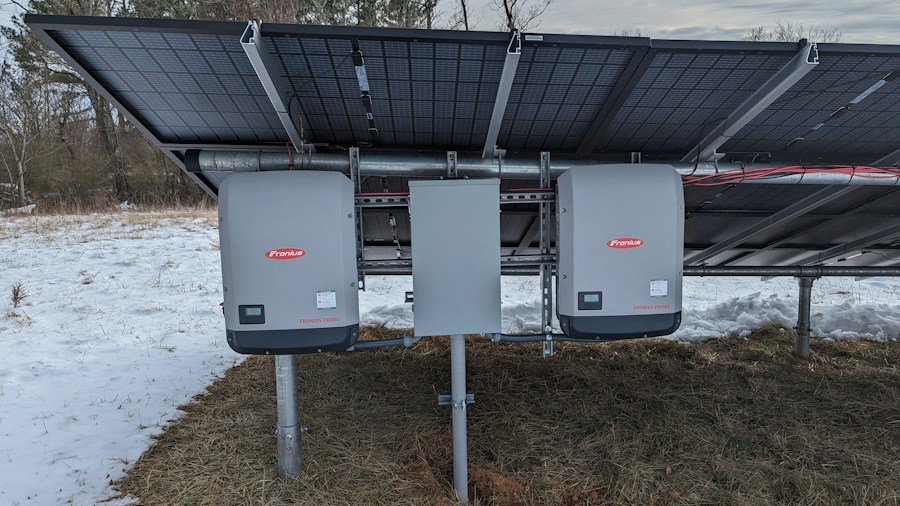
Solar panels provide the cleanest option but output varies with shading, cloud cover, season, and panel angle. Have a backup charging option available, whether a generator or earlier service stop, for when solar recovery falls short. An inverter determines which appliances can run on stored battery power, while usable capacity limits runtime between charges. Air conditioning and electric heating demand substantial energy, so assess those needs before committing to a location where you’ll depend on them long-term.
Battery technology continues advancing; newer lithium battery options now offer more affordable ways to expand power storage for extended trips.
Planning Resupply and Service Stops
Efficient route planning makes extended boondocking more economical. Combine dump station visits, water refills, fuel stops, and grocery shopping into single travel days rather than separate trips. Moving to a new campsite provides a natural opportunity to handle multiple errands simultaneously.
Budget for service trip fuel, dump fees, water refills, propane, laundry facilities, and occasional paid camping stays. Remote locations can become expensive if every errand requires lengthy driving. Keep maintenance on schedule since generator use and miles traveled bring service intervals around during extended trips. Digital logs help track service dates, hours, and repair history.
Essential Planning for People and Pets
Extended boondocking affects more than just your water and power systems. Arrange mail forwarding or package delivery before departure, locate laundry facilities you may need, and plan groceries around available storage space. If you depend on connectivity for work, verify actual service at your intended campsite.
For medical needs, work appointments, treatments, and prescription refills into your trip schedule and discuss extended remote stays with your healthcare provider. Keep veterinary records and pet medications accessible, plan for safe temperatures, and identify emergency veterinary services near your campsite.
Building Your Boondocking Routine
The best approach starts small. Shorter camping trips reveal what will send you back to town first and help you establish manageable routines before attempting weeks or months away. Each trip provides better information for planning the next one.
While RV market dynamics continue affecting purchase decisions, your choice of boondocking setup should reflect your actual needs rather than aspiration. Make improvements where they’ll help most, whether that’s adjusting habits, improving charging capacity, adding storage, or combining those approaches. Long-term boondocking becomes sustainable when your routine suits your rig, your daily needs, and the places you visit.







Write Your Review
No reviews yet. Be the first to share your experience!