

When you take your vehicle in for a tire change, you assume the shop will handle it correctly. However, improper tire mounting procedures can lead to expensive problems that leave you stranded or facing unexpected repair bills. One critical factor that shops often overlook is the use of proper lubrication during the mounting and demounting process. Understanding what should happen in the service bay helps you know whether your shop is following best practices.
Why Lubrication Matters During Tire Mounting
The tire bead, located inside the tire’s inner lip, contains a metal band that creates an airtight seal between the tire and the wheel rim. This seal is what allows your tire to hold air and function properly. During mounting and demounting, technicians apply pressure to move the tire bead along the wheel barrel. Without adequate lubrication, the bead can stretch, tear or become damaged, preventing the tire from sealing correctly.
Many tire damage issues trace back to insufficient or missing lubricant during the mounting process. When friction is too high, the bead rubs against the wheel instead of gliding smoothly. The result is internal damage that may not be immediately visible but will cause slow air leaks, vibration or complete failure down the road. Proper lubrication service is foundational to all vehicle maintenance, and tire work is no exception.
How Technicians Should Apply Mounting Lubricant
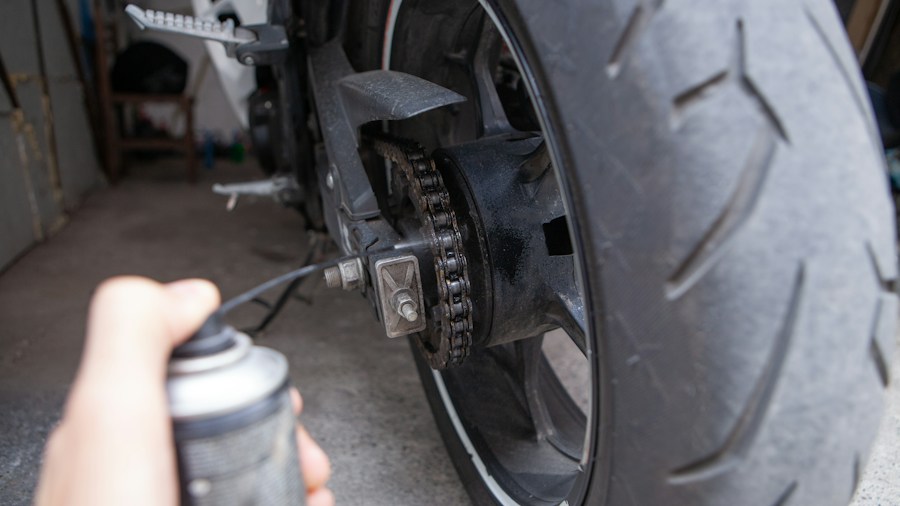
Professional shops use approved tire mounting lubricants that reduce friction without degrading rubber or affecting the wheel seal. A qualified technician applies this lubricant to the tire bead before mounting begins. The lubricant allows the bead to move smoothly as the tire changer equipment presses the tire onto the rim.
The specific technique matters too. Technicians must avoid applying pressure directly at the valve stem or tire pressure monitoring system (TPMS) sensor during the bead-breaking phase. Starting pressure application 90 to 180 degrees away from the valve stem prevents damage to these components. Damaging a TPMS sensor during a routine tire change can add hundreds of dollars to the customer’s bill and create an unnecessary comeback.
Common Bead Damage and How to Prevent It
Bead damage happens in two scenarios. First, it occurs when technicians use improper mounting procedures or skip lubrication steps. Second, it can exist before the tire even reaches the shop. Underinflated driving, curb rubs and off-road obstacles can damage the bead before service. Quality shops inspect the tire bead carefully before mounting to identify pre-existing damage and discuss it with customers.
After the bead seats on the wheel, technicians should fully deflate the tire before reinflating it to operating pressure. This deflation allows the bead to settle evenly on the wheel surface and helps ensure the tire is centered correctly. Skipping this step can leave the bead unevenly positioned, leading to vibration and premature wear.
What Shoppers Should Watch For

Ask your tire shop whether they use approved mounting lubricant and whether they follow equipment-specific procedures. Different tire changer designs, such as rim clamp versus pedestal models, require different mounting techniques. A professional shop will know their equipment and apply the right procedures.
If you notice vibration after a recent tire change, or if your tire loses air shortly after mounting, the bead may have been damaged during the service. Vibration can also indicate improper tire centering, which also stems from skipped deflation steps or rushed procedures. Return to the shop and explain the issue. A quality business will inspect the work and make it right.
The wheel itself must be clean before mounting. Dirt, rust or debris on the wheel surface prevents a proper seal between the tire and rim. This is why thorough wheel cleaning is part of a complete tire mounting procedure. Preventive maintenance practices that protect your vehicle’s systems start with attention to detail during basic service work like tire mounting.
Why This Matters for Your Bottom Line
Poor mounting practices create hidden costs. A damaged tire bead might seal initially but fail weeks or months later, leaving you with an unexpected flat tire or a shop visit that could have been avoided. Damaged TPMS sensors require replacement. Vibration from improper centering accelerates suspension wear and increases fuel consumption.
By choosing a shop that follows proper procedures, including the correct application of approved lubrication, you protect your investment and reduce the chance of premature tire failure. Quality tire mounting is not glamorous work, but it is essential work. The small details matter because they directly affect your safety and your wallet.











Write Your Review
No reviews yet. Be the first to share your experience!